Yoga education is the science responsible for unifying the mind, body, and soul. It is a science that dates back thousands of years and yet stands relevant today. Originating from ancient India, Yoga has been used as an alternative way of lifestyle attracting millions of Yogi Practitioners. Its universal appeal can be traced back to its basic principles. Let us discuss the basic principles of yoga.
Asana
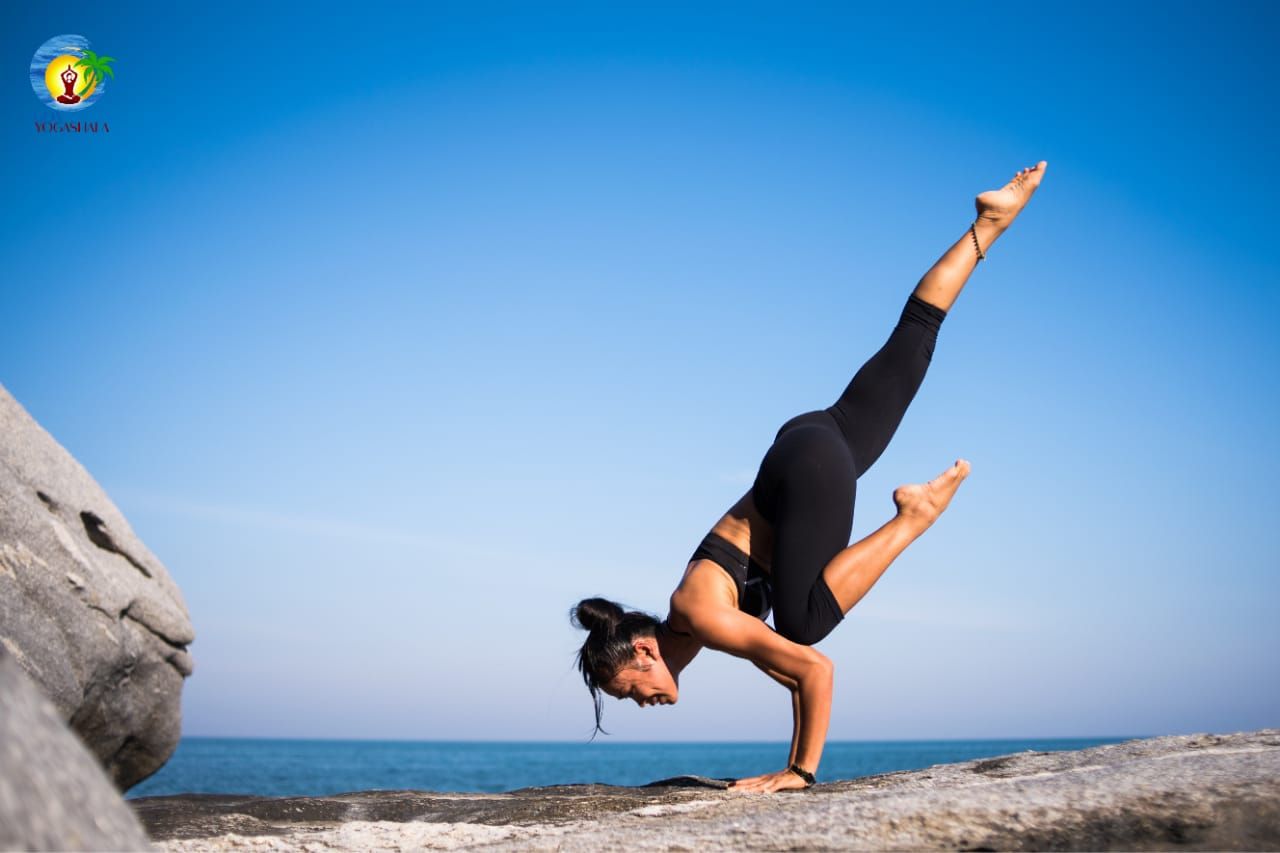
Asana refers to the artful posturing involved with yoga. The art of proper exercise has a ubiquitous appeal owing to its promise of both - mental and physical health, strength, and flexibility. Asanas aid in the improvement of circulation, the release of physical tension, the growth of flexibility, and the toning of the neurological system. It helps to calm and centre the mind, helping to relax tension.
Pranayama
Yoga delves into the intricacies involved with breathing. Inhaling helps to rejuvenate the body as well as the mind, helping them stay healthy. Exhaling drives the impurities of the body. In our fast-paced lives and increasing stress levels in the modern man breathing has become an ignored and inadequate involuntary action. This has led to toxic internal physiological systems. Pranayama is the art of deliberate breathing aimed at purifying the bodily systems and supplying adequate oxygen to the body. Pranayama revitalizes the body and mind by tapping into the potential energy stored in the solar plexus area.
Savasana
Savasana is the stage where you reach a state of total relaxation. This is crucial in the contemporary man who is constantly under the stress of a fast-paced world and high-performance requirements. Savasana provides a unique opportunity for attaining incomparable peace and tranquillity. It allows the body and mind to relax, rejuvenate and find the perfect harmonious rest that benefits the overall well-being of man.
The Yogic diet
The yogic diet is a simple wholesome plant-based diet that helps cleanse the human physiological system and has a healthy impact on the mind and body. The yogic diet is designed to ensure optimal nutrition. This blend of rich sources of sustenance and nutrition helps attune the inner vibration of one's mind with the demands of the human body in contemporary times.
Meditative mindset
Our bodies are propelled by our minds. To keep our body in top shape, we need a calm and stable mind. Positive thinking can help you purify your mind. Our impression of the world around us changes as we shift our concentration from negative to positive thoughts. We begin to perceive things in a more optimistic light, and unfavourable situations no longer have as much of an impact on us. When you practice meditation daily, it helps to keep the mind focused and clear, addressing all theaims and objectives of Yogic practices. The principles of yogic life are more than just exercise. It is an art of living that optimizes the quality of life and ensures holistic psychological and physiological health.
The methods of yoga practice are also crucial. Without proper methodology, the yogic principles cannot be utilized to their full potential. The methods of yoga practice are further elaborated on below.
Connects the mind and body
To ensure that one fully utilizes the benefits ofyoga practices, one has to fully commit to the process of yoga practice and be ready to fully. The focus should be on holistic development wherein the mind, body, and spirit are one.
Aligning the chakras
Chakras, according to yoga, are the centres of energy, ideas, feelings, and the physical body. Chakras try to moderate how we experience reality through emotional reactions, wants or aversions, levels of confidence or fear, and even bodily symptoms and repercussions, according to yogic teachings. The aim of yoga practice should be to align the seven chakras, namely - Sahasrara, Ajna, Vishuddha, Anahata, Manipura, Svadhishthana and Muladhara. The spiritual goal of yoga is to align each chakra and maximize the emotional capacity in the being of man.
Focused Yogic Types
There are different branches of yoga, each of which has a unique focus area.
· Hatha yoga is a physical and mental form of yoga that tries to prepare the body and mind for meditation.
· Raja yoga is a form that entails meditation and strict commitment to the eight limbs of yoga, which are a set of disciplinary actions.
· Karma yoga is a path of service aimed at creating a world free of negativity and selfishness.
· Bhakti yoga strives to develop a devotional path, a healthy approach to channel emotions and cultivate acceptance and tolerance.
· Jnana yoga is a branch of yoga that focuses on wisdom, the scholar's path, and intellectual development via study.
· Tantra yoga is the path of a relationship's ritual, ceremony, or culmination.
If you are a Yoga enthusiast, you should know about the outstanding Yogi techniques and the methods of yoga practices have been efficiently mentioned above. Go through the basic principles of yoga to understand the concept of yoga with a wider perspective.
For more information: yoga teacher training in Goa