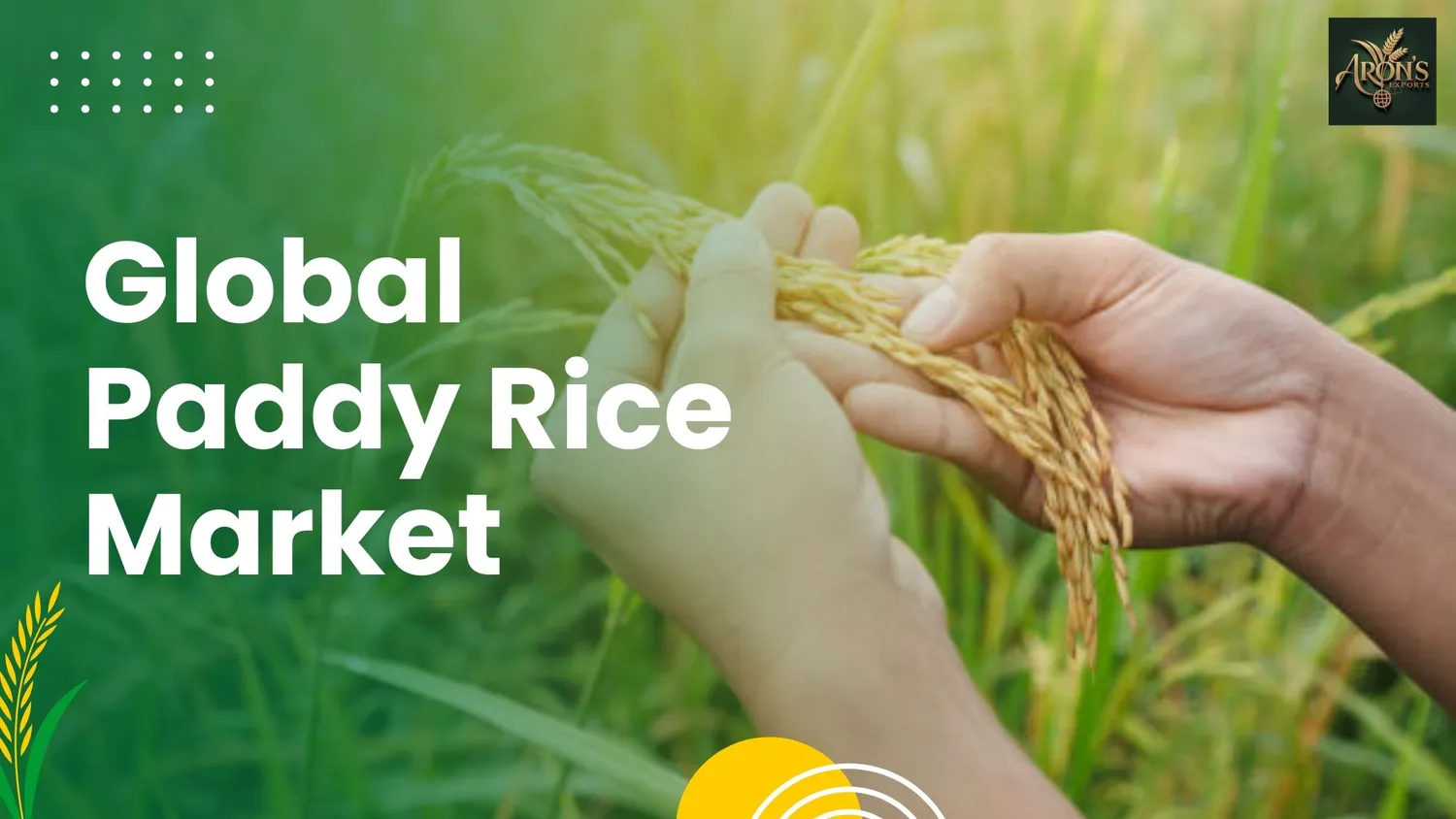
The global paddy rice market has always been a cornerstone of the agricultural sector, providing food security and driving economies across Asia, Africa, South America, and beyond. As we step into 2025, the market is experiencing unprecedented transformation fueled by population growth, technological advancement, climate change adaptation, and evolving consumer preferences. From farmers and exporters to importers and wholesale buyers, every stakeholder is impacted by these shifts, making it essential to understand the key growth drivers, demand patterns, and opportunities in this vital sector.
Rising Global Demand for Paddy Rice
Rice is the staple diet for nearly half the world’s population, particularly in Asia, Africa, and Latin America. The United Nations projects the global population to cross 8.5 billion by 2030, and this growth is directly tied to the increasing demand for rice. In 2025, the global paddy rice market continues to expand as urbanization drives more processed rice consumption and middle-class families seek higher-quality grains.
Countries like India, China, Indonesia, and Bangladesh remain leading consumers, but rising demand in Africa and the Middle East highlights the market’s global reach. For exporters, this creates new opportunities to supply premium and specialty rice varieties to regions where local production cannot keep pace with consumption.
Production Trends Shaping the Market
The supply side of the global paddy rice market is equally dynamic. Asia dominates production, with China and India together accounting for more than half of the world’s rice output. However, other countries like Vietnam, Thailand, Guyana, and the United States are making significant contributions to the export market.
Technological advancements in irrigation systems, high-yield hybrid seeds, and mechanized farming have helped increase productivity per hectare. Yet, the industry also faces challenges from climate change, such as droughts, floods, and unpredictable weather patterns, which often disrupt production cycles. In 2025, sustainability practices like water conservation, organic farming, and eco-friendly cultivation methods are becoming central to market growth.
Export and Import Dynamics
The international rice trade is a critical element of the global supply chain. Key exporters such as India, Thailand, Vietnam, and Pakistan dominate the trade, while countries like Nigeria, Iran, and the Philippines are among the largest importers.
In 2025, new trade routes, tariff adjustments, and government policies are reshaping export and import dynamics. The shift toward free trade agreements and digital platforms for rice trading is making it easier for suppliers and buyers to connect globally. Companies like Aron Baijnauth are playing a significant role in bridging the gap between high-quality rice producers and international buyers.
Opportunities in the Global Market
The global paddy rice market offers diverse opportunities for investors, exporters, and suppliers. Some of the most promising areas include:
1. Specialty Rice Varieties
Health-conscious consumers are driving demand for organic rice, long-grain aromatic rice, and fortified rice enriched with nutrients. Exporters who diversify into these segments can tap into premium pricing.
2. Bulk Wholesale Supply
Wholesale buyers in regions like Africa and the Middle East are seeking reliable supply chains to meet growing demand. Building long-term partnerships with these markets ensures consistent business growth.
3. Technological Integration
Digital trading platforms, blockchain-based traceability systems, and AI-driven supply chain management tools are transforming the way rice is bought and sold globally. Companies adopting these innovations are gaining a competitive edge.
4. Sustainable Practices
As global consumers become more environmentally conscious, exporters who focus on sustainable production, reduced water usage, and eco-friendly packaging are likely to find greater acceptance in international markets.
Challenges Facing the Market
Despite its growth potential, the global paddy rice market faces challenges that require proactive solutions. These include:
- Climate Impact: Erratic weather patterns and natural disasters disrupt harvests.
- Trade Policies: Tariffs, restrictions, and trade disputes can hinder cross-border supply.
- Quality Control: Maintaining consistent quality standards across international markets is a growing challenge for suppliers.
- Logistics Costs: Rising fuel prices and shipping delays add pressure to supply chain efficiency.
Addressing these challenges requires collaboration between governments, exporters, and private companies to create more resilient trade networks.
Future Outlook for 2025 and Beyond
The outlook for the global paddy rice market in 2025 is highly optimistic. With rising population and evolving consumer needs, demand for rice will only continue to grow. Exporters who adapt to sustainability standards, embrace digital platforms, and diversify their offerings will find significant growth opportunities.
Additionally, innovation in rice processing—such as parboiled, fortified, and ready-to-cook rice—opens new markets among urban consumers who prioritize convenience without compromising nutrition. Governments are also expected to increase support for rice farmers and exporters through subsidies, trade agreements, and agricultural technology investments.
Companies like Aron Baijnauth are strategically positioned to leverage these opportunities, ensuring buyers around the globe have access to premium-quality paddy rice.
Conclusion
The global paddy rice market in 2025 represents both growth and challenges. With demand soaring in emerging economies, technological integration transforming trade, and sustainability shaping production, the rice industry is entering a new era of development. Stakeholders who anticipate market shifts, adopt innovative practices, and build strong international partnerships will be at the forefront of this global transformation.
Rice, often called the grain of life, remains vital to global food security. In 2025 and beyond, the market will not only continue to feed billions but also drive economic growth, create opportunities, and foster stronger international trade relations.