Amidst a world rich with scents and perfumes, a classic and appealing custom called "Ittar" endures. A kind of natural scent that has been valued for ages in many different civilizations, Ittar are derived from the Arabic word "Itr," which means perfume. Rich history, unusual manufacturing techniques, and a wide range of aromas have drawn hearts and senses alike to this magical essence. This all-inclusive book will take us into the realm of Ittar, where we will investigate its history, distinction from conventional fragrances, manufacturing techniques, categories, best brands, and advice on choosing the ideal white oudh attar for men and women.
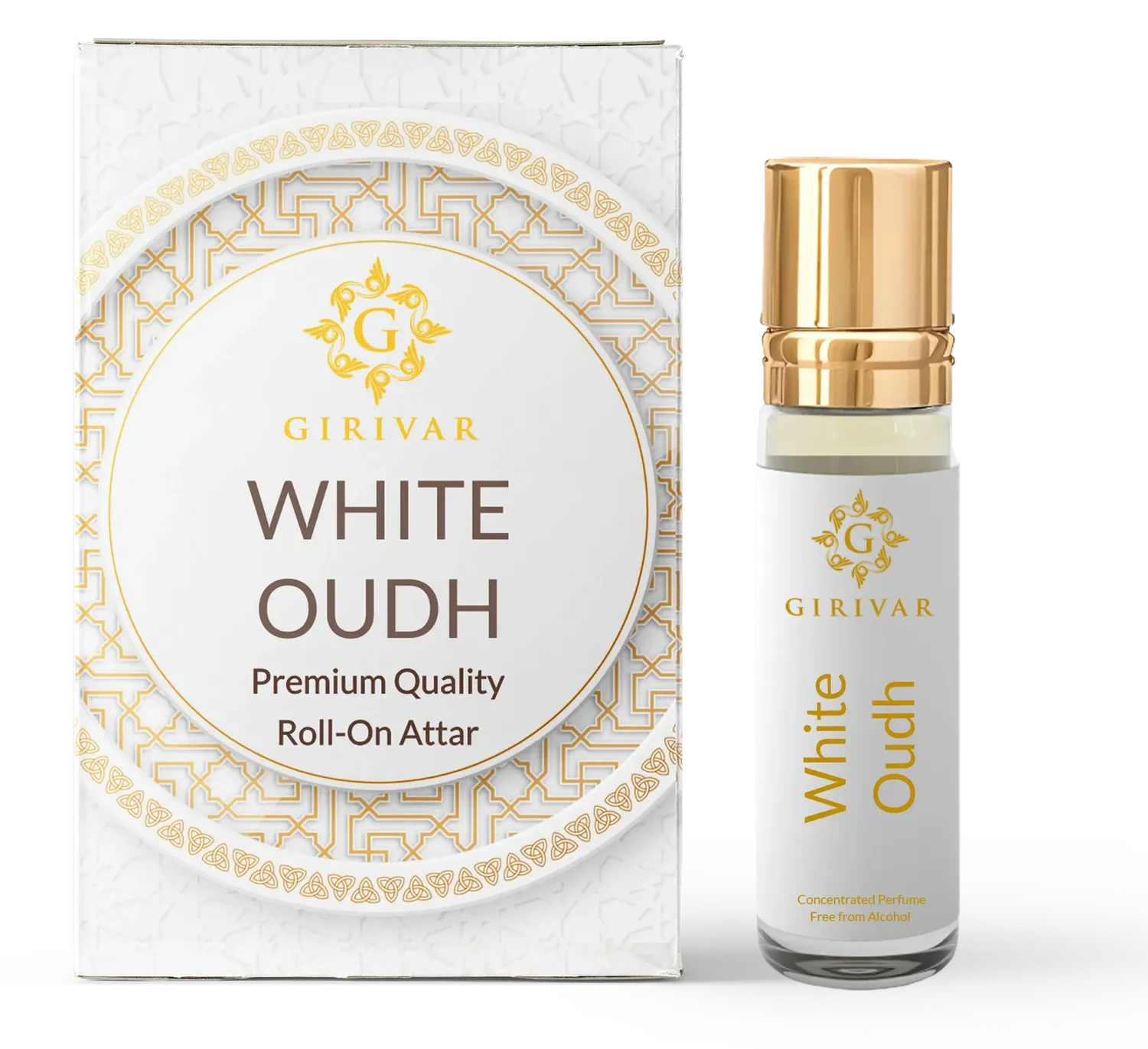
Ittar's Manufacturing Process
Ittar's manufacture is a complex, time-honoured art requiring patience and expertise. The following is a summary of the conventional manufacturing process:
- Choosing Ingredients: The first stage will be carefully choosing the natural components to create the Ittar. These components could include sandalwood, jasmine, or rose petals.
- The selected components are subsequently put through a process called steam distillation. This is done by running steam through the plant material to collect its fragrant chemicals. The steam, which carries the essence of the plants, is then condensed to get a very concentrated liquid.
- The acquired liquid is aged for a specific time to let the aroma develop and strengthen. This ageing process shapes the unique smell character of every Ittar.
- Once the Ittar has attained the required degree of scent, it is usually meticulously packaged in tiny, ornamental glass bottles. These bottles shield the aroma from outside influences and help keep it.
Ittar's History
Dating back centuries, the history of Ittar is a tapestry of tradition, culture, and magic. Ancient Indian, Persian, and Arab global civilizations provide their beginnings. Some critical turning points in Ittar's past are listed below:
- Ancient Indian subcontinent: Ittar's application in India dates back more than five thousand years. An essential part of Indian perfumery, Ittar-making was a respected art in the Mughal courts.
- Ittar has a long history in Arabic culture, where it was valued for its natural and pure traits. It was frequently utilized in religious ceremonies and had a major influence on Islamic rituals.
- Persian civilization also welcomed Ittar; famous perfumers and artists created original scents exported to many areas of the world.
- Ittar traveled to medieval Europe via trade routes, where it became popular among the upper class.
- Ittar has attracted renewed interest in recent years as more people recognize its natural and sustainable characteristics.
Ittar Varieties
- Ittar is available in a broad spectrum of aromas, each one reflecting the core of the plant origin from which it comes. Some typical kinds of Ittar are listed below:
- Roses are often connected with love and passion. This Ittar, made from rose petals, has a pleasant and romantic scent.
- Sandalwood Ittar has a somewhat pleasant, earthy, woody fragrance. It is often employed in spiritual and meditation exercises.
- Often employed as a base note in perfumery, Musk Ittar has a warm, musky smell.
- Resinous, warm, and somewhat sweet, Amber Ittar recalls old trading routes.
- Oud, also known as agarwood, is valued for its rich, woody, complex aroma. It is among the most costly and desired Ittars.
- Ittar, produced from spices including cardamom, cinnamon, and cloves, provides a fiery and fragrant experience.
Conclusion
Ancient in origin and ageless in appeal, Ittar still fascinates perfume lovers all over the world. Its natural, alcohol-free makeup and long history distinguish it from traditional scents. Whether you prefer the soothing aroma of lavender, the exotic appeal of oud, or the romantic attraction of rose, there is an Ittar for every taste and event. Exploring the world of Ittar, learning about its past, and taking into account your taste will help you start a fragrant trip that links you with centuries of legacy and satisfies your senses in the most basic of scents.