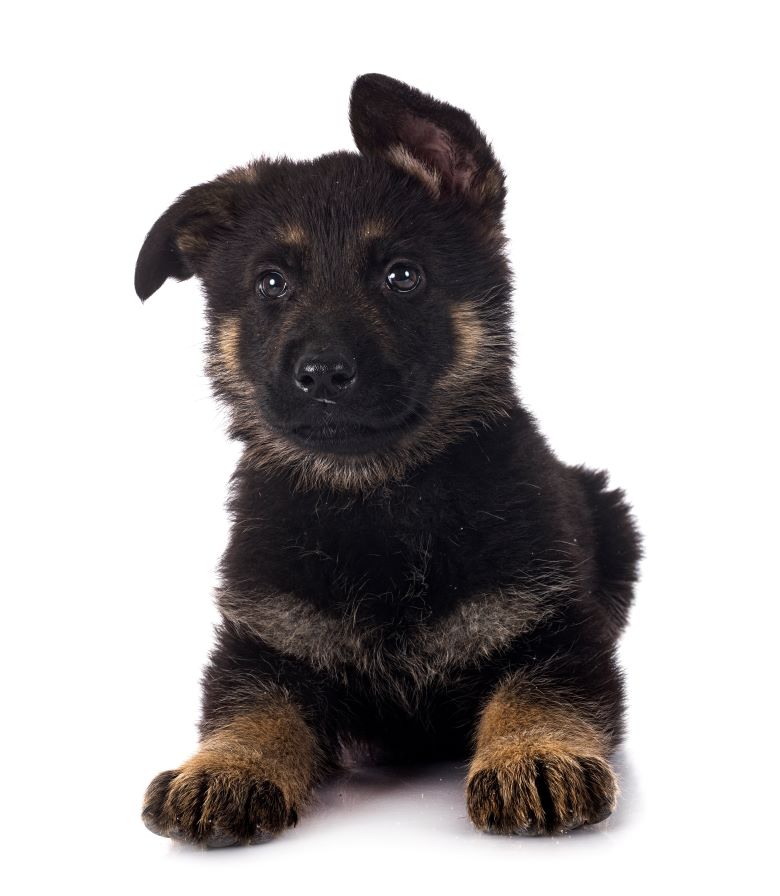
Feeding your German Shepherd puppy properly is essential for their growth, development, and overall health. As a responsible pet owner, it's crucial to understand their specific nutritional needs and establish healthy feeding habits from the start.
Understanding Your German Shepherd Puppy's Nutritional Needs
German Shepherd puppies have unique dietary requirements due to their size, breed, and rapid growth rate. They need a balanced diet rich in protein, vitamins, and minerals to support their development and maintain optimal health.
Choosing the Right Food for German Shepherd
Selecting the best food for your German Shepherd puppy’s feeding is key to their well-being. Look for high-quality puppy food formulated specifically for large breed puppies, with real meat as the primary ingredient and no artificial additives or fillers.
Establishing a Feeding Schedule
Consistency is key when it comes to feeding your puppy. Establish a regular feeding schedule with set meal times to regulate their metabolism and prevent digestive upset. Most experts recommend feeding puppies three to four times a day.
Portion Control
Proper portion control is essential to prevent overfeeding or underfeeding. Follow the feeding guidelines provided by the manufacturer based on your puppy's age, weight, and activity level. Adjust portion sizes as needed to maintain a healthy weight.
Avoiding Common Mistakes
Avoid common feeding mistakes such as free-feeding, feeding table scraps, or offering too many treats. Stick to a balanced diet and avoid excessive treats to prevent weight gain and nutritional imbalances.
Feeding Environment
Create a calm and stress-free environment for feeding to promote healthy eating habits. Choose a quiet area away from distractions and other pets, and use a stable, non-slip bowl to prevent spills and accidents.
Supplements and Treats
While high-quality puppy food provides essential nutrients, supplements and treats can be incorporated into your puppy's diet in moderation. Choose treats made with wholesome ingredients and avoid those high in sugar, salt, or artificial additives.
Monitoring Your Puppy's Health
Pay attention to your puppy's appetite, energy levels, and overall health. Signs of a healthy appetite include enthusiasm for meals and a shiny coat. If you notice any changes in appetite or behavior, consult with your veterinarian.
Transitioning to Adult Food
As your German Shepherd puppy grows, their nutritional needs will change. Gradually transition them to adult food around 12-18 months of age, following the manufacturer's recommendations. Monitor their weight and adjust portion sizes accordingly.
Conclusion
Feeding your German Shepherd puppy properly is essential for their growth, development, and overall health. By understanding their nutritional needs, establishing a healthy feeding schedule, and avoiding common mistakes, you can ensure your puppy grows into a happy and healthy adult dog.
FAQs
- How often should I feed my German Shepherd puppy?
German Shepherd puppies should be fed three to four times a day to support their rapid growth and metabolism.
- Can I feed my puppy human food?
While some human foods are safe for dogs in moderation, it's best to stick to high-quality puppy food formulated for their nutritional needs.
- What are the signs of overfeeding or underfeeding?
Signs of overfeeding include excessive weight gain, while underfeeding may result in lethargy or poor growth.
- Should I feed my puppy before or after exercise?
It's best to feed your puppy before or after exercise to ensure they have enough energy for their activities.
- How do I know if my puppy is allergic to their food?
Signs of food allergies in puppies include itching, skin irritation, vomiting, or diarrhea. If you suspect a food allergy, consult with your veterinarian for guidance.