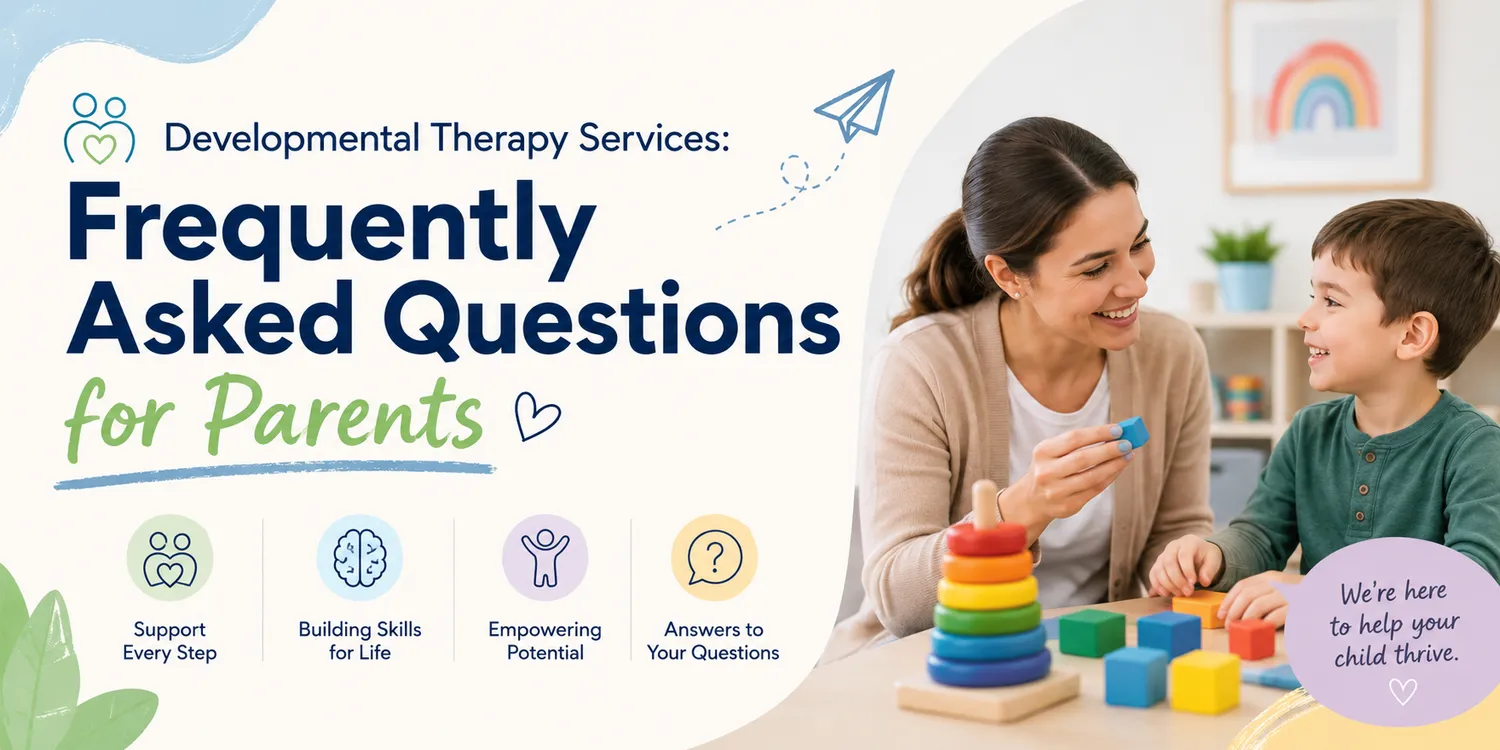
Children grow and develop at their own pace, but some may need additional support to build important physical, emotional, communication, and social skills. This is where developmental therapy services can make a meaningful difference. These services are designed to help children overcome developmental delays and reach important milestones through personalized care and therapy programs.
Parents often have many questions about how developmental therapy works, who can benefit from it, and what to expect during the process. This FAQ guide answers some of the most common questions families ask about therapy services and how they support healthy child development.
1. What Are Developmental Therapy Services for Children?
Developmental therapy services are specialized programs created to help children improve skills related to learning, communication, movement, behavior, and daily activities. These services focus on supporting children who may have developmental delays, medical conditions, or challenges reaching age-appropriate milestones.
Therapists work closely with children through structured activities, play-based learning, and personalized exercises that encourage growth in multiple areas of development. The goal is to help children become more independent and confident in everyday life.
- Speech therapy
- Occupational therapy
- Physical therapy
- Behavioral support
- Social skill development
- Sensory integration activities
These therapies are often provided in pediatric centers, learning environments, or specialized childcare settings.
2. How Do Developmental Therapy Services Help Child Development?
Developmental therapy services support children by improving essential life skills and helping them progress in areas where they may struggle. Every therapy plan is customized to meet the child’s unique developmental needs.
Therapy sessions may help children:
- Improve communication abilities
- Develop stronger motor skills
- Enhance coordination and balance
- Learn social interaction skills
- Increase focus and attention
- Build confidence and independence
Therapists use age-appropriate activities and positive reinforcement to encourage progress. Early support can make a major difference in helping children adapt more successfully at home, school, and in social environments.
3. Who Can Benefit from Developmental Therapy Services?
Many children can benefit from developmental services, especially those experiencing delays in physical, emotional, cognitive, or communication development.
Children who may benefit include:
- Children with developmental delays
- Children with autism spectrum disorder
- Children with speech or language challenges
- Children with sensory processing difficulties
- Premature infants needing developmental support
- Children with physical disabilities or medical conditions
- Children struggling with social or behavioral skills
Even mild developmental concerns can be addressed through therapy. Early intervention allows children to receive support before challenges become more difficult over time.
4. What Signs Indicate a Child May Need Developmental Therapy Services?
Parents are often the first to notice when a child is struggling with developmental milestones.
Some common signs include:
- Delayed speech or limited communication
- Difficulty walking, crawling, or balancing
- Trouble interacting with other children
- Sensitivity to sounds, textures, or lights
- Difficulty focusing or following instructions
- Challenges with self-care activities
- Repetitive behaviors or emotional difficulties
If parents notice ongoing developmental concerns, speaking with a pediatric specialist or developmental therapist can help determine whether therapy services are appropriate.
5. At What Age Should a Child Start Developmental Therapy Services?
Early intervention is extremely important because young children’s brains are still rapidly developing. Starting therapy early often leads to better long-term outcomes and helps children build foundational skills sooner.
However, developmental therapy can benefit children of many ages, including preschoolers, school-age children, and teenagers. The most important step is recognizing the need for support and beginning services as soon as possible.
6. What Types of Therapies Are Included in Developmental Therapy Services?
Developmental therapy services often involve multiple therapy approaches depending on the child’s specific needs.
Speech Therapy
Helps children improve language development, communication skills, and speech clarity.
Occupational Therapy
Supports fine motor skills, sensory processing, and daily living activities such as dressing or feeding.
Physical Therapy
Focuses on strength, coordination, posture, balance, and mobility.
Behavioral Therapy
Helps children develop emotional regulation, positive behaviors, and social interaction skills.
Social Skills Training
Encourages children to build friendships, improve communication, and participate in group activities more comfortably.
A combination of therapies may be recommended to provide comprehensive developmental support.
7. How Often Should a Child Attend Developmental Therapy Sessions?
The frequency of developmental therapy sessions depends on the child’s needs, goals, and therapist recommendations. Some children may attend therapy several times each week, while others may benefit from fewer sessions.
Therapists evaluate factors such as:
- Severity of developmental delays
- Age of the child
- Therapy goals
- Medical conditions
- Progress over time
Consistency is important for achieving the best results. Regular therapy sessions combined with supportive activities at home can help children make steady progress.
Parents are often encouraged to participate in the therapy process so they can continue practicing important skills outside of therapy sessions.
8. Can Developmental Therapy Improve Communication and Social Skills?
Yes, developmental therapy services can significantly improve communication and social interaction skills. Many children struggle with expressing themselves, understanding social cues, or interacting with peers. At GenCare Kids, therapy programs are designed to help children build confidence, strengthen communication abilities, and develop positive social connections in supportive learning environments.
Therapists use structured activities and guided play to help children:
- Express thoughts and emotions
- Improve listening skills
- Understand conversations
- Build friendships
- Participate in group activities
- Develop confidence in social settings
Improved communication skills often lead to stronger relationships at home, better classroom participation, and increased self-esteem.
9. Are Developmental Therapy Services Personalized for Each Child?
Every child has unique strengths and challenges, which is why developmental therapy services are highly personalized. Therapists begin with evaluations to understand the child’s developmental level, abilities, and goals.
Customized therapy plans may focus on:
- Speech development
- Motor coordination
- Emotional regulation
- Learning abilities
- Sensory needs
- Social interaction
Therapists regularly monitor progress and adjust therapy strategies as the child develops new skills. Personalized care helps children receive the support they need in the most effective way possible.
10. How Do Parents Support Children Receiving Developmental Therapy Services?
Parents play an essential role in supporting their child’s developmental progress. Therapy works best when families actively participate in the process and continue reinforcing skills at home.
Parents can help by:
- Following therapist recommendations
- Practicing therapy activities at home
- Encouraging communication and play
- Maintaining consistent routines
- Celebrating small achievements
- Providing emotional support and patience
Strong collaboration between parents and therapists creates a supportive environment where children can thrive both during therapy sessions and in daily life.