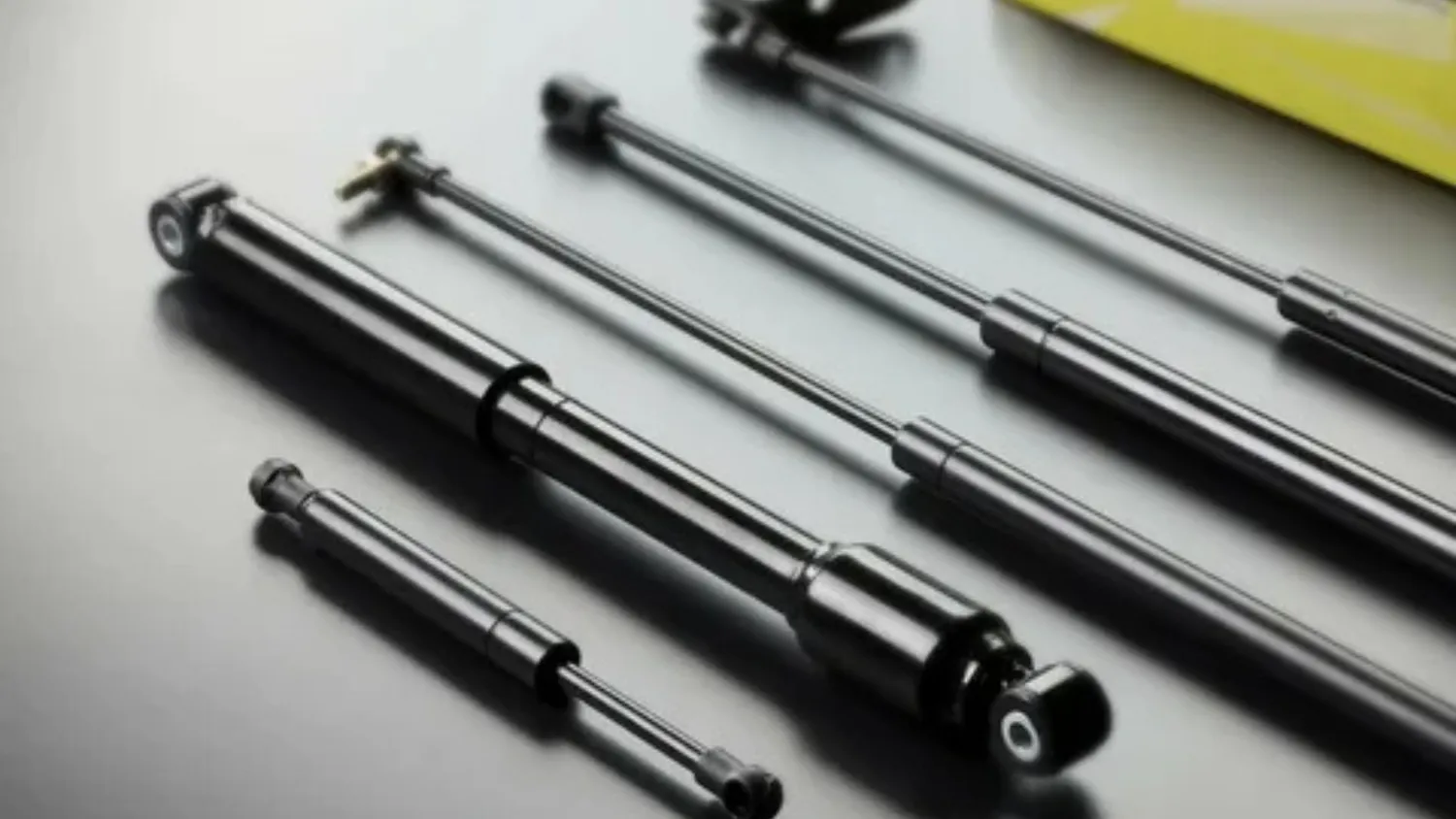
Gas springs for hatches may be small, but they play a huge role in your vehicle’s functionality and convenience. These compact but powerful components make opening and closing the hatch easy, smooth, and safe. If you’ve ever struggled with a heavy or sticky hatch, you know the difference gas springs can make!
Let’s dive into everything you need to know about gas springs for hatches, from how they work to what to consider when choosing or replacing them.
What Are Gas Springs for Hatches?
In a nutshell, gas springs are devices that help lift, hold, and control the movement of vehicle hatches. They’re filled with pressurized gas, typically nitrogen, that creates resistance when compressed. This resistance, combined with oil that dampens the speed, makes opening and closing your hatch a breeze. With gas springs, the force needed to lift a heavy hatch is reduced, making it safer and much more user-friendly.
Gas springs are commonly used in car hatches, but you’ll also find them in many other applications, like on trunks, hoods, and even in some industrial equipment. They’re reliable, durable, and designed to last, though they may eventually wear out after years of use.
How Do Gas Springs Work?
The mechanics behind gas springs may seem complex, but they’re relatively straightforward. Inside each gas spring, nitrogen gas is tightly compressed, creating a counterforce. When you open the hatch, the spring’s compressed gas pushes back against the force of gravity, supporting the weight. The gas spring’s oil chamber slows the movement, so the hatch doesn’t slam open or shut suddenly. This controlled motion makes gas springs ideal for hatches where gentle, smooth movement is needed.
Over time, though, the gas in the springs can leak, or seals can wear down, reducing the spring's effectiveness. If your hatch starts feeling heavier or stops holding in position, it’s likely time to look into replacement options.
Signs Your Gas Springs Need Replacing
Gas springs don’t last forever. Here are a few telltale signs that it’s time to replace them:
- The Hatch Feels Heavy: If you’re noticing more weight when lifting, the gas pressure is probably low.
- The Hatch Falls Shut: A well-functioning gas spring will hold the hatch open. If it doesn’t, it’s a safety issue that requires immediate attention.
- Unusual Noises: If you hear hissing or grinding sounds, it’s often a sign of internal wear or a gas leak.
Addressing these issues promptly ensures safe and hassle-free hatch operation.
Choosing the Right Gas Springs for Your Hatch
Not all gas springs are created equal. When choosing replacements, there are a few factors to keep in mind:
- Weight Capacity: Make sure the gas spring can support your hatch’s weight. Going too light will make the hatch difficult to lift, while springs that are too strong can lead to difficulty in controlling the hatch.
- Length and Stroke: These measurements need to match your current gas springs to avoid awkward or ineffective fits.
- Mounting Hardware: Some gas springs come with their own mounts, while others may require separate mounting brackets. Ensure compatibility with your vehicle's hatch structure.
Choosing the right gas springs for your hatch is essential to restoring smooth operation and safety.
Installing Gas Springs: Do It Yourself or Call a Pro?
Installing new gas springs is often a straightforward task if you’re handy with basic tools. However, make sure you have a helper for safety, as hatches can be heavy to hold. Align the new springs with your mounting brackets, and fasten them securely in place. If DIY isn’t your style, a professional mechanic can swap them out quickly.
With a little care, gas springs can keep your hatch working smoothly for years.
So, next time your hatch gives you a hard time, remember to check those gas springs! A little attention to your gas springs for hatches can go a long way in keeping everything running like clockwork.