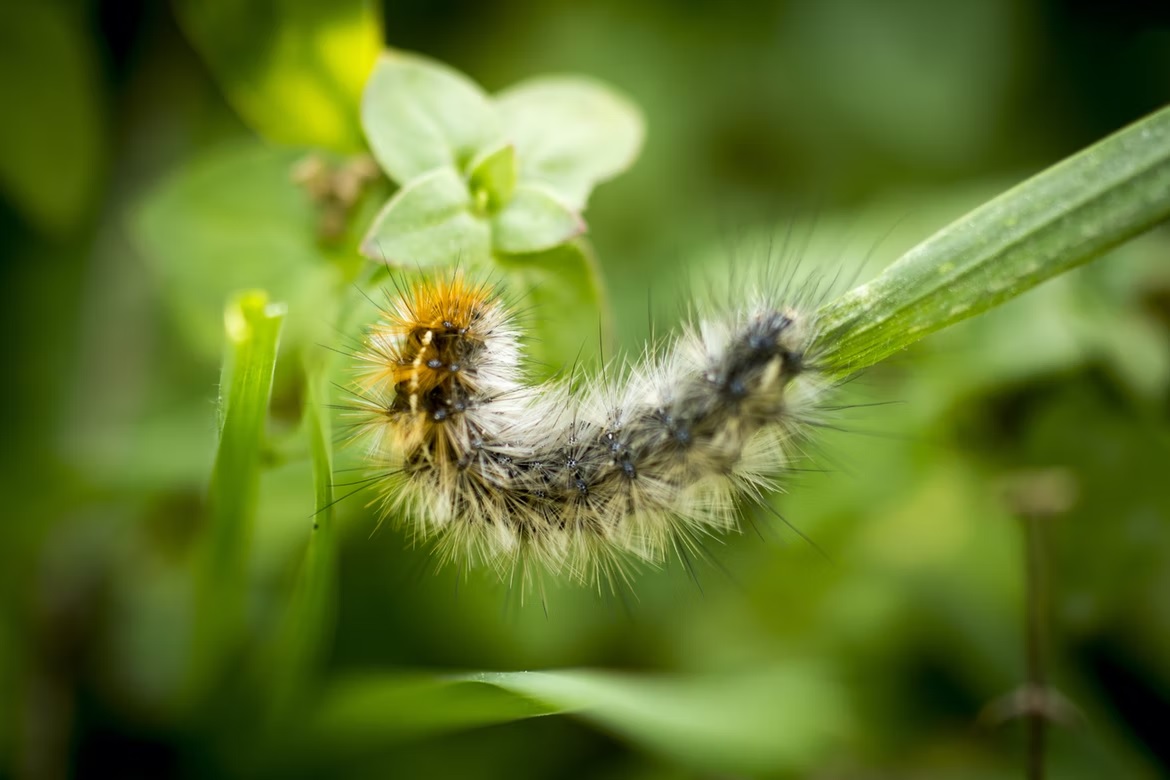
There are many joys to gardening. For some, there is nothing like walking out into the garden and picking a fresh fruit or vegetable out of the ground. For others, simply looking out into a sea of colourful flowers is an instant mood booster.
However, there is one key downside to gardening- the existence of pests. Try as you might, it seems like pests, in one form or another, will infiltrate your defenses and wreak havoc on once thriving plants or crops.
While this is disheartening, a pest infestation doesn’t always have to be inevitable. In fact, there are tips that both novice and seasoned gardeners can employ to ensure that their plants and crops can flourish, year-round.
8 ways to keep pests out of the garden
Our gardens can tell us a lot. For example, clover growing on the lawn can indicate a lack of nitrogen. Meanwhile, dying plant leaves can indicate a pest infestation. Rather than letting pests win, employing a few simple tips and tricks can actively protect your garden.
1. Choose resistant plant varieties
When gearing up for the fight against pests, the best place to start is by planting flowers and crops that are known to be resistant to pests. Finding such plants won’t be hard as there are numerous varieties that are in fact, naturally resistant to plants.
It’s also worth noting that there are some vegetable varieties that are known to be plant resistant and can, in fact, defend themselves against a pest infestation. These varieties include cabbages and cauliflower.
2. Plant in the right area
If you have your heart set on planting flowers or crops that are not naturally pest resistant, the next best step is to choose planting areas carefully. This is because, while plants can tolerate too little or too much sunlight for a certain period of time, they will gradually weaken.
A weakened plant or crop immediately attracts pests. This means that you may have to tend to a sick crop or remove it from the garden altogether. As such, make sure to pay attention to the sunlight and shade ratios for each plant or crop.
3. Actively repel pests
Research over the years has outlined a connection between strong scented herbs and pests. This is because, when pests pick up the scent of herbs such as coriander and garlic or even chives and thyme, they are deterred from coming closer. With this in mind, plant these herbs.
4. Attract the right type of pests
While this may sound counterintuitive, attracting the right types of insects can actually be beneficial. This is because the right insects will work to prey on the pests that are ruining your plants and crops.
With this in mind, attract spiders into your garden by planting certain flowers. They will eat many varieties of insects and the ones they miss are likely to get stuck in the spider’s webs. Preventing them from feasting on your plants and crops.
5. Rotate crops
When it comes to planting crops, it can be easy to continue to grow crops in one space. However, if there are pests in the soil, they will tend to stay there, eventually ruining another one of your yields.
To combat this, you could move crop planting into a different part of the garden. If you don’t have enough space, plant a cover crop that will detract pests from the area and remove this crop when you’re ready to plant seedlings again.
6. Focus on plant health
Stress-free plants can successfully defend themselves against a pest infestation. A burdened plant cannot. With this in mind, it’s important to focus on elements of plant health. This will help keep plants thriving and free from infestation.
Strong plants begin with healthy soil. As such, make sure that your soil is actively working with your plants, not against them. A natural fertiliser might be a good substitute for a garden with poor soil quality.
7. Employ smart planting
There is no written rule that says that plants need to be transplanted or grown directly into the ground. In fact, there are many ways to house and therefore grow plants and crops. By employing different methods of planting, you can work to avoid certain pests.
For example, put plants or crops that are known to be frequented by low-flying pests into pots. You will also have plants that are susceptible to soil-dwelling pests. In that case, employ the use of raised pots. This method will also prevent slugs.
8. Water on schedule
Watering at the right time of day is truly crucial. Most gardeners know that frequent watering is important, however, they don’t know what time to water. This may result in an infrequent schedule or watering at the wrong time.
The best time to water? In the morning. A morning soak will work to keep plants hydrated and a hydrated plant isn’t appealing to pests. Additionally, a daytime water ensures that leaves will dry off come darkness. This prevents slugs and snails who love to gather on wet leaves.
Tending to a garden
Gardening can be one of the most enjoyable hobbies. However, this can all change when pests surface. Rather than giving up gardening altogether, it’s important to remain informed. Armed with a few simple tips, you can ensure that your garden has all the tools needed to reject pests and therefore, thrive.