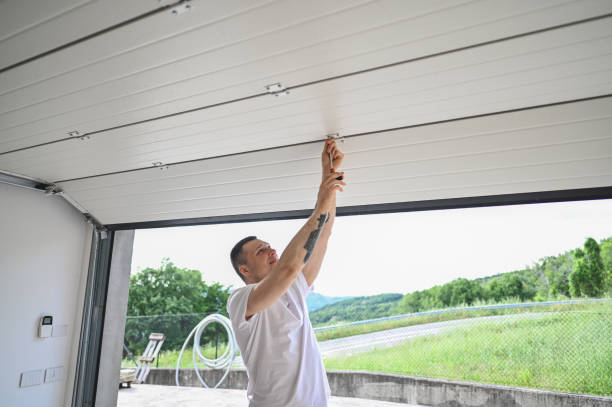
If your garage door suddenly stops working, chances are the springs are to blame. Garage door springs play a vital role in lifting and lowering your garage door. When they wear out or break, your door can become heavy, unstable, and even dangerous. That’s why garage door spring replacement is one of the most important maintenance tasks for any homeowner.
In this article, we’ll explore everything you need to know about garage door spring replacement—from identifying warning signs to understanding costs and choosing the right professional service.
What Do Garage Door Springs Do?
Garage doors are heavy—some weigh over 200 pounds. The springs bear most of this weight, making it easier to lift the door manually or with an opener. There are two main types of springs:
- Torsion Springs: Mounted above the door, these springs use torque to lift and lower the door.
- Extension Springs: Located on the sides of the door, these springs expand and contract to move the door.
Both types are under immense tension and can cause serious injury if not handled correctly. That’s why garage door spring replacement should never be taken lightly.
Signs You Need Garage Door Spring Replacement
Knowing when your springs are failing can help prevent a complete breakdown or an accident.
1. Garage Door Won’t Open or Closes Too Quickly
If your door won't open at all or slams shut quickly, the springs may be broken or severely worn.
2. Uneven Door Movement
If one side of the door moves faster or higher than the other, it could be due to uneven spring tension or a broken spring on one side.
3. Loud Bang or Snap Noise
A sudden, loud noise from the garage could be a spring breaking under tension. This is a clear sign you need immediate garage door spring replacement.
4. Gaps in the Springs
Torsion springs should be tightly wound. If you notice a visible gap in the spring, it’s broken and needs replacing.
5. Manual Operation Feels Heavy
Try lifting the door manually (with the opener disengaged). If it feels unusually heavy, your springs aren’t doing their job.
Can You Replace Garage Door Springs Yourself?
Technically, yes—but it’s not recommended unless you have professional training. Garage door springs are under high tension and can cause severe injury or death if mishandled.
Reasons to avoid DIY spring replacement:
- Risk of injury from spring recoil
- Improper installation can damage the door or opener
- May void warranties on your door system
- Requires special tools and safety gear
For your safety and peace of mind, always hire a trained technician for garage door spring replacement.
What to Expect from a Professional Garage Door Spring Replacement
When you call a professional, here's what the service typically involves:
1. Inspection
The technician will inspect the entire garage door system, including cables, pulleys, rollers, and tracks, to ensure no other components are damaged.
2. Choosing the Right Spring
There are different sizes and strengths of springs depending on your door’s weight and type. A pro will select the right spring to ensure safe operation.
3. Spring Removal
Using specialized tools, the old, broken spring is carefully removed. Safety measures are taken to prevent any accidental recoil.
4. New Spring Installation
The new spring is installed and adjusted for proper tension. The technician will test the door for smooth operation and balance.
5. Final Safety Check
Once installed, the entire door system is tested to ensure safe and reliable function.
Garage Door Spring Replacement Cost
The cost of garage door spring replacement depends on the type of springs, door size, and labor. Here's a general cost estimate:
Type of Repair
Cost Range
Single Extension Spring Replacement
$100 – $150
Torsion Spring Replacement
$150 – $300
Dual Spring Replacement (Common)
$200 – $350
Labor Costs
Included or $75+
Pro Tip: Replacing both springs (even if only one is broken) is often recommended, especially for torsion systems, to ensure balanced performance and reduce strain on the opener.
How to Extend the Life of Your Garage Door Springs
While springs do wear out over time, regular maintenance can extend their lifespan and improve safety.
1. Lubricate the Springs
Apply a silicone-based lubricant to the springs every 6 months to prevent rust and reduce friction.
2. Inspect for Wear
Look for signs of wear, corrosion, or stretching during monthly checks.
3. Balance Test
Disconnect the opener and lift the door manually. It should stay halfway open. If not, your springs may need adjustment or replacement.
4. Avoid Excessive Use
Limit unnecessary use of the garage door to reduce wear on the springs.
5. Schedule Annual Maintenance
Have a professional inspect your garage door system annually. Preventive service can catch spring issues before they become emergencies.
Dangers of Delaying Garage Door Spring Replacement
Ignoring broken springs can lead to:
- Complete garage door failure
- Motor and cable damage
- Risk of injury from the falling door
- Higher long-term repair costs
Timely garage door spring replacement not only keeps your garage safe but also protects other components in the system.
Final Thoughts
Garage door springs are small but mighty components that do the heavy lifting—literally. When they break or weaken, your garage door system becomes unsafe and unreliable. That’s why garage door spring replacement is a critical maintenance task that should always be handled by professionals.
By recognizing the warning signs, scheduling timely repairs, and investing in routine maintenance, you can ensure your garage door stays functional and safe for years to come. Don’t wait for a total breakdown—get your springs inspected and replaced by a trusted expert today.