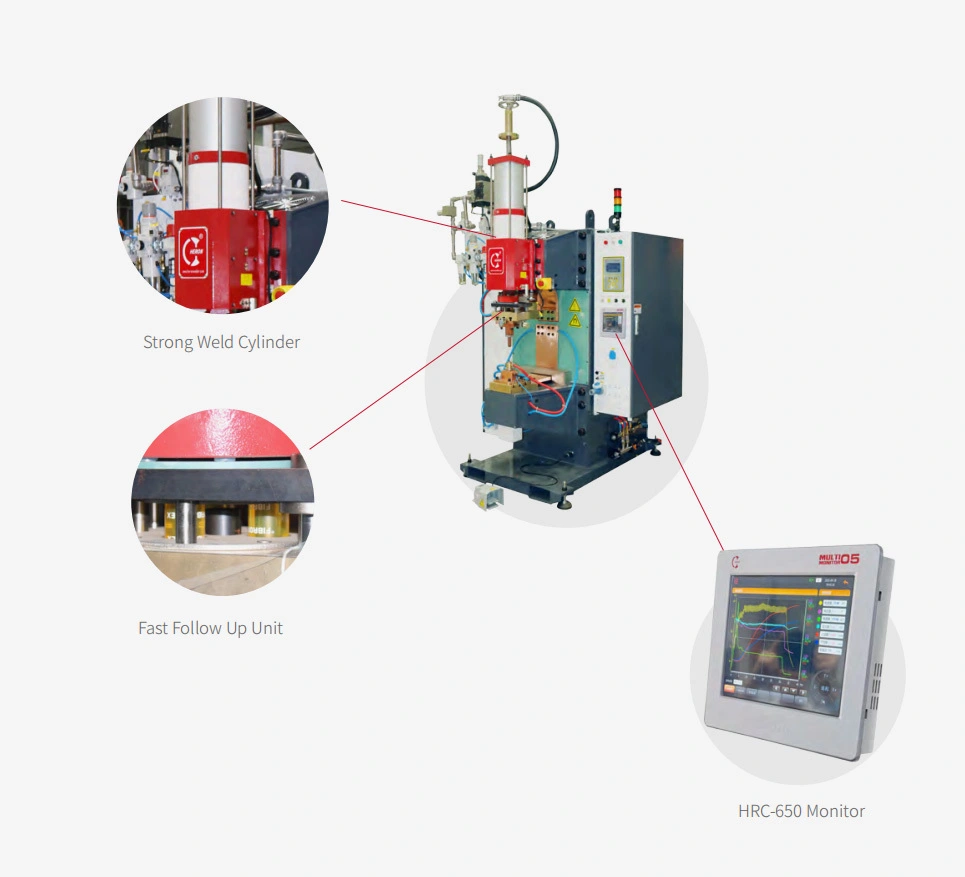
When it comes to efficient and reliable welding, a projection welder plays a crucial role in modern manufacturing. Designed for high-speed, accurate joining of metal components, projection welding has become a go-to solution for industries ranging from automotive to electronics. In this article, we will explore the features, benefits, and applications of projection welders, helping you understand why investing in this technology can significantly enhance your production process.
What is a Projection Welder?
A projection welder is a type of resistance welding machine that joins two or more metal surfaces by applying pressure and passing an electric current through them. Unlike traditional spot welding, projection welding uses raised sections, or “projections,” on one or more workpieces to concentrate the welding current at specific points. This ensures stronger, more consistent welds and reduces the risk of material deformation.
Key Components of a Projection Welder:
- Electrodes: Conduct electricity and apply pressure to the workpieces.
- Transformers: Convert electrical energy to the proper voltage and current for welding.
- Control System: Regulates welding parameters such as current, pressure, and time.
- Worktable/Fixture: Holds components securely in place for precise welding.
Benefits of Using a Projection Welder
Investing in a projection welder brings several advantages to industrial manufacturing:
- High-Quality Welds: The projections ensure that heat is concentrated at the correct spot, creating a strong and clean weld.
- Consistent Performance: Automated control systems minimize human error, producing uniform results every time.
- Reduced Distortion: Because the current is focused, surrounding metal is less affected, reducing warping and material stress.
- Increased Efficiency: Multiple projections can be welded simultaneously, speeding up production.
- Versatility: Suitable for a wide range of metals, including steel, aluminum, and nickel alloys.
Common Applications of Projection Welding
Projection welding is widely used across industries due to its reliability and precision. Some of the common applications include:
- Automotive Manufacturing: Joining sheet metal components such as brackets, frames, and electrical connectors.
- Electronics: Assembling components where precise, small welds are required.
- Aerospace: Creating high-strength connections in lightweight metal structures.
- HVAC Systems: Manufacturing heat exchangers, condenser parts, and other metal assemblies.
Tips for Choosing the Right Projection Welder
Selecting the ideal projection welder requires considering several factors:
- Material Type and Thickness: Ensure the machine can handle the metals you work with.
- Weld Size and Quantity: Machines vary in their capacity to weld multiple points at once.
- Automation Level: Decide between manual, semi-automatic, or fully automated systems based on production needs.
- Maintenance and Support: Opt for a machine from a manufacturer offering reliable service and spare parts.
Maintaining Your Projection Welder
Proper maintenance is key to maximizing the lifespan and performance of your projection welder:
- Regularly inspect electrodes for wear and replace them when necessary.
- Keep the worktable clean and free from debris.
- Monitor electrical connections and cables for damage.
- Follow the manufacturer’s guidelines for lubrication and servicing.
Conclusion
A projection welder is an essential tool for industries that demand precision, efficiency, and high-quality welds. From automotive manufacturing to electronics and aerospace, this welding technology offers unmatched versatility and performance. By choosing the right machine and maintaining it properly, you can ensure consistent results and long-term productivity.