Choosing the right carpet can transform your living space, adding warmth, comfort, and style. With so many options available, selecting the perfect carpet for your home can be a daunting task. This guide will help you navigate the world of carpets, offering tips and considerations to ensure you make the best choice for your needs and lifestyle.
1. Consider Your Lifestyle and Needs
Before diving into color swatches and textures, think about your lifestyle and how you use each room in your home. For instance, if you have children or pets, you'll need a carpet that can withstand heavy use and spills. In contrast, a bedroom might benefit from a plush, luxurious carpet where comfort is the priority. Identifying the needs of each space will help you narrow down your options.
2. Understand Different Carpet Types
Carpets come in various types, each with unique characteristics. Here are some of the most common:
- Loop Pile Carpets: These carpets are durable and ideal for high-traffic areas like hallways and living rooms. They’re known for their resistance to wear and tear but might not be as soft underfoot.
- Cut Pile Carpets: This type is softer and more luxurious, making it a great choice for bedrooms and formal living areas. However, they may show footprints and vacuum marks.
- Berber Carpets: Known for their distinctive loop construction, Berber carpets are durable and stain-resistant, perfect for family rooms and areas that see a lot of action.
- Saxony Carpets: These are dense and soft, ideal for low-traffic areas like bedrooms. They provide a more formal, elegant look.
3. Choose the Right Material
The material of the carpet is crucial in determining its durability, feel, and appearance. Here are some common materials:
- Nylon: Highly durable and resistant to wear, making it great for high-traffic areas. It’s also easy to clean and comes in a variety of styles.
- Polyester: Known for its soft texture and vibrant colors, polyester is stain-resistant but may not be as durable as nylon.
- Wool: A natural, eco-friendly option that’s soft and luxurious. Wool is durable and resistant to dirt and crushing, but it can be more expensive than synthetic options.
- Olefin (Polypropylene): This material is resistant to moisture, mildew, and stains, making it a great choice for basements and outdoor areas. However, it’s less durable than nylon and can flatten over time.
4. Select the Right Color and Pattern
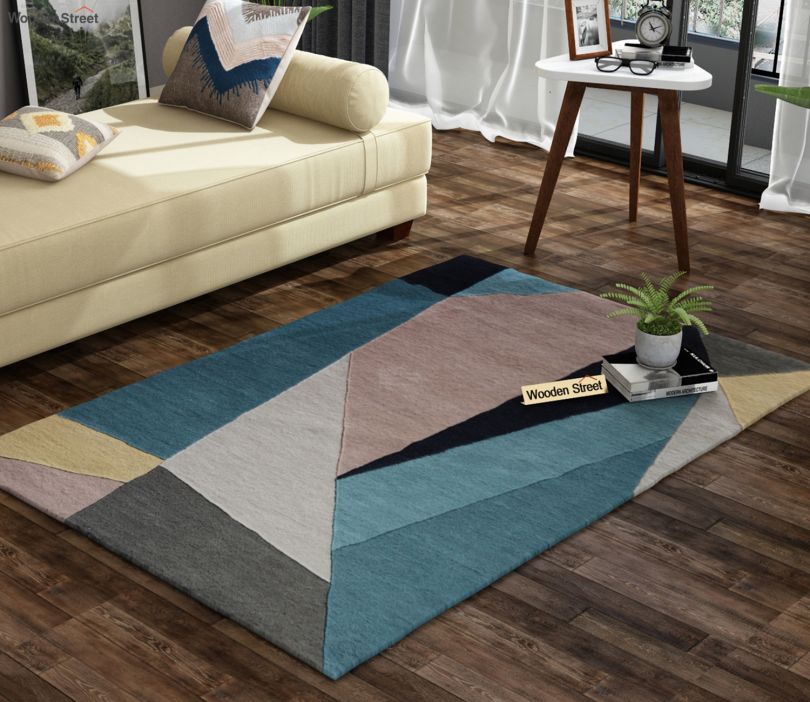
The color and pattern of your carpet can dramatically influence the feel of a room. Light-colored carpets can make a space feel larger and more open but may show stains more easily. Darker carpets hide stains well and create a cozy, intimate atmosphere. Consider the existing decor and color scheme of your room when selecting a carpet.
Patterns can add visual interest and hide dirt and stains. A subtle pattern can add depth to a room, while bold patterns make a statement. Keep in mind that intricate patterns might clash with busy decor, so choose something that complements your style.
5. Evaluate Carpet Padding
Carpet padding is often overlooked but plays a critical role in the comfort and longevity of your carpet. Good padding provides a foundation that absorbs foot traffic impact, reduces noise, and adds insulation. Generally, thicker padding offers more comfort, while thinner padding is better for high-traffic areas where stability is needed.
6. Consider Maintenance and Care
Every carpet requires maintenance to stay looking its best. Consider how much time and effort you're willing to invest in cleaning. Carpets with stain-resistant treatments can help reduce the need for frequent deep cleaning, while some materials naturally resist dirt and stains better than others. High-pile carpets may require more frequent vacuuming to remove dirt and debris that can settle deep into the fibers.
7. Budget Wisely
Carpet prices vary widely depending on the material, style, and quality. Set a budget before you start shopping, and remember to factor in the cost of padding and installation. Investing in a high-quality carpet may cost more upfront but can save money in the long run due to its durability and longer lifespan.
Conclusion
Choosing the perfect carpet for living room involves more than just picking a color you like. By considering your lifestyle, understanding different carpet types and materials, evaluating color and pattern choices, and planning for maintenance and budget, you can find a carpet that will meet your needs and enhance your living space. Take your time, explore your options, and enjoy the process of finding the perfect carpet to make your home even more comfortable and beautiful.