The L-shaped sofa, a stylish and functional addition to any living room, offers a combination of comfort, ample seating, and modern aesthetics. However, purchasing the right L-shaped sofa requires careful consideration of several factors to ensure it meets your needs and complements your space. Here’s a detailed guide on what to consider when buying an L-shaped sofa.
1. Room Size and Layout
Assess Your Space:Before purchasing an L shaped sofa, measure your living room to understand the available space. Consider the sofa’s dimensions, ensuring it fits comfortably without overwhelming the room or obstructing pathways. Visualize how the sofa will be placed, keeping in mind the arrangement of other furniture and the flow of movement.
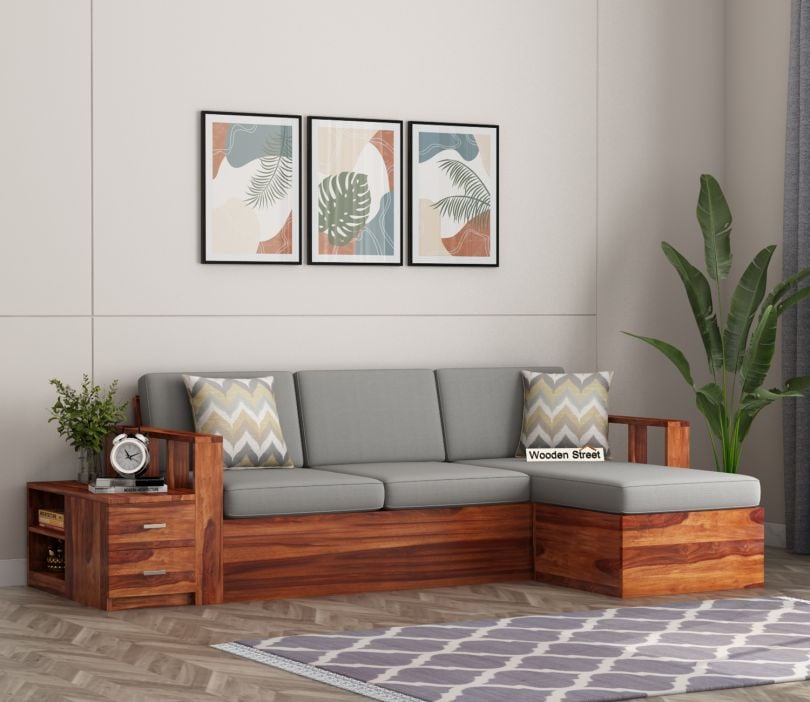
Configuration:L-shaped sofas come in various configurations, such as left-facing, right-facing, and modular designs. Choose a configuration that aligns with your room’s layout and your personal preferences.
2. Purpose and Functionality
Usage:Consider how you plan to use the sofa. Will it primarily be for lounging, entertaining guests, or as a centerpiece for movie nights? Your usage will influence the type of sofa you choose. For instance, if you often host guests, a sofa with a larger seating capacity and additional features like a pull-out bed might be ideal.
Additional Features:Look for features that enhance functionality, such as adjustable headrests, recliners, or storage compartments. These can add convenience and make the sofa more versatile.
3. Comfort and Support
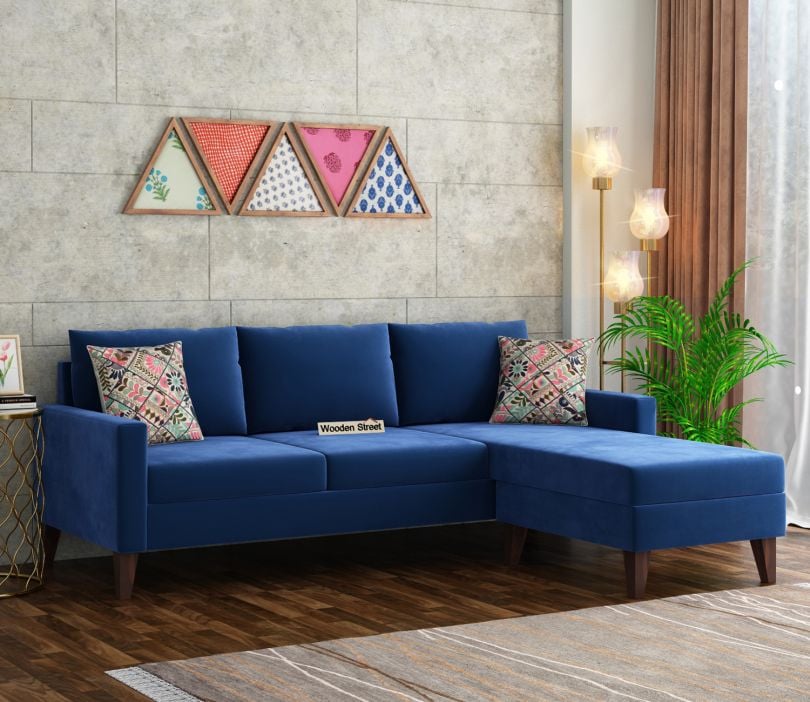
Cushioning:Comfort is paramount when selecting a sofa. Test the cushioning to ensure it offers the right balance of softness and support. High-density foam cushions provide durability and maintain their shape over time, while feather-filled cushions offer a plush, luxurious feel.
Back Support:Check the backrest height and design to ensure it provides adequate support. Sofas with higher backrests are suitable for people who prefer sitting upright, while those with lower backrests are ideal for lounging.
4. Material and Upholstery
Fabric:Choose upholstery that suits your lifestyle and aesthetic preferences. Fabric sofas are available in various textures and colors, offering versatility and a cozy feel. However, they may require more maintenance, especially in households with pets or children.
Leather:Leather upholstery is durable, easy to clean, and adds a touch of elegance. It’s a great option for those seeking a sophisticated look, though it can be more expensive and may require regular conditioning to prevent cracking.
5. Durability and Construction
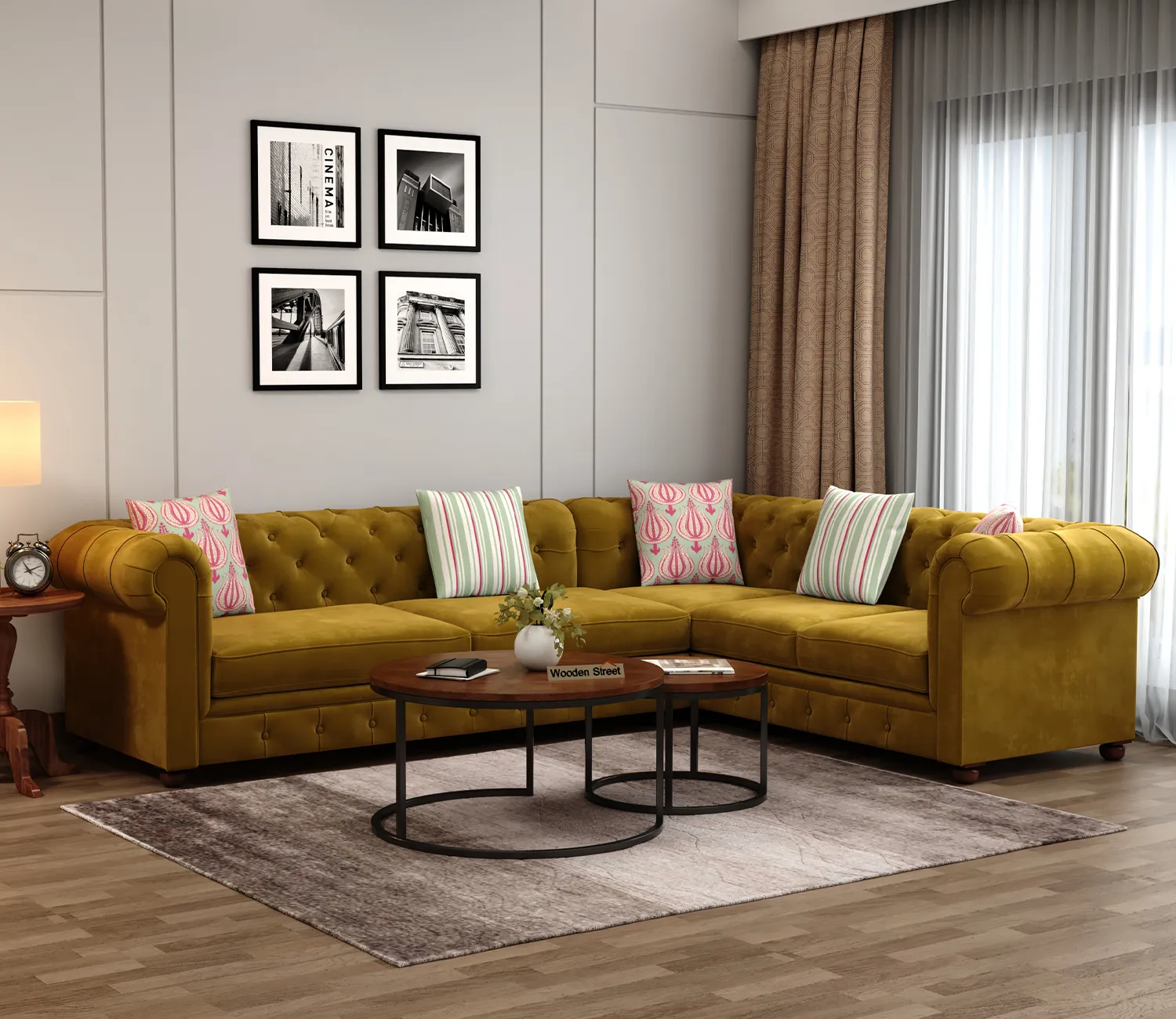
Frame:A sturdy frame is essential for the longevity of your sofa. Hardwood frames, such as those made from oak or maple, provide excellent durability. Avoid sofas with frames made of particleboard or plastic, as they are less robust.
Joinery:Inspect the joinery and construction methods used. Mortise-and-tenon or doweled joints are indicators of high-quality construction, whereas stapled or glued joints suggest lower quality.
6. Style and Aesthetics
Design:The sofa’s design should complement your existing décor. Consider the style, color, and detailing of the sofa to ensure it blends seamlessly with your interior theme. Contemporary designs often feature clean lines and neutral colors, while traditional styles may include ornate details and rich fabrics.
Customization:Some manufacturers offer customization options, allowing you to choose the fabric, color, and configuration that best suits your needs. This can be particularly beneficial if you have specific design requirements.
7. Budget
Cost:Set a realistic budget based on your needs and preferences. While it’s tempting to go for the cheapest option, investing in a high-quality sofa can save you money in the long run due to its durability and comfort.
Value for Money:Evaluate the features and materials of the sofa to ensure you’re getting good value for your money. Sometimes, spending a bit more upfront can provide better comfort and longevity.
8. Maintenance and Care
Cleaning:Consider the ease of cleaning and maintaining the sofa. Removable and washable covers are practical for fabric sofas, while leather sofas require periodic conditioning.
Wear and Tear:Think about the potential wear and tear the sofa will endure. If it’s for a high-traffic area, opt for durable materials and consider getting a warranty for added protection.
Conclusion
Choosing the right L-shaped sofa involves a careful assessment of your space, needs, and preferences. By considering factors such as room size, functionality, comfort, material, durability, style, budget, and maintenance, you can find a sofa that not only enhances your living room but also provides long-lasting comfort and enjoyment. Take your time to explore different options and make an informed decision that aligns with your lifestyle and aesthetic vision.
4o