Photo frames are more than just a way to showcase your memories; they are an integral part of your home décor. Choosing the right size photo frame can enhance the beauty of your pictures and the space where they are displayed. However, selecting the perfect size can be a bit challenging. In this guide, we'll walk you through essential factors to consider when choosing the right size photo frame to complement your photos and your home.
1. Understand the Photo Size
The most important factor in choosing the right frame is the size of the photo itself. Before shopping for frames, make sure you know the exact dimensions of your picture. Standard photo sizes include:
- 4x6 inches
- 5x7 inches
- 8x10 inches
- 11x14 inches
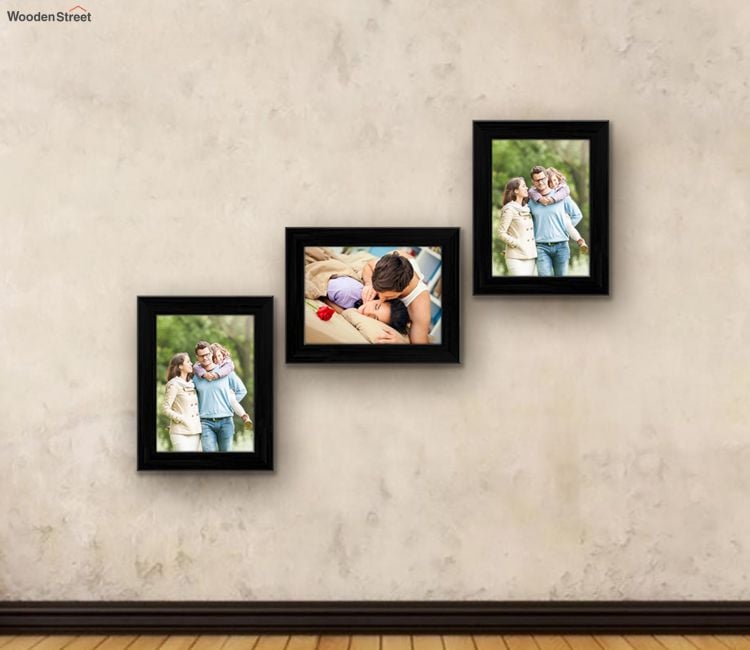
If you are dealing with a custom or irregular-sized photo, you may need to look for custom framing options. The frame should ideally be a snug fit to keep the picture in place and highlight its details without overwhelming it.
2. Consider the Purpose of the Frame
When selecting a frame, think about where it will be displayed and what kind of impact you want it to make. A large photo frame might be appropriate for a centerpiece in a room, while smaller frames may work well for a gallery wall or a desk. Frames can either draw attention to the photo or blend seamlessly into the décor, so choose one that aligns with your goals.
3. Matching Frame Size to Wall Space
One of the key aspects of selecting the right size photo frame is ensuring it complements the wall space. Here are some guidelines:
- Small frames (4x6, 5x7 inches): Best suited for tabletops, bookshelves, or small spaces. You can also group them together in a gallery wall arrangement.
- Medium frames (8x10, 11x14 inches): These work well as single focal points in modest-sized spaces, such as bedrooms or entryways.
- Large frames (16x20 inches and above): Perfect for expansive wall spaces, living rooms, or above furniture like sofas and beds. These frames make a bold statement.
Ensure the frame is not too small for a large wall or too large for a small space. Balance is essential in creating a visually appealing arrangement.
4. Frame Thickness and Matting
In addition to the size of the frame itself, consider the thickness of the frame border and whether you want to use matting (the paper-like border inside the frame that separates the picture from the frame). A thick frame or matting can add extra size to the overall display.
- Thin frames: Ideal for smaller pictures or when you want the photo to be the primary focus.
- Thick frames: These can add prominence to the photo and are better suited for larger images or artwork.
Matting, especially when used in contrast colors, can help highlight the picture and give it a gallery-like look. It can also make a smaller picture fit into a larger frame.
5. Think About Frame Orientation
Choosing between portrait (vertical) and landscape (horizontal) orientation will impact the size of the frame you need. Portrait frames are great for pictures of people, while landscape frames work well for landscapes, group photos, or artwork.
Additionally, square and panoramic frames are available for specific types of photos. Make sure the frame's size matches both the photo's orientation and its proportions to avoid any awkward cropping or extra white spaces.
6. Harmonize with Your Home’s Style
The style and color of the frame should match the room’s décor. While the size is crucial, the frame’s appearance plays a big role too. Choose frames that complement the style of your home:
- Minimalist interiors: Opt for sleek, simple frames with thin borders.
- Traditional interiors: Ornate or wooden frames with a thicker border can add elegance.
- Modern or eclectic spaces: Bold-colored frames or mix-and-match frame sizes work well.
Don’t be afraid to mix different sizes and styles in a gallery wall, but maintain some level of consistency (such as color or material) to avoid a cluttered look.
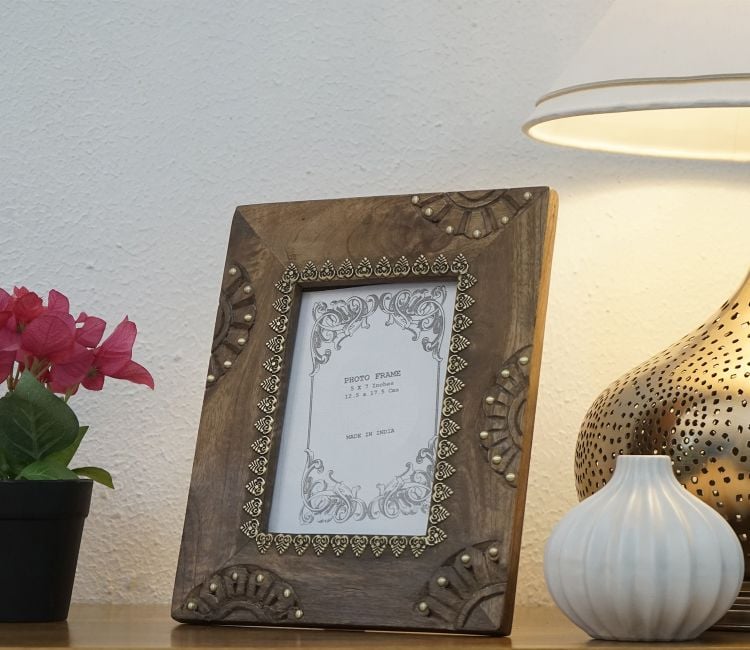
7. Measure Before You Hang
Once you have your frames, take the time to measure your wall and plan the arrangement. Use painter’s tape or paper templates to experiment with different configurations before hammering nails into the wall. This will help you visualize how the frames will look together and ensure the sizing is just right.
- Single frames: For individual frames, hang them at eye level, usually about 57 to 60 inches from the ground.
- Gallery walls: For a more dramatic effect, group different-sized frames together. Keep a consistent gap between each frame, usually around 2 to 3 inches.
8. Customize for Special Projects
For special projects, such as wedding photos, diplomas, or family portraits, consider customizing the frame to suit the photo’s importance. Large, matted frames add a formal touch, while small, decorative frames can make for thoughtful gifts. Custom frames allow you to match the photo and frame exactly to the dimensions and style you want.
Conclusion
Choosing the right size photo frame requires careful consideration of several factors: the size of the photo, the wall space, the overall style, and the purpose of the frame. By keeping these guidelines in mind, you can select a frame that not only fits your photo but also enhances its beauty and complements your home’s décor. Whether you're creating a gallery wall or framing a single cherished memory, the right frame size can make all the difference in showcasing your photos.