Choosing the right wooden cabinet for your home can be a daunting task, given the variety of styles, materials, and finishes available. A wooden cabinet not only serves a functional purpose by providing storage space but also enhances the aesthetic appeal of your home. This guide will help you navigate through the process of selecting the perfect wooden cabinet, focusing on essential factors such as wood type, design, size, and finish.
1. Determine the Purpose of the Cabinet
Before selecting a wooden cabinet, it is essential to determine its intended use. Different types of cabinets serve various functions, from storing kitchen essentials to organizing living room accessories or serving as a wardrobe in the bedroom. Knowing the purpose will guide you in choosing a design that meets your storage needs while complementing your home decor.
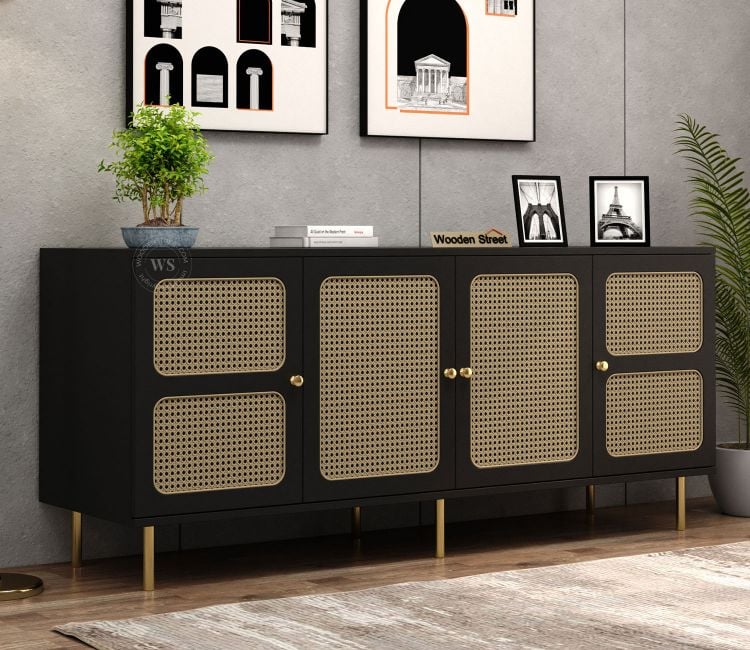
Key Considerations:
- Kitchen Cabinets: Opt for sturdy wood types like oak or maple that can withstand frequent use and exposure to moisture.
- Living Room Cabinets: Consider stylish designs that match your living room’s aesthetics, such as a sleek TV unit or a vintage-style display cabinet.
- Bedroom Wardrobes: Look for spacious designs with multiple compartments for clothes, shoes, and accessories.
2. Choose the Right Wood Type
The type of wood used in a cabinet significantly affects its durability, appearance, and cost. Here are some popular wood types to consider:
Common Wood Types:
- Oak: Known for its strength and durability, oak is a popular choice for cabinets that require a sturdy build.
- Maple: Maple offers a smooth texture and is ideal for modern designs. It is less porous, making it more resistant to moisture.
- Pine: A more affordable option, pine is light in color and weight. It’s great for those who prefer a rustic or vintage look.
- Cherry: Cherry wood has a rich color and smooth grain, perfect for traditional and formal settings.
- Walnut: With its dark, rich tones and unique grain patterns, walnut is ideal for high-end furniture.
3. Consider the Design and Style
The design of your wooden cabinet should align with your home’s overall decor. Whether you prefer a modern, minimalist look or a classic, ornate style, there are several options to choose from.
Popular Design Styles:
- Modern: Features clean lines, minimalistic design, and often incorporates glass or metal elements.
- Traditional: Includes detailed carvings and embellishments, with a focus on craftsmanship and durability.
- Rustic: Highlights the natural beauty of wood, often with distressed finishes and a handmade feel.
- Contemporary: Combines modern and traditional elements, often with innovative storage solutions and unique materials.
4. Measure Your Space
It is crucial to measure the space where the cabinet will be placed. This ensures that the cabinet fits perfectly without overcrowding the room. Consider the height, width, and depth of the cabinet, as well as the room’s layout and existing furniture.
Measurement Tips:
- Height: Make sure the cabinet is not too tall for the room and that it allows easy access to its contents.
- Width and Depth: Leave enough space around the cabinet for movement and other furniture.
- Placement: Consider placing cabinets against walls or in corners to maximize space usage.
5. Focus on Quality and Craftsmanship
The quality of craftsmanship is a critical factor in determining the longevity and aesthetic appeal of a wooden cabinet. Look for signs of good craftsmanship, such as dovetail joints, smooth drawer slides, and sturdy construction.
Craftsmanship Indicators:
- Joinery: Dovetail or mortise-and-tenon joints are strong and durable, while nails or staples may indicate lower quality.
- Finish: A high-quality finish will enhance the wood’s natural beauty and protect it from wear and tear.
- Hardware: Choose cabinets with solid, well-attached hardware that complements the cabinet’s style.
6. Select the Right Finish
The finish on a wooden cabinet can greatly affect its appearance and durability. From natural finishes that highlight the wood grain to painted finishes that offer a pop of color, the choice depends on your style preference and the cabinet’s intended use.
Types of Finishes:
- Natural: Showcases the wood’s grain and color, often using oil or wax.
- Stained: Adds color while still showing the wood grain, available in various shades.
- Painted: Offers a solid color finish that can match any decor style.
- Varnished or Lacquered: Provides a shiny, durable coating that protects the wood from moisture and scratches.
7. Set a Budget
Finally, establish a budget before purchasing a wooden cabinet. The cost can vary widely based on factors such as wood type, size, design, and craftsmanship. Setting a budget helps narrow down your choices and ensures you find a cabinet that meets your needs without overspending.
Budgeting Tips:
- Prioritize Needs: Determine what features are most important, such as wood type or design, and allocate your budget accordingly.
- Compare Prices: Shop around and compare prices from different retailers to find the best deal.
Conclusion
Choosing the right wooden cabinet involves careful consideration of several factors, including purpose, wood type, design, size, craftsmanship, finish, and budget. By taking the time to evaluate each of these aspects, you can find a cabinet that not only meets your storage needs but also enhances the beauty and functionality of your home. Remember, a well-chosen wooden cabinet is an investment that will add value and style to your living space for years to come.