A sofa is more than just a piece of furniture—it's where we relax after a long day, entertain guests, binge-watch our favorite shows, and sometimes even sneak in a quick nap. Given its importance in our everyday lives, choosing the right sofa can significantly impact both the comfort and aesthetics of your living space. However, many homeowners unknowingly make some common mistakes when selecting their sofa, leading to buyer’s remorse and unnecessary expenses. Let’s explore five of the most common pitfalls and how you can avoid them.
1. Ignoring Room Size and Layout
One of the most frequent mistakes people make is not considering the size and layout of the room before buying a sofa. A large, plush sectional might look inviting on the showroom floor, but it can easily overwhelm a small living room. Conversely, a compact two-seater may look lost in a spacious open-plan layout.
How to avoid it:
- Measure your living area accurately, including doorways, windows, and other furniture.
- Use masking tape to outline the dimensions of the sofa you’re considering to visualize how it will fit in the space.
- Factor in walkways and circulation paths to ensure the sofa doesn’t obstruct movement.
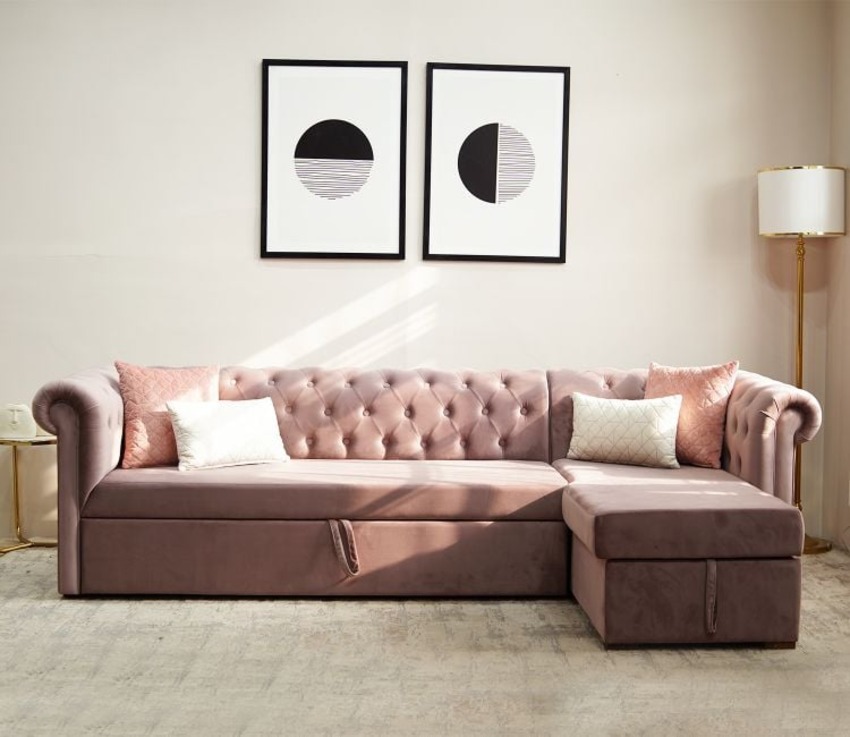
2. Choosing Style Over Comfort
We all want our furniture to look stylish and elevate our home décor, but comfort should never be compromised. Many people fall for trendy designs or striking upholstery without paying attention to ergonomics and support.
How to avoid it:
- Spend time sitting on the sofa in the store. Check the back support, seat depth, and cushion firmness.
- Think about how you plan to use the sofa—whether for lounging, working, or short seating spells—and choose accordingly.
- Don’t hesitate to ask about the material used for the frame, suspension, and cushions to ensure long-term comfort.
3. Overlooking Fabric and Material Choice
The fabric or material of the sofa set isn’t just about appearance—it plays a crucial role in durability and maintenance. Choosing the wrong fabric for your lifestyle can result in constant cleaning, wear and tear, or even early replacement.
How to avoid it:
- Consider your household: do you have kids, pets, or heavy usage? Opt for durable and stain-resistant fabrics like microfiber, leather, or performance blends.
- For a more luxurious look in a low-traffic area, velvet or silk may be appropriate.
- Always check if the fabric is easy to clean or if the cushion covers are removable and washable.
4. Not Considering Color and Pattern Practicality
It’s tempting to go bold with colors or patterns, but impulsive choices can clash with your existing décor or become outdated quickly. Light-colored sofas might look beautiful but can be challenging to maintain.
How to avoid it:
- Think long-term: choose neutral shades or timeless patterns that complement multiple color schemes.
- Use bold colors or trendy designs in accessories like throw pillows or blankets instead.
- Consider how lighting affects the color—you may love a shade in-store, but it might look completely different under your home lighting.
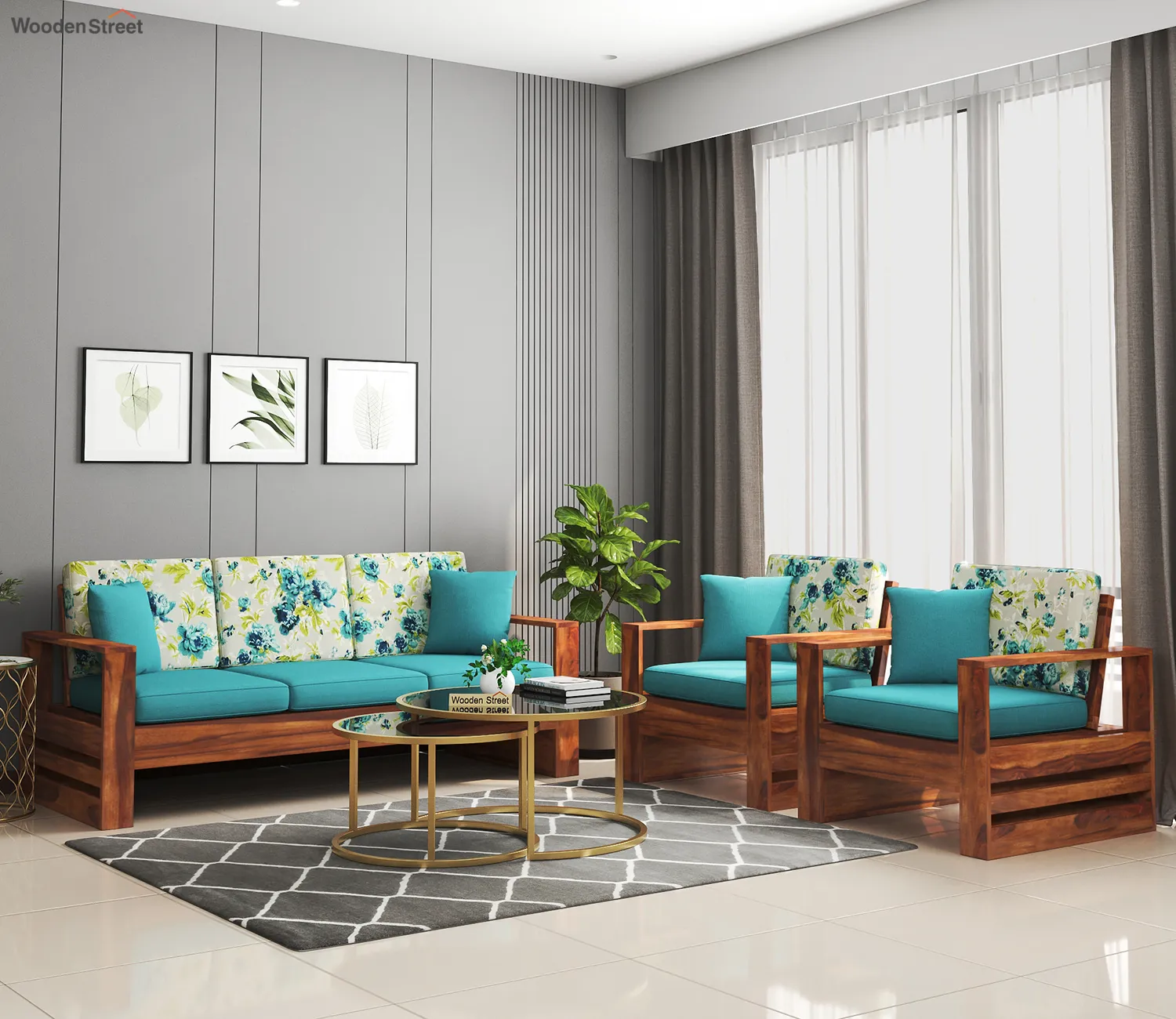
5. Forgetting About Functionality
While aesthetics and comfort are important, ignoring the practical aspects of a sofa can lead to inconvenience later. Factors like storage, convertibility, and maintenance often take a back seat during the buying process.
How to avoid it:
- If you have a small space, consider a sofa with built-in storage or a convertible model for overnight guests.
- Check how easy it is to move or clean around the sofa. Some models come with removable legs or lighter frames.
- Evaluate the build quality, especially if you need the sofa to last many years without sagging or creaking.
Final Thoughts
A well-chosen sofa can enhance your home's comfort, style, and functionality. But overlooking important considerations like space, material, comfort, and practicality can turn this major purchase into a costly mistake. By keeping these common errors in mind, you can ensure that your next sofa set will not only look good but also serve your needs for years to come.
Take your time to evaluate all aspects, do your research, and most importantly—test before you buy. Your living room deserves a centerpiece that reflects your lifestyle and supports your comfort every day.