
After years on the truck, you start to notice the same patterns. Families underestimate how long packing takes. Small business owners think they can move over a weekend and be open Monday morning. Seniors worry about what to keep, what to pass on, and how to handle heavy furniture safely. Local moves sound simple, but they’re rarely easy. Tight stairwells, narrow streets, last-minute schedule changes, and surprise heat waves can turn a calm plan into a stressful day. The moves that go best are the ones where people prepare for real-life obstacles instead of hoping everything goes smoothly.
Why Local Moving Demand Is Growing
The Sacramento region keeps shifting. Some homeowners are upsizing as families grow. Others are downsizing to reduce maintenance or move closer to healthcare and grandkids. Renters move more often than they expect, usually when leases change or commutes start eating into their week. Businesses relocate to cut overhead, get closer to customers, or find better parking for staff and deliveries.
These shifts mean local movers stay busy year-round, not just during summer. I’ve helped teachers move between school years, contractors relocate offices after landing new clients, and retirees move closer to medical centers. Each move comes with different pressures: timing, access, budget, and the emotional weight of change. The key is recognizing that even short-distance moves carry the same risks as long-distance ones—damaged items, delays, and exhaustion—if they’re rushed or poorly planned.
Climate & Regional Moving Considerations
Northern California brings its own challenges. Summer heat can sneak up on you, especially when you’re carrying boxes up stairs or loading a truck parked in full sun. Hydration and pacing matter more than people think. Winter rains can make cardboard boxes soften and driveways slick, so plastic bins and floor protection are smart choices.
Terrain and parking add another layer. Hilly streets, older neighborhoods with tight curb space, and apartment complexes with limited loading zones can slow everything down. Some buildings in Roseville and nearby Rocklin require advance notice for elevator use or parking permits. If you don’t plan for that, you lose time waiting instead of moving. Regional logistics—like school traffic patterns and weekend events—also affect move days. A good plan accounts for these realities before the first box is taped shut.
Residential Moving Needs
Homes and Apartments
Single-family homes bring space but often hide heavy items in garages and sheds. Apartments come with stairs, long hallways, and shared spaces that require courtesy and coordination. Either way, clear paths matter. I always advise clearing walkways the night before and setting aside a small “first-night” box with basics like chargers, medications, and toiletries.
Seniors, Families, and Downsizing
Seniors often need extra time and support. Downsizing means making decisions about furniture that’s followed them for decades. Families juggle kids’ schedules, school supplies, and bedtime routines while packing. Temporary housing adds another layer—what do you store, and what do you keep with you? Planning room by room keeps things manageable and reduces the chance of important items getting lost in the shuffle.
Business & Office Moving Solutions
Small Offices and Retail Spaces
Office moves look simple until you factor in cables, monitors, filing systems, and fragile equipment. Labeling by department instead of just room number speeds up setup on the other end. Retail spaces have display fixtures and inventory that can’t be tossed into random boxes without creating hours of rework later.
Scheduling Concerns
Downtime costs money. Many businesses aim for evenings or weekends to avoid lost sales and productivity. The challenge is coordinating keys, security access, and internet setup so staff can work the next business day. I’ve seen smooth transitions when owners schedule utilities and network hookups in advance and keep a checklist for reopening tasks.
What Makes a Moving Company Trustworthy
Trust isn’t about flashy trucks or slogans. It’s built on consistency. Experienced crews know how to protect door frames, wrap furniture properly, and communicate clearly when plans change. Insurance and licensing matter, but so does transparency about timing and potential risks. Damage prevention starts with honest expectations: tight staircases take longer, antique furniture needs extra padding, and weather can slow the process. When a mover explains these things upfront, clients can plan realistically and avoid frustration.
I’ve worked alongside outfits that cut corners, and it always shows in broken items and unhappy customers. The companies that last are the ones that treat every move—big or small—with the same care. That’s the standard I’ve seen upheld by Fuller Moving Services in day-to-day operations on local jobs.
Expert Packing & Moving Preparation Tips
Hands-On Packing Advice
Pack heavy items in small boxes and light items in large ones. It sounds backward, but it saves your back. Use towels and clothing to pad breakables. For dishes, wrap individually and stand them on edge like records; they’re less likely to crack that way.
Labeling Systems That Actually Work
Write the destination room and a quick contents note on at least two sides of every box. Color-coded tape by room helps movers place boxes correctly without asking you to direct traffic all day. Keep an inventory list on your phone so you can check off essentials as they arrive.
Day-of-Move Logistics
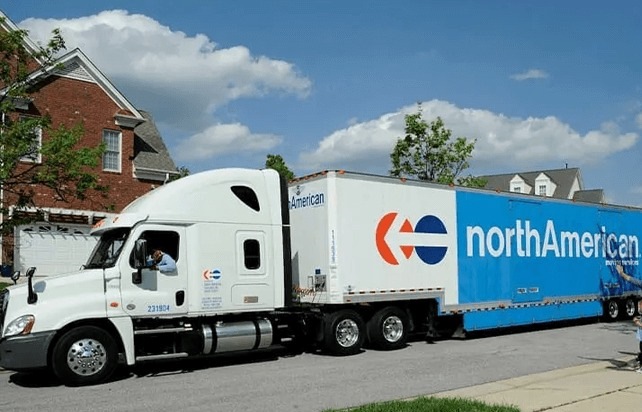
Set aside a clear path from door to truck. Reserve parking if needed. Keep pets and kids in a safe room or with a friend to reduce stress and accidents. Eat a solid breakfast—moving is physical work even if you’re not lifting the heaviest items. If you’re hiring a Moving Company Roseville residents trust, ask about arrival windows and how they handle unexpected delays. For businesses choosing a Rocklin Moving Company, confirm access times and building rules a week ahead to avoid last-minute surprises.
Damage Prevention
Protect floors with runners or cardboard. Remove doors from hinges if furniture barely fits through. Take photos of electronics wiring before unplugging so setup is easier later. These small steps save hours of frustration and reduce the chance of costly mistakes.
Soft Closing Paragraph
Local moves are about more than boxes and trucks. They’re about change, routines, and getting back to normal as quickly as possible. The smoother the preparation, the calmer the day feels. Whether you’re moving a household, a small office, or a shop full of inventory, steady planning and honest expectations go a long way. Most problems I’ve seen on move day could have been avoided with clearer labeling, better timing, and a little more patience. Treat the move like a project, not a chore, and you’ll start the next chapter with fewer headaches and more energy for settling in.