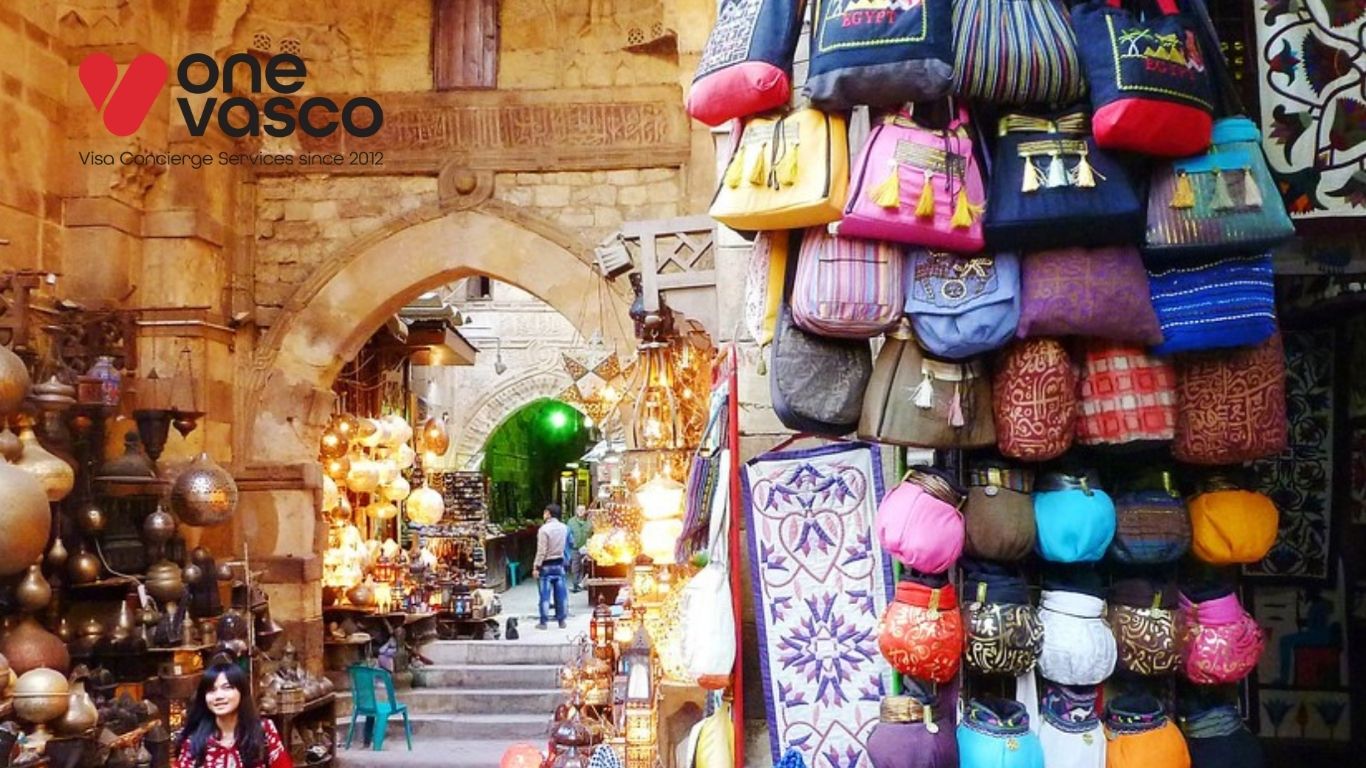
Egypt is a country rich in history, culture, and charm. While its pyramids, temples, and ancient wonders attract millions of visitors every year, one of the most delightful ways to experience the true essence of Egypt is by exploring its markets. From the buzzing streets of Cairo to the peaceful alleys of Aswan, the Markets in Egypt offer an unforgettable journey filled with colors, scents, sounds, and smiles.
These markets, locally known as souks, have been a part of Egyptian life for centuries. They are not just places to shop—they are places to connect with people, learn about traditions, and discover the creativity and craftsmanship of Egyptian artisans. Whether you're looking for exotic spices, handmade jewelry, colorful textiles, or unique souvenirs, Markets promise something for everyone.
Cairo’s Khan El Khalili – The Heart of Egyptian Souks
One of the most famous Markets in Egypt is Khan El Khalili in Cairo. This centuries-old market is located in the Islamic district of the city and is known for its vibrant atmosphere and rich heritage. As you walk through its narrow alleyways, you'll be greeted by the scent of incense, the gleam of brass lamps, and the warm call of merchants inviting you to explore their goods.
Khan El Khalili is the perfect place to buy handcrafted items such as traditional lamps, carpets, perfumes, silver jewelry, and even Egyptian cotton scarves. Don’t forget to try a cup of mint tea in one of the local cafés as you take a break from shopping.
Luxor’s Souk – A Blend of Tradition and Local Life
Luxor, known as the world’s greatest open-air museum, is also home to a beautiful local market that reflects its cultural richness. The Luxor Souk is more relaxed than Cairo’s busy bazaars, making it a great place to interact with friendly vendors and browse local goods at a slower pace.
Here, you can find alabaster vases, handmade galabeyas (Egyptian dresses), spices like hibiscus and cumin, and delicious dates and nuts. The prices are usually lower than in more touristy areas, and bargaining is part of the experience. This market gives a more local feel of offering both charm and authenticity.
Aswan’s Nubian Market – Colorful and Unique
Aswan's Nubian Market is another gem among the Markets in Egypt. Located near the Nile River, this market is filled with colorful stalls run by cheerful Nubian vendors. The products here have a distinct Nubian influence, from bright handwoven baskets to traditional spices and natural beauty products.
Visitors often come to the Nubian Market to buy henna, handmade jewelry, and souvenirs made from local materials. You’ll also find herbs used in traditional healing, along with beautiful Nubian art. This market stands out for its cultural uniqueness and warm hospitality.
Hurghada and Sharm El Sheikh – Coastal Shopping Delights
While these coastal towns are better known for their beaches and diving spots, they also have lively Markets that cater to both locals and tourists. In Hurghada, you’ll find a mix of traditional Egyptian products and items tailored for travelers. Leather goods, handmade jewelry, and embroidered clothes are popular buys.
Sharm El Sheikh’s Old Market, also known as the Sharm Old Souk, offers a traditional shopping experience in a resort city setting. It’s a great place to buy souvenirs, spices, shisha pipes, and decorative lamps. The market comes alive in the evenings, with colorful lights and friendly vendors eager to chat and share their stories.
What to Buy in Egyptian Markets?
When you visit Markets, you'll be tempted by a wide range of goods. Some of the most popular items include:
- Spices: Egypt is known for its flavorful and aromatic spices like cumin, cardamom, coriander, cinnamon, and hibiscus. These are often beautifully displayed and sold in bulk.
- Perfume oils: Egypt has a long tradition of perfume making. You can buy natural, alcohol-free oils in beautiful glass bottles.
- Papyrus art: Handmade paintings on papyrus sheets are a unique souvenir and come in various designs, often featuring ancient Egyptian symbols.
- Handmade crafts: From woven baskets to copper plates, Markets are full of items made by skilled local artisans.
- Textiles: Scarves, bed covers, and traditional clothing made from Egyptian cotton are soft, colorful, and make perfect gifts.
- Jewelry: Many markets have vendors selling handmade silver and gold jewelry inspired by ancient Egyptian designs.
Tips for Visiting Markets in Egypt
To make the most of your market experience in Egypt, here are some helpful tips:
- Bargain with a smile: Bargaining is expected and part of the fun. Start low, but always be respectful.
- Carry cash: Most small vendors don’t accept cards, so it’s best to have local currency on hand.
- Ask before taking photos: Some shopkeepers prefer privacy, so always ask if you want to take a picture of their stall or products.
- Stay aware of your surroundings: While markets are generally safe, they can be crowded, so keep your belongings secure.
- Try local snacks: Markets are a great place to taste local street food like falafel, koshari, or sweet pastries.
Why Explore Markets in Egypt?
Beyond shopping, Markets offer a deeper understanding of the country’s culture and people. Every stall tells a story. Every product reflects tradition. You can see families working together, artists creating beautiful crafts, and the joy of everyday life.
Markets are where history meets the present. They show how Egyptians blend old customs with modern life. Whether you’re walking through an ancient souk in Cairo or browsing coastal markets in Sharm El Sheikh, each experience leaves you with something unforgettable.
FAQs
Q1. Are the markets open every day?
Yes, most markets are open daily. Some close during religious holidays or for a few hours in the afternoon. Evening is usually the best time to visit for cooler weather and a lively atmosphere.
Q2. Can I use US dollars or euros in Egyptian markets?
It’s better to use the local currency, Egyptian pounds. Some tourist-heavy places may accept foreign currency, but the exchange rate won’t be favorable.
Q3. Are markets in Egypt safe for tourists?
Yes, they are generally safe. Like any crowded place, keep an eye on your belongings and be aware of your surroundings. Vendors are usually friendly and happy to help.
Q4. Is it necessary to bargain in Egyptian markets?
Yes, bargaining is common and expected. It’s a fun part of the shopping experience and can help you get a better deal.
Q5. What’s the best time of year to visit Egyptian markets?
The cooler months from October to April are ideal. During summer, markets can be hot and crowded, especially during midday.
Whether you're a history lover, a culture explorer, or just someone who enjoys discovering hidden treasures, the Markets in Egypt offer something truly magical. From ancient bazaars to seaside stalls, these markets blend tradition, art, and everyday life in a way that’s unforgettable.
Explore more of Egypt and its vibrant market culture with OneVasco.