Refrigerator gas leakage is one of the most serious problems a fridge can face. Unlike door or noise issues, gas leakage directly affects the cooling system and can quickly lead to total appliance failure if ignored. In Dubai’s hot climate, even a small refrigerant leak can cause rapid temperature loss, food spoilage, and sudden breakdowns that require Same day Fridge repair dubai services. This guide explains the most common signs of fridge gas leakage, why it happens, what you can safely observe at home, and when professional repair is essential.

Why Fridge Gas Leakage Is a Serious Problem
Refrigerant gas is the core element of a refrigerator’s cooling cycle. It absorbs heat from inside the fridge and releases it outside through the condenser coils. This process keeps your food fresh and the internal temperature stable. When gas leaks, the fridge loses its ability to remove heat efficiently. As a result, the compressor works harder, electricity consumption rises, and cooling performance drops sharply. In many cases, ignoring early signs turns a repairable issue into a costly compressor replacement.
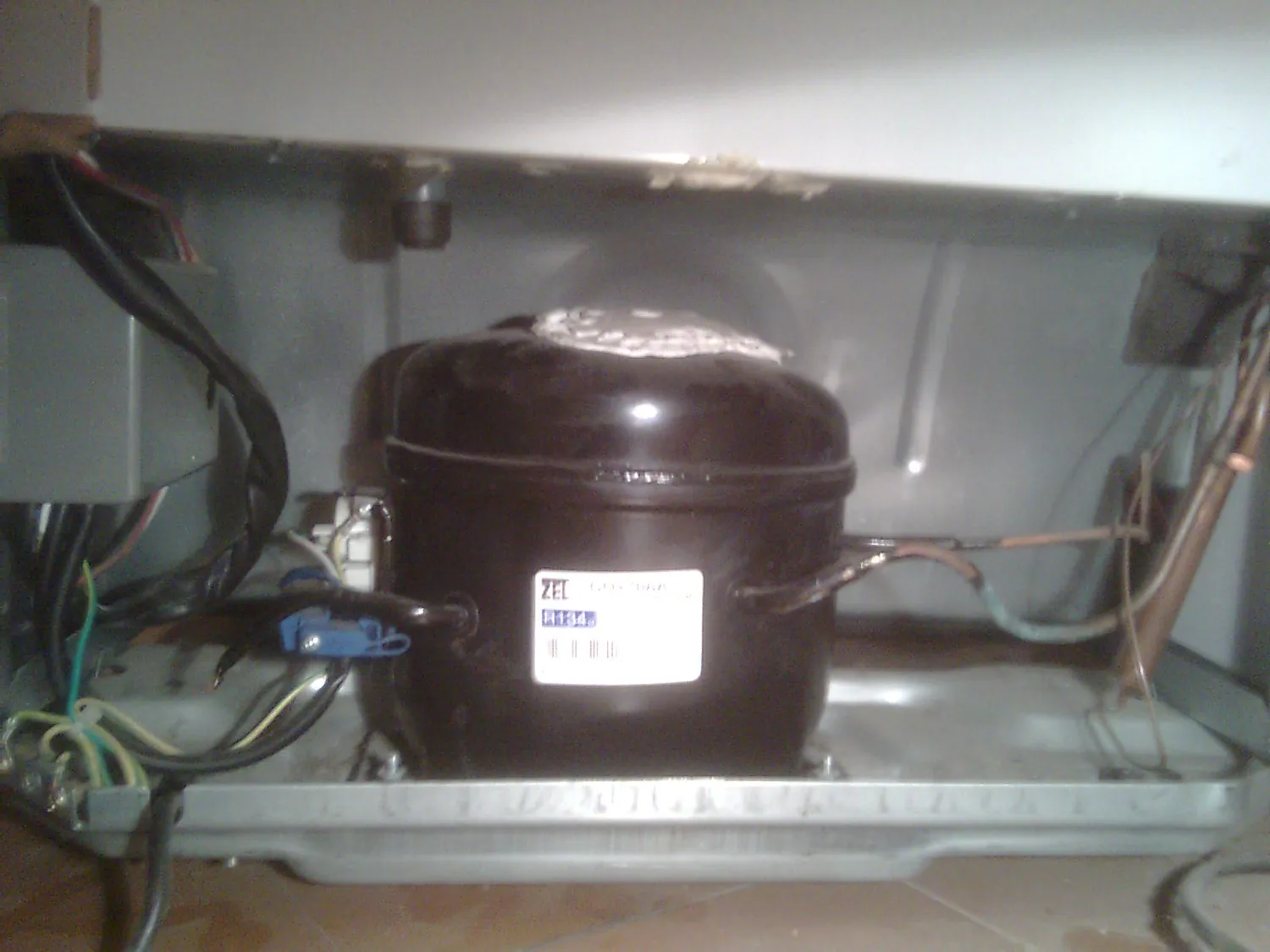
What Is Refrigerator Gas and Why It Matters
Refrigerator gas, also known as refrigerant, circulates in a sealed system of coils and pipes. It is not consumed during normal operation and should last the entire life of the appliance. If gas levels drop, it means there is a leak somewhere in the sealed system. This is not a maintenance issue it is a fault that must be repaired before refilling gas. Simply topping up refrigerant without fixing the leak is unsafe and ineffective.
Weak or No Cooling
The most obvious sign of fridge gas leakage is weak cooling. You may notice that the fridge section feels warmer than usual while the freezer struggles to maintain freezing temperature. In some cases, the freezer may still freeze slightly, but ice becomes soft or melts faster. As gas levels drop further, both compartments lose cooling completely. This gradual loss often misleads homeowners into adjusting temperature settings repeatedly, delaying proper repair.
Fridge Running Continuously
A fridge with low gas will often run nonstop. The compressor keeps working because the fridge never reaches the set temperature. You may notice that the fridge does not switch off for hours, even at night. This constant operation increases electricity bills and causes excessive wear on the compressor. Continuous running is one of the most common reasons people request Same day Fridge repair dubai, especially when cooling performance keeps getting worse.
Uneven Frost or Ice Build-Up
Another strong indicator of gas leakage is uneven frost formation inside the freezer. Instead of a thin, even layer of frost across the evaporator coil, ice may appear only on one small section while the rest remains dry. This happens because low refrigerant cannot circulate evenly through the system. In some cases, there may be no frost at all, which also points to gas loss.
Hissing or Bubbling Sounds
A faint hissing or bubbling sound from the back or inside the fridge can indicate gas escaping from a damaged pipe or joint. This sound may be brief and not continuous, making it easy to miss. However, any unusual sound combined with poor cooling should be taken seriously. If you hear hissing, do not attempt to locate the leak yourself. Refrigerant systems are sealed and require professional tools to inspect safely.
Chemical or Unusual Smell
Some refrigerants produce a mild chemical smell when they leak. This Odor is usually faint and may be noticeable only near the fridge or ventilation area. Not all gas leaks produce a strong smell, so the absence of Odor does not rule out leakage. However, if you notice a strange smell along with cooling problems, professional inspection is strongly advised.
Compressor Overheating
Low refrigerant forces the compressor to work harder to compensate for lost cooling capacity. Over time, this causes overheating. You may feel excessive heat at the back of the fridge near the compressor area. The fridge may also make louder humming noises than usual. Prolonged compressor overheating can lead to complete compressor failure, which is one of the most expensive fridge repairs.
Food Spoiling Faster Than Normal
Gas leakage often causes unstable temperatures rather than complete cooling loss at first. This results in food spoiling faster even though the fridge appears to be running. Milk may sour quickly, vegetables may wilt, and frozen items may partially thaw and refreeze. These fluctuations are harmful to food safety and indicate a serious cooling issue.
Common Causes of Fridge Gas Leakage
Gas leakage does not happen randomly. It is usually caused by physical or chemical damage to the sealed system. Corrosion is a major cause, especially in older fridges. Moisture and age can weaken metal coils over time. Physical damage during cleaning or moving the fridge can puncture pipes. Poor-quality previous repairs may also damage joints or welds. In some cases, manufacturing defects or long-term vibration can lead to micro-cracks in refrigerant lines.
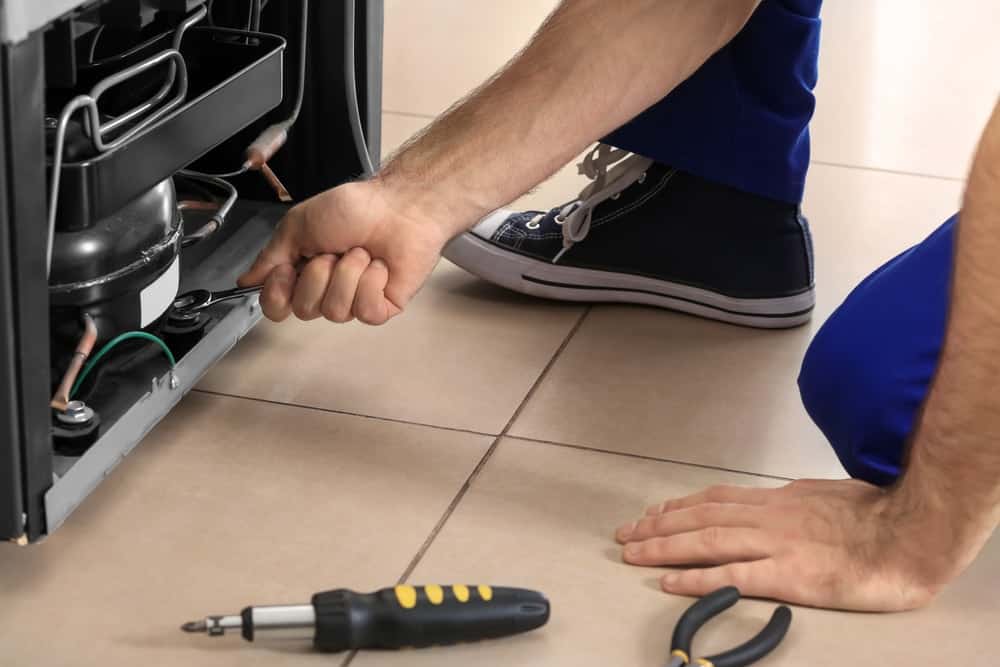
What You Can Check at Home Safely
Homeowners should never attempt to handle refrigerant gas, but there are a few safe observations you can make. Monitor cooling performance over 24 hours. Check whether the fridge reaches the set temperature. Observe frost patterns in the freezer. Listen for unusual sounds and feel excessive heat near the compressor. If multiple warning signs appear together, gas leakage is likely.
Dangers of Ignoring Fridge Gas Leakage
Ignoring gas leakage has serious consequences. Cooling will continue to decline until the fridge stops working completely. The compressor may burn out due to constant strain. Electricity bills will increase significantly. Repeated overheating can damage electrical components. There are also environmental risks associated with leaking refrigerant, and improper handling can be unsafe.
How Technicians Confirm Gas Leakage
Professional technicians use specialized methods to confirm gas leakage accurately. They perform pressure testing to check refrigerant levels, nitrogen testing to locate leaks, and electronic detectors to identify escaping gas. Soap bubble testing may be used on exposed joints. Visual inspection of coils helps identify corrosion or damage. These procedures are commonly performed by fridge repair dubai al quoz specialists who are trained to handle refrigerant systems safely.
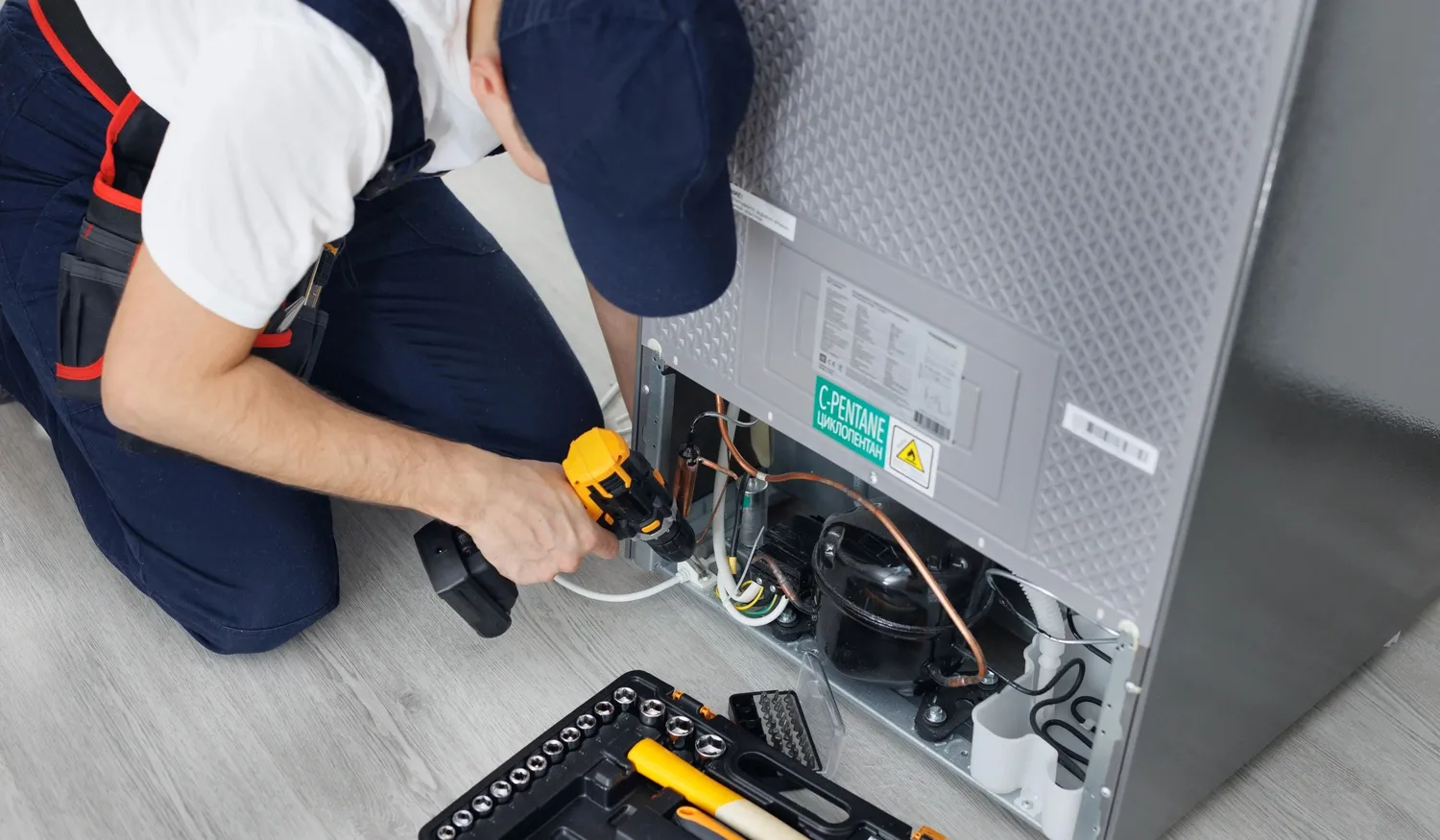
Professional Repair Process for Gas Leakage
Repairing gas leakage involves several precise steps. First, the technician locates and seals the leak or replaces the damaged component. The system is then vacuumed to remove air and moisture. After that, the correct type and quantity of refrigerant is refilled. Finally, the fridge is tested for cooling performance, pressure stability, and safety. Skipping any of these steps can result in repeat leakage.
Repair vs Replacement What’s the Better Option?
Whether repair is worthwhile depends on several factors. Newer fridges with a healthy compressor are usually worth repairing. Older units with repeated leaks or compressor damage may be better replaced. A technician can assess the condition of the sealed system, compressor efficiency, and overall cost before recommending repair or replacement.
How to Prevent Fridge Gas Leakage
Preventive care reduces the risk of gas leakage. Avoid using sharp tools when cleaning ice buildup. Move the fridge carefully during relocation. Keep coils clean to prevent corrosion. Address cooling problems early before they strain the system. Regular servicing helps detect early signs of leakage before major damage occurs.
If your fridge shows signs of gas leakage such as poor cooling, nonstop operation, or overheating, Fast Home Appliance Repair provides expert Same day Fridge repair dubai with safe leak detection and professional refrigerant handling. Our experienced technicians also serve fridge repair dubai al quoz, delivering fast, reliable, and long-lasting repair solutions across Dubai.
Conclusion
Fridge gas leakage is a serious issue that directly affects cooling performance, energy efficiency, and appliance lifespan. Common signs include weak cooling, continuous running, uneven frost, compressor overheating, and food spoilage. While some observations can be made at home, gas leakage always requires professional repair. Acting early prevents compressor failure and avoids expensive replacement. Timely diagnosis and repair ensure your fridge operates safely and efficiently, especially in Dubai’s demanding climate.
FAQs
How to know if fridge gas is leaking?
- Oily residue on the floor, back of the fridge, or near the compressor tubing.
- Fridge is running constantly but not cooling properly.
- Hissing or bubbling sound (especially when the compressor turns on).
- A faint chemical smell (though modern refrigerants like R600a are mostly odorless).
What are the symptoms of fridge gas?
- Mild exposure – dizziness, nausea, shortness of breath.
- Moderate exposure – headaches, coughing, vomiting, and irritation of the throat, eyes, and ears.
- Severe exposure – confusion, seizures, loss of consciousness, even sudden death.
How to know if a fridge is out of gas?
- Temperature drop.
- Increased energy consumption. The second sign is an increase in energy consumption. ...
- Ice or frost formation.
- Unusual Noises.