In today's rapidly evolving business landscape, sustainability has emerged as a critical imperative for companies across industries. As consumer demand for eco-friendly products and services continues to rise, organizations are actively seeking ways to minimize their environmental impact while maintaining operational efficiency. One area that offers immense potential for sustainable transformation is the realm of intermodal transportation.
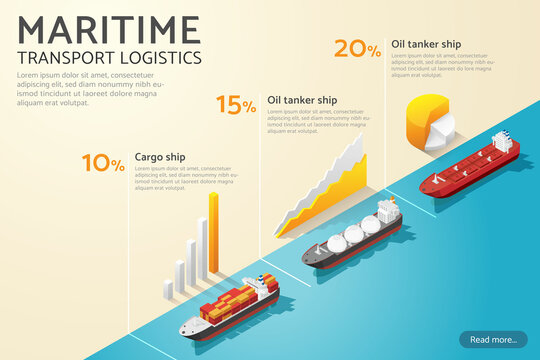
Intermodal transportation, the seamless movement of freight using two or more modes of transportation, such as trucks, trains, and ships, presents a unique opportunity to optimize logistics operations while reducing carbon emissions and promoting environmental stewardship. By leveraging the strengths of different transportation modes, intermodal solutions can significantly enhance sustainability throughout the supply chain.
The Environmental Advantages of Intermodal Transportation
At the core of intermodal sustainability lies the ability to shift freight from road-only transportation to a combination of modes, particularly rail and maritime. This modal shift offers several environmental benefits:
- Reduced Greenhouse Gas Emissions: Freight trains and ships are generally more fuel-efficient than trucks, resulting in lower greenhouse gas emissions per ton-mile of cargo transported. By utilizing these modes for a portion of the journey, intermodal transportation can substantially reduce overall emissions associated with freight movement.
- Improved Air Quality: Fewer trucks on the road translate to lower levels of particulate matter and other air pollutants, improving air quality in urban areas and along major transportation corridors. This benefit has direct positive implications for public health and the environment.
- Decreased Congestion: Intermodal transportation helps alleviate road congestion by diverting a portion of freight traffic to rail and waterways. Reduced congestion not only improves traffic flow but also minimizes idling emissions from vehicles caught in gridlock.
- Efficient Land Use: Railroads and waterways have a smaller physical footprint compared to highways, making more efficient use of available land resources and reducing the need for additional infrastructure development.
Driving Sustainability through Intermodal Innovation
While intermodal transportation inherently offers environmental advantages, various stakeholders are actively pursuing innovative solutions to further enhance its sustainability credentials:
- Electrification of Rail and Port Operations: The adoption of electric-powered locomotives, cranes, and yard equipment is gaining momentum, significantly reducing emissions and noise pollution associated with rail and port operations.
- Alternative Fuel Adoption: The trucking industry is exploring the use of alternative fuels, such as biodiesel, compressed natural gas (CNG), and liquefied natural gas (LNG), to power the drayage operations that connect intermodal facilities to other modes of transportation.
- Optimization of Intermodal Networks: Advanced logistics software and data analytics are being employed to optimize intermodal networks, ensuring the most efficient routing and mode selection for freight movements. This optimization can lead to reduced fuel consumption, emissions, and overall transportation costs.
- Sustainable Infrastructure Development: New intermodal facilities and transportation infrastructure are being designed and constructed with sustainability in mind, incorporating energy-efficient lighting, water conservation measures, and the use of eco-friendly building materials.
- Collaboration and Modal Shift Incentives: Governments, transportation companies, and logistics providers are collaborating to incentivize and facilitate the shift from road-only transportation to intermodal solutions, particularly for long-haul freight movements.
Overcoming Barriers and Fostering Sustainable Growth
While the benefits of intermodal sustainability are compelling, the industry faces several challenges that must be addressed to fully realize its potential:
- Infrastructure Modernization: Many existing rail lines, ports, and intermodal facilities require modernization and upgrades to operate more efficiently and accommodate the growing demand for intermodal services.
- Regulatory Harmonization: Inconsistent regulations and policies across different regions and countries can hinder the seamless integration of intermodal transportation modes, hindering the adoption of sustainable practices.
- Technology Adoption: The integration of advanced technologies, such as automation, IoT sensors, and real-time data sharing, is still lagging in some areas of the intermodal supply chain, limiting the potential for optimization and efficiency gains.
- Modal Capacity Balancing: Imbalances in the availability and capacity of different transportation modes can lead to inefficiencies and underutilization of resources, negating some of the potential sustainability benefits.
- Stakeholder Collaboration: Achieving true intermodal sustainability requires collaboration and alignment among various stakeholders, including transportation providers, shippers, regulatory bodies, and local communities. Overcoming siloed thinking and fostering a shared vision can be challenging.
Despite these challenges, the opportunities for intermodal sustainability are vast and hold the potential to drive transformative change within the logistics industry. As consumer demand for environmentally-friendly products and services continues to grow, companies that embrace sustainable intermodal transportation practices will not only contribute to a greener future but also gain a competitive advantage in the marketplace.
Furthermore, advancements in technologies such as automation, IoT, and data analytics will play a crucial role in optimizing intermodal operations, reducing inefficiencies, and minimizing environmental impacts. Innovations in alternative fuels, electric propulsion systems, and sustainable infrastructure development will further enhance the sustainability credentials of intermodal transportation.
Governments and regulatory bodies also have a pivotal role to play in fostering an environment conducive to intermodal sustainability. By harmonizing regulations, providing incentives for modal shifts, and investing in infrastructure upgrades, policymakers can accelerate the adoption of sustainable intermodal practices and drive industry-wide transformation.
In conclusion, intermodal transportation represents a powerful solution for sustainable logistics operations. By leveraging the inherent advantages of combining multiple modes of transportation and embracing innovative solutions, intermodal sustainability can become a reality, reducing emissions, conserving resources, and promoting a healthier environment for generations to come. It is up to all stakeholders in the supply chain, including logistics providers, shippers, technology companies, and policymakers, to collaborate, innovate, and drive this transformation, ensuring that the economic and environmental benefits of intermodal transportation are fully realized. Embracing intermodal sustainability is not just a business imperative but a collective responsibility, shaping a future where efficient logistics and environmental stewardship go hand in hand.