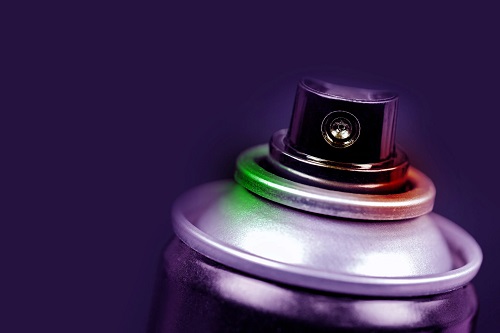
At first glance, aerosol cans might seem like an odd choice for creating art. Most of us are accustomed to thinking of these cans in terms of graffiti or quick DIY touch-ups. But, with the rising popularity of eco products and sustainable artistry, spray paint art has emerged as a mesmerizing medium, enabling artists to create sweeping landscapes, captivating galaxies, and intricate designs with just a few quick spritzes.
1. A Brief Stint with History:
Spray paint art owes its roots to Mexican street performers from the 1980s. They'd wow audiences by conjuring up beautiful landscapes in mere minutes. From these humble beginnings, the art form has exploded across the world, with artists adapting and evolving techniques to suit their unique visions.
2. The Tools of the Trade:
While the primary tool is the aerosol can, that's just the tip of the iceberg. Artists also utilize a variety of tools – from newspapers to spatulas, plates, and even their own hands – to manipulate and shape the paint on their canvas. And speaking of canvas, while many prefer traditional ones, others get creative using materials like wood, metal, or even glass.
3. It’s All in the Technique:
What's fascinating about spray paint art is the myriad of techniques artists employ. Layering is crucial; creating depth and texture as colors blend, intersect, and overlay. Some artists employ a “fire technique,” where a small flame is introduced to make the paint bubble and create a unique texture. Others might use crumpled paper to dab away wet paint, resulting in a mottled, textured appearance.
4. Sustainability and Artistry Combined:
With the growing consciousness around the environment, many artists now lean towards eco products. These aerosol paints are not only less harmful to our planet but also offer a vibrant range of colors. Plus, they're often water-resistant, quick-drying, and less prone to dripping – making them perfect for this art form.
5. Learning the Craft:
Spray paint art might look complex, but with practice, anyone can give it a go. There are plenty of online tutorials and workshops that guide budding artists through the basics. Starting with simpler designs and gradually moving to intricate pieces can make the learning curve smoother. And remember, every mistake is just a new layer in your masterpiece.
6. From Street to Studio:
While its origins are firmly rooted in street performance, spray paint art has found its way into galleries, exhibitions, and homes. The speed with which these pieces come to life makes it a favorite at live art events. Plus, the glossy finish and vivid colors ensure they stand out, whether on a street corner or a living room wall.