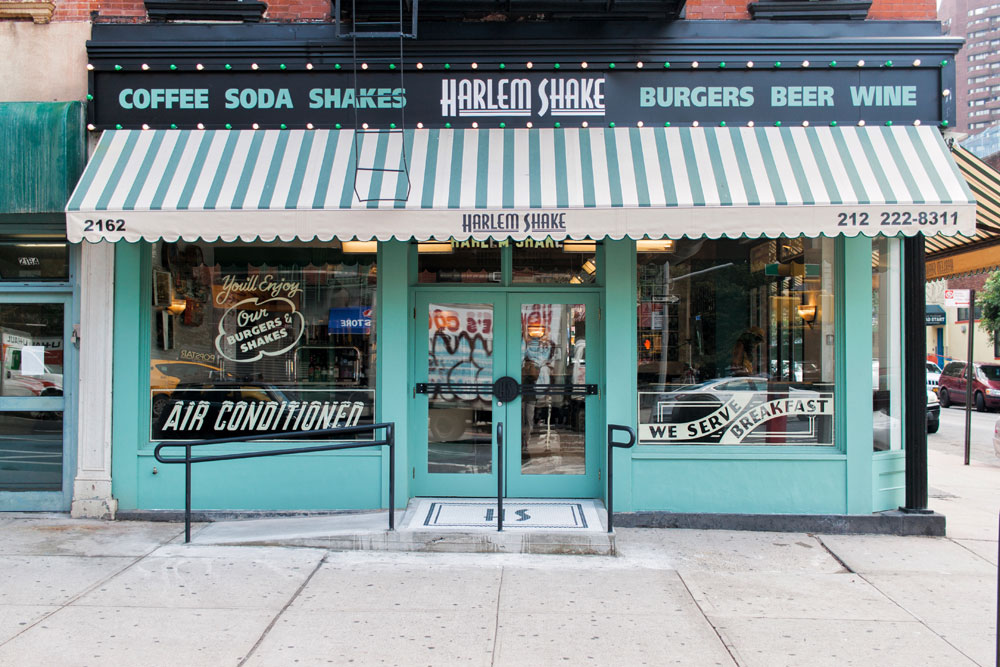
Franchising a diner business can be an exciting and profitable venture, but it requires careful consideration and thorough research. Before committing to a franchise agreement, it's crucial to ask the right questions to ensure you are making a well-informed decision. Here are five essential questions to ask before franchising a diner business.
1. What is the Financial Investment Required?
Understanding the full financial commitment is crucial before diving into a diner franchise. Ask about the initial franchise fee, ongoing royalty fees, and any additional costs such as equipment, inventory, marketing, and renovations.
Key Points to Consider:
- Initial Franchise Fee: This is the upfront cost you pay to the franchisor for the right to operate under their brand.
- Ongoing Fees: These can include royalty fees (a percentage of your sales), marketing fees, and other contributions to national advertising funds.
- Startup Costs: These include expenses for equipment, furniture, initial inventory, and any leasehold improvements.
- Working Capital: Ensure you have enough working capital to cover operational costs until the business becomes profitable.
By understanding these financial requirements, you can better assess whether the franchise aligns with your budget and financial capabilities.
2. What Kind of Training and Support is Provided?
A significant benefit of franchising is the training and support provided by the franchisor. This can make a huge difference in the success of your business, especially if you are new to the diner industry.
Questions to Ask:
- Initial Training: What does the initial training program cover, and how long does it last? Does it include both theoretical and practical components?
- Ongoing Support: What kind of ongoing support does the franchisor provide? This can include marketing assistance, operational support, and regular check-ins.
- Technology and Systems: Will you receive training on the point-of-sale (POS) system, inventory management, and other operational technologies?
- Staff Training: Does the franchisor offer training programs for your employees to ensure consistent service standards?
Understanding the extent of training and support can help you gauge how well-prepared you will be to run your diner successfully.
3. What is the Franchise's Track Record and Reputation?
Research the franchisor's track record and reputation in the market. This can provide insights into the potential success and challenges you might face as a franchisee.
Key Points to Investigate:
- Franchisee Satisfaction: Speak with current and former franchisees to understand their experiences. Are they satisfied with the support and profitability?
- Success Rate: What percentage of franchisees have succeeded, and what percentage have failed? Understanding the success rate can help you assess the risk.
- Brand Reputation: Research the brand's reputation among customers. A strong, positive brand image can drive more traffic to your diner.
- Growth History: How has the franchise network grown over the years? Consistent growth can indicate a healthy and well-managed franchise system.
By evaluating the franchisor's track record, you can better understand the potential for success and the challenges you may encounter.
4. What are the Terms of the Franchise Agreement?
The franchise agreement is a legally binding document that outlines the rights and responsibilities of both the franchisor and franchisee. It's crucial to understand these terms thoroughly before signing.
Key Elements to Review:
- Length of Agreement: How long is the initial term of the franchise agreement, and what are the conditions for renewal?
- Territory Rights: Will you have exclusive rights to a specific territory, or will there be other franchisees in close proximity?
- Termination Clauses: Under what circumstances can the franchisor terminate the agreement, and what are the consequences?
- Exit Strategy: What options do you have if you decide to sell or exit the business? Are there any restrictions or fees?
Having a clear understanding of the franchise agreement will help you avoid potential legal issues and ensure you know your rights and obligations.
5. What is the Potential for Profitability and Growth?
Finally, assess the potential for profitability and growth. This includes understanding the market demand, competition, and financial projections.
Key Factors to Consider:
- Market Analysis: Is there sufficient demand for a diner in your chosen location? Consider factors such as foot traffic, demographics, and local competition.
- Financial Projections: What are the projected revenues and expenses? Review the franchisor's financial performance representations (FPRs) and speak with existing franchisees to get a realistic picture.
- Growth Opportunities: Are there opportunities for expansion, such as opening additional locations or adding new services?
- Breakeven Point: How long does it typically take for a franchisee to reach the breakeven point and start making a profit?
By thoroughly analyzing the profitability and growth potential, you can make an informed decision about whether franchising a diner business is the right investment for you.
Franchising a diner business can be a rewarding and profitable venture, but it requires careful consideration and thorough research. By asking these five critical questions about financial investment, training and support, the franchisor's track record, the terms of the franchise agreement, and the potential for profitability and growth, you can make a well-informed decision and increase your chances of success. With the right preparation and due diligence, you can embark on a fulfilling journey as a diner franchisee.