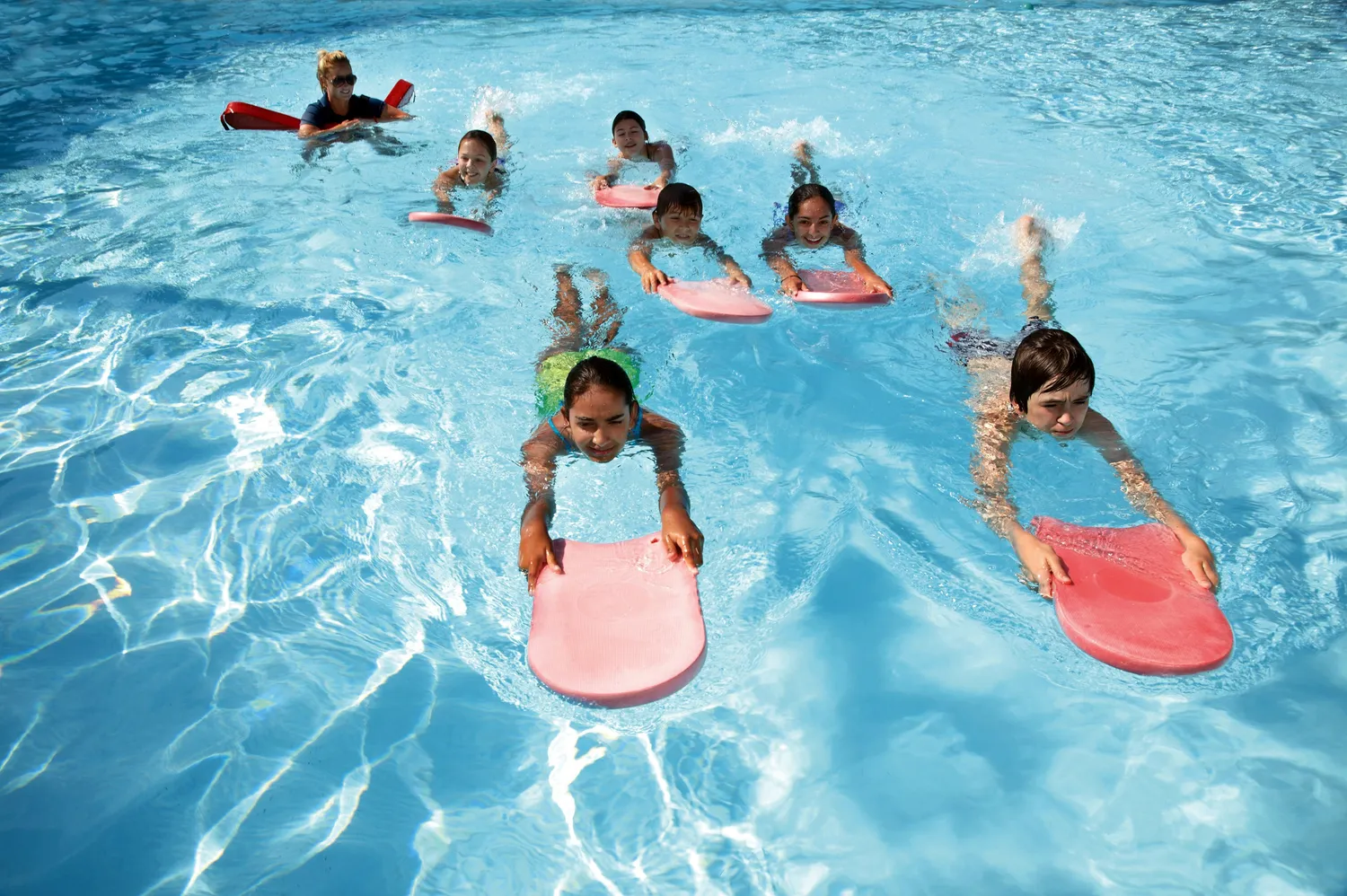
Swimming is more than a recreational activity—it’s a powerful tool that supports physical, emotional, and social growth in children. From mastering their first float to learning proper strokes, each milestone in the water contributes to a child’s overall development and builds a foundation of confidence that carries into every part of life.
Physical Growth Through Movement
Swimming is one of the most effective full-body exercises for children. It promotes cardiovascular health, strengthens muscles, and enhances coordination and balance. Unlike many land-based activities, swimming is low-impact, making it ideal for young, developing bodies. Regular swim lessons can also improve fine and gross motor skills, laying the groundwork for lifelong physical fitness.
Boosting Cognitive and Emotional Development
The structure and routine of swim lessons help children improve their focus, discipline, and listening skills. Following instructions, practicing repetition, and engaging in goal-oriented tasks in the water stimulates cognitive development in ways that are both challenging and fun. Emotionally, swimming helps reduce anxiety, especially for children who may be shy or uncertain. The gradual process of learning how to control their movements and breath in the water creates a sense of security and emotional resilience.
Confidence, One Splash at a Time
Few moments are more memorable for a child than realizing they can float or swim across the pool on their own. These small victories are confidence builders. As children progress, they learn to trust their own abilities and push past perceived limits—skills that are just as valuable outside the pool as in it.
Group lessons also offer a safe space to socialize, practice teamwork, and celebrate peer achievements. The support of patient instructors and encouraging classmates creates an environment where confidence thrives.
A Ripple Effect Into Everyday Life
Children who swim regularly tend to show improved performance in school, greater emotional balance, and more social engagement. Parents often report that swim lessons help with sleep routines, reduce hyperactivity, and foster a healthy sense of independence.
Because of this, swim education is increasingly being recognized as an essential part of early childhood development—not just an optional extracurricular.
Creating Environments That Shape Young Lives
Communities that offer access to high-quality swim education provide more than a safety net—they empower children with life skills that stay with them forever. If you’ve ever considered creating a positive impact through youth development, opening a swim school can be a meaningful and rewarding way to do just that.