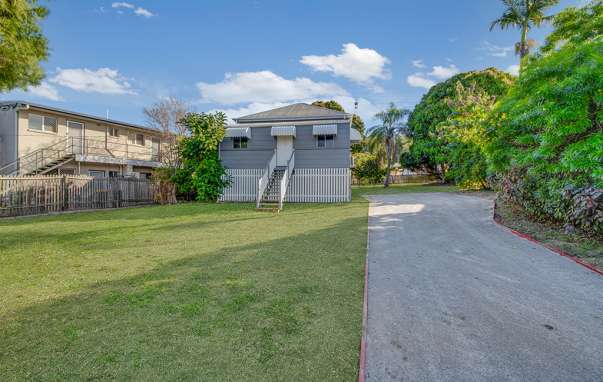
Selling a home is a major financial transaction, and many homeowners are tempted to go it alone to save on commission fees. However, while selling without an agent—commonly referred to as FSBO (For Sale By Owner)—can be appealing, it does come with significant risks. Understanding the differences in the Agent vs FSBO comparison helps reveal why many sellers still choose to work with professionals.
Limited Market Exposure
One of the greatest challenges FSBO sellers face is limited marketing reach. Real estate agents typically have access to multiple listing services (MLS), professional photography, staging contacts, and advertising platforms that generate more interest from serious buyers. The marketing capabilities of agents go beyond just putting up a “For Sale” sign and posting online. They leverage social media, local networks, email databases, and real estate platforms to attract a larger pool of potential buyers.
By contrast, FSBO sellers often rely on a few free online listings and word-of-mouth, which may not reach the most qualified or ready-to-buy audience. With reduced exposure, your property may take longer to sell or attract fewer competitive offers.
Incorrect Pricing
Pricing a home correctly is crucial. Overpricing deters buyers, while underpricing results in lost revenue. Real estate agents use comparative market analysis (CMA) tools and have up-to-date local market knowledge to set accurate and strategic prices.
In contrast, FSBO sellers frequently rely on outdated data or emotional attachment when pricing their homes. This leads to pricing errors that can delay sales or leave money on the table. As shown in many Agent vs FSBO comparison studies, properties listed with agents tend to sell for more on average, even after accounting for commissions.
Legal Risks and Contract Errors
Selling a property involves legally binding contracts and complex documentation. Without an agent or legal advisor, FSBO sellers are more likely to make errors or overlook critical clauses in the contract. These mistakes can expose sellers to potential lawsuits or financial liabilities.
From disclosure obligations to settlement terms, a licensed agent understands the fine print and ensures compliance with local and state regulations. FSBO sellers must invest in legal support or risk violating disclosure laws, misrepresenting property conditions, or mishandling deposits.
Poor Negotiation Outcomes
Negotiation is an art, and experienced agents know how to get the best possible deal for their clients. They act as neutral intermediaries, which helps keep emotions in check and conversations focused on outcomes.
FSBO sellers often lack negotiation experience and may be too emotionally attached to the property to remain objective. They might accept lowball offers out of frustration or reject reasonable ones out of sentiment. Without professional guidance, these decisions can result in lost value or a failed sale.
Time and Stress
Selling a home is time-consuming. From managing inquiries and scheduling viewings to handling open houses and responding to offers, the process demands a lot of attention and effort.
Real estate agents handle these tasks on behalf of sellers, providing convenience and expertise. On the other hand, FSBO sellers must manage all aspects of the sale themselves while juggling work, family, and other responsibilities. The stress and time commitment involved often outweigh the potential savings.
Lack of Professional Presentation
First impressions matter in real estate. Agents know how to present homes in the best light, using staging, professional photography, and strategic messaging. These presentation tactics help highlight the property's strengths and hide its weaknesses.
Most FSBO sellers don’t have access to or experience with these techniques, which can make their property less appealing to buyers. The lack of polish in listing photos or poorly worded descriptions can significantly reduce buyer interest.
Why Consider Professional Help?
The brand For Sale By Home Owner offers a hybrid approach to real estate, giving homeowners the tools to list their properties without traditional agent commissions. However, even with these tools, sellers should consider the value that agents bring when evaluating their options.
In the Agent vs FSBO comparison, the balance of risk and reward often leans toward professional representation, especially when dealing with high-value properties or complex markets.
Final Thoughts
While selling your home without an agent might save you money on commission, the potential risks—including underpricing, legal exposure, poor marketing, and added stress—can cost far more in the long run. The marketing capabilities of agents and their experience in negotiation, legal documentation, and market analysis often lead to smoother and more profitable transactions.
If you're considering going it alone, weigh your options carefully. Using a resource like For Sale By Home Owner can offer support, but understanding the risks will help you make the best decision for your situation.