Taking the step to become a landlord without a real estate agent is empowering, but it also comes with responsibilities. To successfully lease your property step-by-step, you need to stay organized, informed, and prepared. A DIY landlord checklist ensures that you manage everything professionally while saving on agent fees. If you're listing your property through For Sale By Home Owner, this guide will walk you through all the essentials.
Understand Your Legal Obligations
Before anything else, understand your responsibilities under your state or territory’s tenancy laws. These laws cover safety, documentation, and dispute resolution. Familiarise yourself with bond requirements, notice periods, and tenant rights. This legal knowledge sets the foundation for everything else in your DIY landlord checklist.
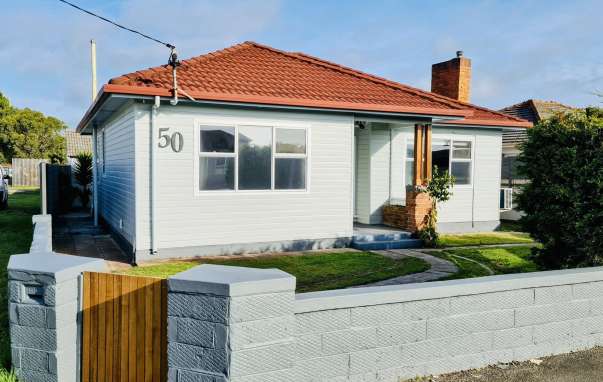
Prepare the Property for Tenancy
To attract quality tenants, ensure the property is clean, functional, and safe. Check the condition of:
- Smoke alarms
- Locks and keys
- Electrical and plumbing systems
- Appliances (if included in the lease)
If anything is faulty or worn out, fix it before advertising. A well-maintained property not only attracts better tenants but also protects you from future legal issues.
Set a Competitive Rent Price
Research current rental prices in your suburb. Look at comparable listings, especially those on platforms like For Sale By Home Owner. Pricing too high may scare tenants off, while pricing too low could mean losing out financially. Use an average figure from similar properties as a starting point.
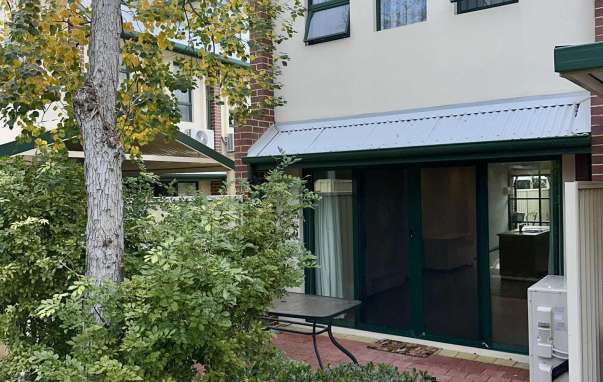
Take Quality Photos and Write an Effective Listing
When you lease your property step-by-step, presentation is key. Use natural light and declutter each room before taking photos. Write a clear description that highlights key features, such as air conditioning, nearby schools, or pet-friendly options. Post the listing on For Sale By Home Owner to reach renters directly, saving money on traditional marketing methods.
Screen Tenants Thoroughly
Screening tenants is one of the most critical steps in your DIY landlord checklist. You should:
- Request a rental application
- Conduct reference checks (previous landlords and employers)
- Perform a credit or tenancy database check
Always verify income and employment to confirm that the tenant can meet rental payments.
Create a Legally Sound Lease Agreement
Download a lease agreement that aligns with your state’s regulations. You can find templates through For Sale By Home Owner or your state’s tenancy authority. Ensure the agreement includes:
- Rent amount and due dates
- Bond amount and handling procedure
- Lease duration and renewal terms
- Rules around pets, smoking, and maintenance responsibilities
Both you and the tenant should sign the agreement before move-in.
Complete the Entry Condition Report
Document the condition of the property before the tenant moves in. Take photographs and fill out a detailed condition report. This protects both you and the tenant during the lease and helps resolve disputes at the end.
Lodge the Bond
Lodge the bond with the appropriate authority in your state. This is a legal requirement and not optional. The bond provides financial protection in case of damage or unpaid rent.
Know Your Ongoing Responsibilities
After your tenant moves in, your duties as a landlord continue. These include:
- Responding to repair requests promptly
- Conducting routine inspections (in line with legal limits)
- Keeping clear records of rent payments and correspondence
Being proactive and professional will help you maintain a positive relationship with your tenant.
Plan for Lease Renewals or End-of-Lease Procedures
Whether you're renewing the lease or preparing for the tenant to vacate, follow the correct legal steps. Provide the required notice in writing, and use your original condition report to check for damages when the lease ends.
A well-structured DIY landlord checklist helps you manage your rental property with confidence. When you choose For Sale By Home Owner, you gain access to tools and exposure that simplify the leasing process. By following a clear plan, you can lease your property step-by-step without the need for a traditional agent—saving time, money, and stress.