Selling your property without a real estate agent in New South Wales can be both rewarding and cost-effective. If you want to take full control of the sales process, understanding how to sell privately in NSW is essential. While the steps may appear complex at first glance, breaking them down into manageable tasks makes the journey smoother. With the support of platforms like For Sale By Home Owner, you can navigate each stage with confidence and stay compliant with NSW private selling regulations.
Step 1: Research and Prepare Your Property
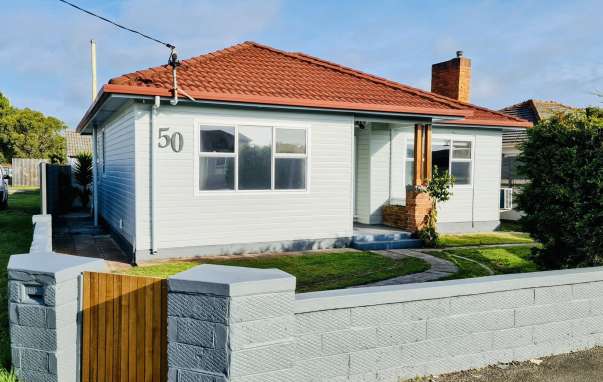
Begin by researching the local property market in your suburb or region. Compare recent sale prices of similar homes to determine a competitive asking price. Preparing your property for sale is also crucial. This includes decluttering, cleaning, and making small repairs to enhance the property’s appearance. First impressions matter, so consider professional photography to showcase your home in its best light.
Step 2: Understand NSW Private Selling Regulations
Before listing your property, it’s important to understand NSW private selling regulations. The law requires sellers to have a Contract of Sale prepared before advertising the property. You must engage a licensed solicitor or conveyancer to draft this document. The contract must include key details such as zoning certificates, title deeds, drainage diagrams, and a copy of the strata plan if applicable.
In addition to the contract, you must also comply with disclosure obligations. This means informing potential buyers about any issues that could affect the property’s value, such as building defects, disputes, or restrictions. Staying compliant protects you legally and builds trust with buyers.
Step 3: List Your Property Online
Once your paperwork is ready, it’s time to list your property online. With For Sale By Home Owner, you can advertise on major real estate websites that are typically used by licensed agents. Your listing should include high-quality images, a compelling description, and clear details about inspections or open homes. A professional and well-presented online listing increases visibility and attracts more potential buyers.
Step 4: Organise and Host Inspections
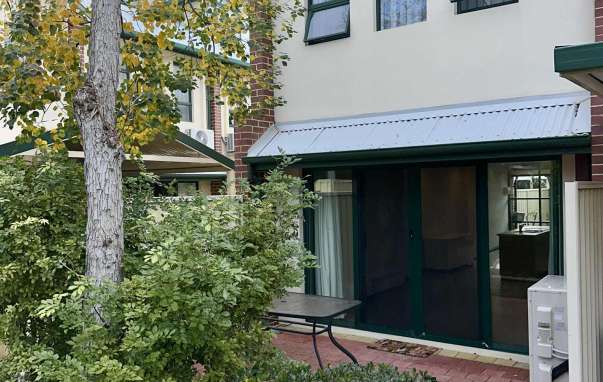
One of the advantages of selling privately is that you can handle all buyer inquiries directly. Organise open homes or private inspections based on your schedule. Be honest and informative when answering questions, and have printed copies of the contract available for interested buyers. This direct interaction gives you control over how your home is presented and allows you to build rapport with prospective buyers.
Step 5: Negotiate Offers and Accept a Sale
When you receive offers, assess them carefully and negotiate directly with the buyer if necessary. Private sales give you flexibility in negotiations without paying agent commissions. Once you accept an offer, both parties sign the Contract of Sale. In NSW, a five-day cooling-off period applies for residential property sales unless waived by the buyer.
Step 6: Finalise the Sale and Prepare for Settlement
After contracts are exchanged and the buyer pays the deposit, the process moves toward settlement. Your conveyancer or solicitor will liaise with the buyer’s legal representative to finalise the transfer of ownership. On settlement day, the buyer pays the balance, and you hand over the keys. This marks the completion of your successful private sale.
Selling privately in NSW is entirely achievable when you follow each step with care. Learning how to sell privately in NSW empowers you to take charge, save on agent commissions, and build a more personal selling experience. With the expert resources and support offered by For Sale By Home Owner, private sellers can meet all legal requirements, stay informed about NSW private selling regulations, and confidently navigate the real estate market on their own terms.