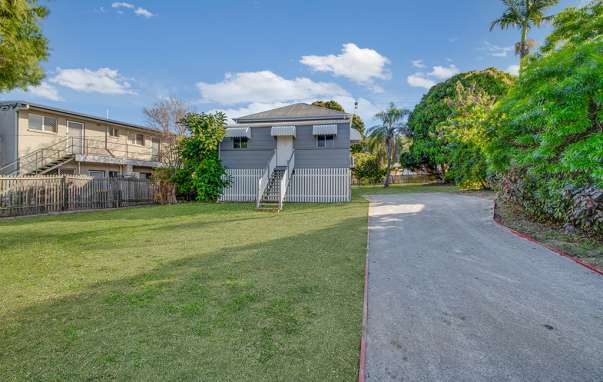
Setting the right price is one of the most critical decisions you will make when selling house yourself in QLD. A well-priced home attracts genuine buyers, speeds up the sale process, and helps you achieve a better return. Whether you're selling in Brisbane, the Gold Coast, or a rural town, understanding local market conditions, pricing strategies, and buyer psychology can greatly influence your success.
This guide explores the practical steps you should take to price your property correctly without relying on a traditional real estate agent.
Understand the Local Property Market
The first step in setting the right price is conducting thorough research into your local property market. In Queensland (QLD), property values can differ significantly between suburbs and even within neighborhoods.
Look at recent sales data in your area, including:
- Sale prices of comparable homes (known as "comps")
- Time on the market
- Median sale prices for your suburb or postcode
- Market trends over the past six months
Websites such as CoreLogic, Domain, and realestate.com.au offer property data that can help you identify patterns. However, sellers using platforms like For Sale By Home Owner benefit from more tailored insights that help them price competitively.
Evaluate Comparable Properties
When selling house yourself in QLD, the goal is to price your property relative to similar homes that have recently sold. These should be properties that match yours in location, size, condition, and features.
Ask yourself:
- How many bedrooms and bathrooms does your property have compared to others?
- Is your home recently renovated or in need of updates?
- Do you have features like a pool, a large yard, or solar panels?
- Is your property in a sought-after school zone or close to public transport?
Adjust your price slightly up or down depending on the unique characteristics your property offers relative to others in the market.
Factor in Market Conditions
Real estate markets are dynamic and influenced by economic and seasonal factors. Understanding whether you're in a buyer's market or seller's market is essential.
- Seller’s Market: More demand than supply means you can list your home at a slightly higher price.
- Buyer’s Market: More supply than demand requires more competitive pricing to attract attention.
- Balanced Market: Neither buyers nor sellers have a clear advantage, so pricing must be in line with market averages.
Monitoring interest rates, inflation, and government incentives (like first-home buyer grants) can also help you make informed pricing decisions.
Use Online Valuation Tools (Wisely)
Several automated valuation tools exist online, offering instant estimates of your home’s value. These can be helpful for getting a ballpark figure, but they shouldn’t be your only resource.
They often lack context—such as recent renovations, interior upgrades, or block orientation—which only a human eye can assess. Consider using these tools as a starting point, but always validate them with your own research.
Avoid Overpricing or Underpricing
Both overpricing and underpricing can cost you time and money.
- Overpricing: If your asking price is too high, your property may sit unsold for months. This leads to a stale listing and often results in price reductions, which can reduce buyer interest.
- Underpricing: While it may generate quick interest, it could leave thousands of dollars on the table.
A well-priced home will attract attention within the first 30 days of listing. This window is crucial because buyer interest peaks when a property first hits the market.
Seek Independent Appraisals
If you are unsure about pricing, consider hiring a certified property valuer for an independent appraisal. They can provide a formal valuation that reflects the current market conditions and your home’s individual characteristics. This is especially helpful when you're selling house yourself in QLD, as it provides objective guidance without relying on a real estate agent.
Monitor and Adjust Based on Interest
Once your home is listed, pay attention to how the market is responding:
- Are you getting inquiries or inspection requests?
- Is your listing receiving regular views online?
- Are buyers submitting offers or providing feedback?
If you're not seeing much interest after a couple of weeks, it may be time to reassess your price. Platforms like For Sale By Home Owner allow sellers to adjust their pricing and marketing strategy in real-time, without waiting for agent approvals.
Highlight Value in Your Marketing
A well-priced home that’s marketed properly will naturally attract more attention. Make sure your listing clearly communicates the value of your home:
- High-quality photos
- Detailed descriptions of upgrades and features
- Clear pricing that reflects market value
When buyers perceive your property as well-priced and well-maintained, they’re more likely to make an offer quickly.
Final Thoughts
When selling house yourself in QLD, pricing your home right from the start is essential to attracting serious buyers and closing a successful sale. By researching local sales, understanding market trends, and using tools provided by For Sale By Home Owner, you can confidently set a price that reflects your home’s true value.
Remember, the price you set should not only reflect what you want to receive—but also what buyers in today’s market are willing to pay. With careful planning and the right tools, you can sell your property successfully and on your own terms.