Finding the right tenant is one of the most important parts of owning a rental property. A good tenant pays on time, respects your property, and follows the lease terms. On the other hand, the wrong tenant can cause delays, damage, and stress. That’s why finding good tenants should be a top priority for every landlord—especially if you're renting your home privately.
At For Sale By Home Owner, we help landlords across Australia take charge of their rental journey without using a traditional agent. With the right approach, you can secure reliable tenants and protect your investment. It all starts with solid rental property preparation and smart tenant screening.
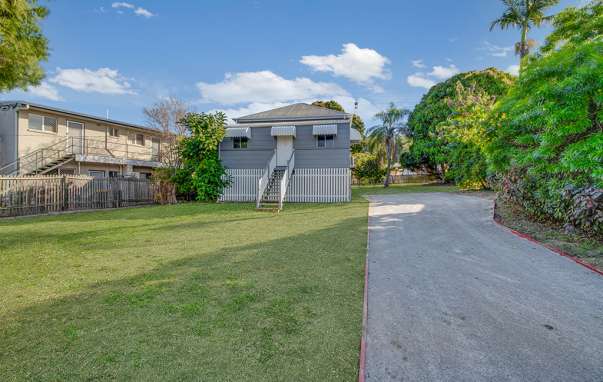
Start with Excellent Rental Property Preparation
First impressions matter. Before you start advertising, make sure your rental property is clean, safe, and presentable. Tenants want a space that feels welcoming and well-maintained.
Focus on the basics:
- Deep clean every room, including carpets and windows
- Repair any damage, such as leaking taps or broken doors
- Freshen up with a coat of paint or new light fixtures if needed
- Ensure all appliances are in working order
- Test smoke alarms and secure all entry points
Proper rental property preparation helps you attract the right kind of tenants—those who appreciate a well-kept space and are likely to treat it with care.
Write a Clear and Detailed Listing
The quality of your property listing plays a big role in finding good tenants. A well-written advertisement sets expectations and attracts applicants who are genuinely interested in your property.
Your listing should include:
- High-quality photos of all key areas (bedrooms, kitchen, bathroom, outdoor spaces)
- A clear, honest description of the property and its features
- The rental amount, bond details, lease length, and any specific terms (e.g., no pets)
- Location highlights such as nearby schools, transport, or shops
On the For Sale By Home Owner platform, you can publish your listing across major real estate websites, reaching thousands of potential renters without an agent.

Set Tenant Criteria and Stick to It
Before you start reviewing applications, decide on your ideal tenant profile. This might include factors like:
- Stable income or employment history
- Positive rental references
- Good credit rating
- Clean background check
Having clear criteria ensures you stay focused and objective when evaluating applicants. It also helps you avoid rushing into a decision just to fill a vacancy.
Use a Thorough Screening Process
Screening is one of the most crucial parts of finding good tenants. Always request:
- A completed application form
- Photo ID and proof of income
- References from past landlords or property managers
- Permission for credit and background checks
Contact references personally and ask direct questions about the applicant’s rental history, payment habits, and property care. If something doesn’t seem right, trust your instincts—but back up your decision with facts.
Conduct an In-Person or Virtual Interview
Meeting your potential tenant—whether in person or via video call—can help you assess their communication skills, reliability, and attitude. A respectful, well-prepared tenant is more likely to be cooperative throughout the lease.
During the viewing, take note of how they interact with the space. Do they ask responsible questions? Are they on time? These little things can give you insights into their behaviour as tenants.
Final Thoughts
Finding good tenants isn’t about luck—it’s about preparation, clarity, and consistency. By preparing your property properly, advertising it with the right message, and using a thorough screening process, you increase your chances of renting to tenants who respect your investment.
With the tools and resources from For Sale By Home Owner, private landlords can manage every step of the rental process confidently. Good tenants lead to smooth tenancies, lower turnover, and peace of mind—and that begins with smart, proactive planning.