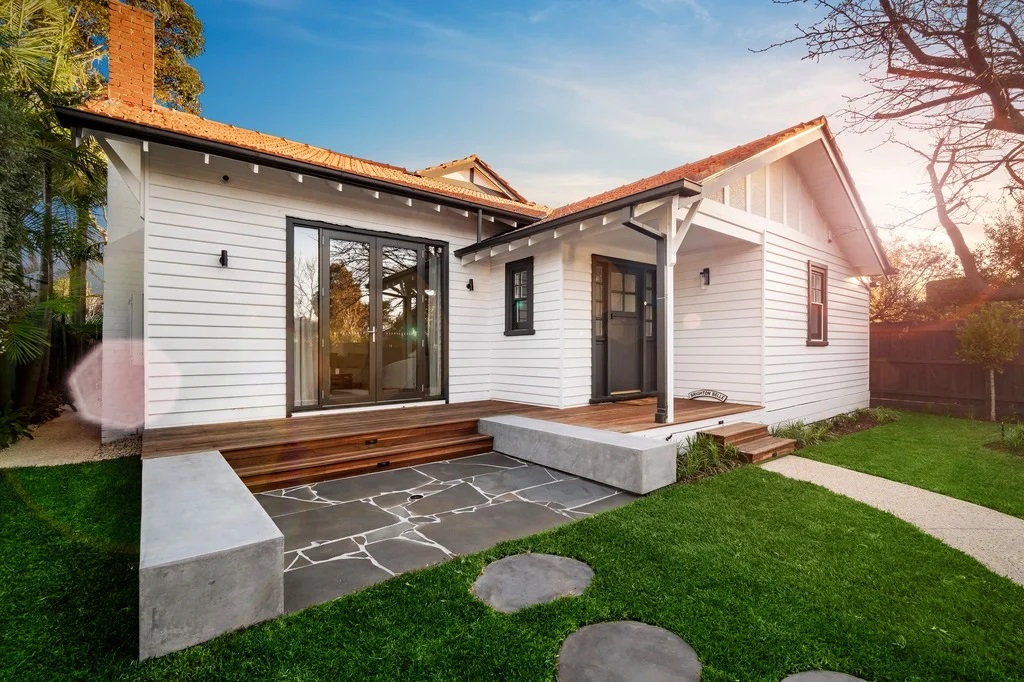
Designing a landscape in a coastal area requires careful planning, and Hampton’s coastal climate plays a significant role in shaping outdoor spaces. The combination of salty air, strong winds, sandy soil, and seasonal storms affects the types of plants, materials, and design strategies that landscapers use. Understanding these environmental factors helps homeowners create landscapes that are both beautiful and resilient.
Salt Air and Plant Selection
One of the most noticeable effects of coastal weather is salt exposure. Ocean breezes carry salt particles that settle on plants and soil. Many traditional garden plants struggle to survive in these conditions because salt can damage leaves, reduce growth, and affect soil quality.
For this reason, landscape design in Hampton often focuses on salt-tolerant plants. Native grasses, hardy shrubs, and coastal perennials tend to perform well because they are naturally adapted to the environment. Plants such as ornamental grasses, junipers, and certain types of hydrangeas can thrive despite the salty conditions. Choosing the right plant varieties ensures the landscape remains healthy with less maintenance.
Wind Resistance in Landscape Layout
Coastal areas frequently experience strong winds, especially during storms or seasonal weather changes. These winds can damage delicate plants and disturb loose soil. Landscape designers in Hampton often plan layouts that reduce wind impact.
One common strategy is using layered planting. Taller trees or dense shrubs act as natural windbreaks, protecting smaller plants and garden areas behind them. Fences, hedges, and strategically placed structures can also help shield outdoor living spaces. Wind-resistant plants with flexible stems and sturdy root systems are typically preferred to prevent damage.
Soil Conditions and Drainage
Sandy soil is common in coastal regions like Hampton. While sandy soil drains water quickly, it often lacks nutrients needed for plant growth. Landscapers must improve soil conditions to support healthy landscapes.
Adding organic matter such as compost or mulch helps increase nutrient levels and improve moisture retention. Raised garden beds are another popular solution because they allow for better control of soil quality. Good drainage is still essential, especially during periods of heavy rain, so landscape designs often include grading and drainage systems to manage water effectively.
Storm Preparedness in Coastal Landscapes
Hampton’s coastal location means that landscapes must also be prepared for occasional storms or heavy rainfall. Strong storms can lead to flooding, erosion, or plant damage if landscapes are not designed properly.
To reduce these risks, landscapers may incorporate erosion-control techniques such as ground cover plants, retaining walls, or stone borders. Deep-rooted plants help stabilize soil and prevent it from washing away during heavy rain. Proper drainage systems and permeable surfaces can also help manage water runoff.
Outdoor Living Spaces Adapted to Coastal Conditions
Many homeowners in Hampton want to enjoy their outdoor spaces year-round. Coastal weather influences the materials and layout used for patios, walkways, and seating areas.
Durable materials such as natural stone, concrete pavers, and treated wood are often chosen because they can withstand moisture, salt exposure, and temperature changes. Designers also consider sun exposure, wind direction, and shade when placing seating areas, pergolas, or outdoor kitchens.
Creating a Resilient and Beautiful Landscape
Despite its challenges, Hampton’s coastal climate also offers unique opportunities for creative landscape design. Coastal-inspired gardens, natural grasses, and open outdoor spaces can complement the surrounding environment while remaining functional and attractive.
By selecting salt-tolerant plants, improving soil quality, planning for wind protection, and using durable materials, homeowners can create landscapes that thrive in Hampton’s coastal conditions. With thoughtful design, outdoor spaces can remain beautiful, practical, and resilient throughout the changing coastal seasons.