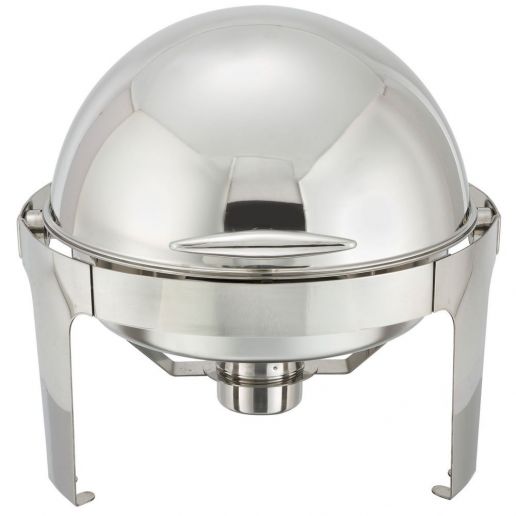
In the food service industry, chafing dishes are a cornerstone of buffet-style dining, events, and catering services, providing a practical yet elegant solution for serving food at the perfect temperature. From hotel brunches to weddings and corporate gatherings, chafing dishes play a vital role in keeping dishes warm and appealing for guests over extended periods. In this comprehensive guide, we’ll explore everything you need to know about chafing dishes, including types, uses, and best practices for selecting the right chafing dish for your needs.
What is a Chafing Dish?
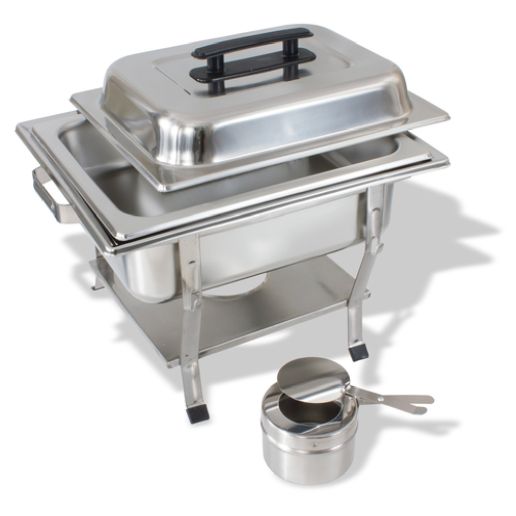
A chafing dish, often called a "chafing pan" or simply "chafers," is a portable and self-contained food-warming unit designed to keep cooked food at serving temperature. These dishes consist of a frame, a water pan, one or more food pans, a lid, and a fuel or heat source underneath. The water pan holds hot water, which creates steam to gently heat the food pan, ensuring the food stays warm without overcooking or drying out. This setup is ideal for buffets, where food needs to remain hot and fresh over an extended period.
Types of Chafing Dishes
There are several types of chafing dishes, each with its unique features suited to different culinary needs and event settings. Here’s an overview of the most common types:
- Rectangular Chafing Dishes
- Ideal for: Entrees, main dishes, and casseroles
- These are the most common type of chafing dishes found in buffets and catering events. Rectangular chafers often have a large capacity, making them ideal for serving entrees and large dishes like pasta, meats, and vegetables.
- Round Chafing Dishes
- Ideal for: Side dishes, appetizers, and desserts
- Round chafers are smaller and more compact than rectangular models, making them perfect for serving side dishes, sauces, and desserts. They’re also great for smaller settings where space is limited.
- Roll-Top Chafing Dishes
- Ideal for: High-end events, hotels, and catering with frequent serving
- Roll-top chafers have a lid that can be rolled back and held in place, which eliminates the need to find space for a separate lid. This style offers easy access to the food and is popular for high-end or formal events due to its polished appearance.
- Drop-In Chafing Dishes
- Ideal for: Permanent buffet setups and self-service lines
- Drop-in chafing dishes are installed into a countertop or buffet table, creating a seamless, built-in look. They are popular in restaurants and hotels with permanent buffet lines and are often electrically heated.
- Induction Chafing Dishes
- Ideal for: Modern venues and eco-friendly events
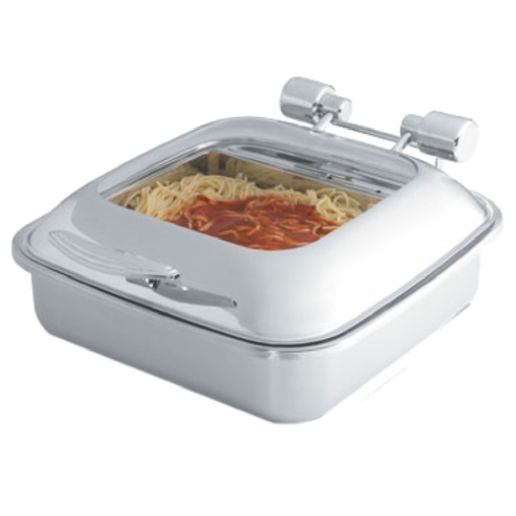
- These chafers use induction technology to heat food, providing precise temperature control and eliminating the need for fuel. Induction chafers are often considered safer and more energy-efficient, making them popular in contemporary or eco-conscious settings.
Common Uses of Chafing Dishes
Chafing dishes have a broad range of uses across different culinary settings, making them an essential tool for professional caterers, event planners, and even home entertainers. Here are some of the primary uses:
1. Buffet and Self-Service Settings
- Application: Hotels, restaurants, and banquets
- Chafing dishes are essential for buffet-style dining, where food needs to be accessible to guests for self-service. They keep food warm without the need for constant replenishment, making them cost-effective and convenient for managing large crowds.
2. Catering Events and Off-Site Service
- Application: Weddings, corporate events, and parties
- Portable and easy to set up, chafing dishes are ideal for off-site catering, where reliable food warming solutions are crucial. They are versatile enough to serve a variety of menu items, from appetizers to desserts, ensuring guests enjoy hot, delicious food.
3. Brunch and Breakfast Service
- Application: Breakfast buffets in hotels or brunch events
- Chafing dishes are perfect for serving breakfast items that need to stay hot, such as eggs, bacon, sausage, pancakes, and oatmeal. They keep these items warm and ready to serve, which is especially important for breakfast buffets where food turnover can be slower.
4. Holiday and Family Gatherings
- Application: Home or private dining events
- Chafing dishes are increasingly popular for family gatherings and holiday meals, making it easier to keep food warm and ready while allowing hosts to enjoy the event without frequently reheating dishes. They are also ideal for potluck-style gatherings, where multiple dishes are shared.
5. Outdoor and Poolside Events
- Application: Barbecues, picnics, and outdoor weddings
- For outdoor events, chafing dishes ensure that food stays warm and safe, even in cooler temperatures. They are particularly useful for events that may last several hours, as they prevent food from cooling down or becoming unappetizing.
How to Choose the Right Chafing Dish
Selecting the right chafing dish depends on your specific needs and the type of events you cater to. Here are some key considerations:
- Size and Capacity
- Choose a chafing dish size based on the volume of food you need to serve. Rectangular chafers usually hold more food than round or oval options, making them ideal for main dishes, while smaller chafers work well for sides or desserts.
- Material
- Chafing dishes are typically made from stainless steel, which is durable, easy to clean, and retains heat well. Some options may have silver or gold accents, making them suitable for more formal settings. High-end models may come with glass lids or ceramic inserts for enhanced presentation.
- Type of Fuel
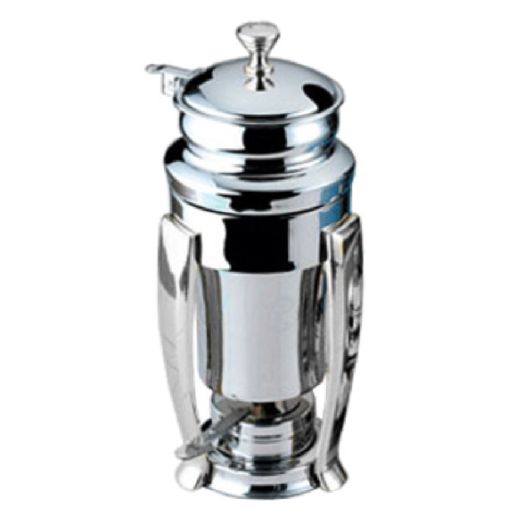
- Traditional chafing dishes use gel or wick fuel to keep the water pan warm. Induction and electric chafing dishes, on the other hand, provide a modern alternative that doesn’t require fuel, making them safer and more environmentally friendly.
- Style and Presentation
- Choose between roll-top, lift-off, or hinged lid designs based on the setting and frequency of use. For high-end events, opt for polished stainless steel or chafers with gold accents. For more casual gatherings, simpler, utilitarian designs may suffice.
- Ease of Transportation and Storage
- If you’re a caterer or event planner who frequently moves equipment, choose lightweight, stackable chafing dishes that are easy to transport and set up.
Best Practices for Using Chafing Dishes
- Preheat the Water Pan
- Always start with hot water in the water pan. This helps the chafing dish reach serving temperature faster and reduces the amount of fuel or energy required.
- Monitor Water Levels
- Keep an eye on the water level throughout the event, as it can evaporate over time. Adding more hot water as needed will prevent food from drying out and maintain consistent heat.
- Stir Food Periodically
- Stirring helps distribute heat evenly and prevents food from sticking to the bottom of the pan. This is particularly important for dishes like sauces, stews, and casseroles.
- Use Proper Serving Utensils
- Pair chafing dishes with the appropriate serving utensils, such as slotted spoons for items with sauce or solid spoons for dense foods. This ensures that guests can serve themselves easily and reduces the chance of spills.
- Keep Lids Closed When Possible
- To conserve heat and maintain food quality, keep the chafing dish lids closed when food is not being served. Roll-top chafers are ideal for maintaining heat without removing the lid entirely.
Maintenance and Care for Chafing Dishes
Regular maintenance will prolong the life of your chafing dishes and keep them looking professional. Here are some tips for cleaning and care:
- Clean After Every Use: Wash all parts, including the food pan, water pan, and lid, after each use. Stainless steel is easy to clean with warm, soapy water and a soft cloth.
- Avoid Abrasive Cleaners: Use mild detergents and avoid harsh scrubbing pads that can scratch the surface, especially on polished finishes.
- Dry Thoroughly: After washing, ensure each part is completely dry to prevent water spots and rust.
- Store Properly: Stack chafing dishes carefully to avoid dents or scratches. Keep fuel canisters or electric cords stored separately.
Final Thoughts
Chafing dishes are an essential component of buffet and catering services, providing a practical, attractive way to keep food warm and ready to serve. From choosing the right type of chafing dish to following best practices for use and maintenance, understanding how to leverage these tools effectively can elevate your food service experience and impress guests with fresh, hot dishes. Investing in quality chafing dishes not only enhances presentation but also ensures that food safety and service efficiency are prioritized, making them an invaluable asset to any hospitality business or event host.