First aid training is an essential skill that can save lives in emergencies. Whether you're a business owner looking to train your staff, a parent interested in paediatric first aid, or someone simply wanting to gain life-saving skills, a First Aid Course in Surrey will provide you with the knowledge and hands-on experience needed to respond effectively to medical emergencies.
In this comprehensive guide, we will take you through what to expect from a typical first aid course in Surrey, from the structure and content to the certifications you will receive. By the end, you’ll have a clear understanding of how these courses work and the key skills you will gain.
1. Course Overview: What Is a First Aid Course?
A first aid course is designed to teach participants how to provide immediate care and assistance during a medical emergency until professional help arrives. The course typically covers a range of emergency situations, including injuries, illnesses, and medical conditions that can arise in the workplace, at home, or in public settings.
Most first aid courses are either Emergency First Aid at Work (EFAW), which focuses on basic first aid skills for low-risk environments, or First Aid at Work (FAW), a more comprehensive course suited for higher-risk environments like construction sites or manufacturing plants. There are also specialized courses, such as paediatric first aid, for those who work with children, or courses that teach the use of Automated External Defibrillators (AEDs).
In Surrey, there are a variety of accredited training providers that offer these courses, ensuring participants receive quality training that complies with health and safety regulations.
2. Course Duration and Structure
The duration of a First Aid Course in Surrey can vary depending on the type of course you choose, but most standard courses typically last between 1 to 3 days. Here is an overview of the typical structure of a first aid course:
a. Introduction to First Aid
The first part of the course usually covers the basics of first aid, including the role of the first aider, the legal aspects of providing first aid, and how to stay calm during an emergency. You will also learn about risk assessments and how to ensure your own safety and the safety of others before providing assistance.
In this section, participants are introduced to key topics such as:
- The importance of first aid and why it matters.
- How to assess a casualty’s condition.
- The procedures for obtaining help (e.g., calling emergency services).
- Legal considerations, such as the Good Samaritan Law (providing help in good faith).
b. CPR and Basic Life Support (BLS)
A significant portion of most first aid courses focuses on CPR and basic life support. These skills are crucial when a person’s heart stops or they stop breathing. Participants will learn:
- How to check for responsiveness and breathing.
- How to perform chest compressions and rescue breaths.
- The importance of the recovery position and when to use it.
- The use of an AED (Automated External Defibrillator) and how to administer shocks to a person in cardiac arrest.
c. Dealing with Common Injuries and Illnesses
Next, the course will cover a variety of common injuries and medical conditions, and how to provide the appropriate care in each situation. You will learn how to handle:
- Wounds and Bleeding: How to stop bleeding using pressure, dressings, and bandages.
- Burns: The steps to treat different types of burns (thermal, chemical, electrical) and prevent further injury.
- Fractures and Sprains: How to immobilize broken bones, sprains, and strains to prevent further damage.
- Choking: How to recognize the signs of choking and perform the Heimlich maneuver or back blows to clear an obstruction.
- Shock: How to identify the symptoms of shock and manage the casualty until medical help arrives.
- Head Injuries: How to assess and treat head injuries, including concussions and more serious trauma.
- Severe Allergic Reactions (Anaphylaxis): Recognizing the symptoms of an allergic reaction and administering epinephrine if needed.
d. Paediatric First Aid (If Applicable)
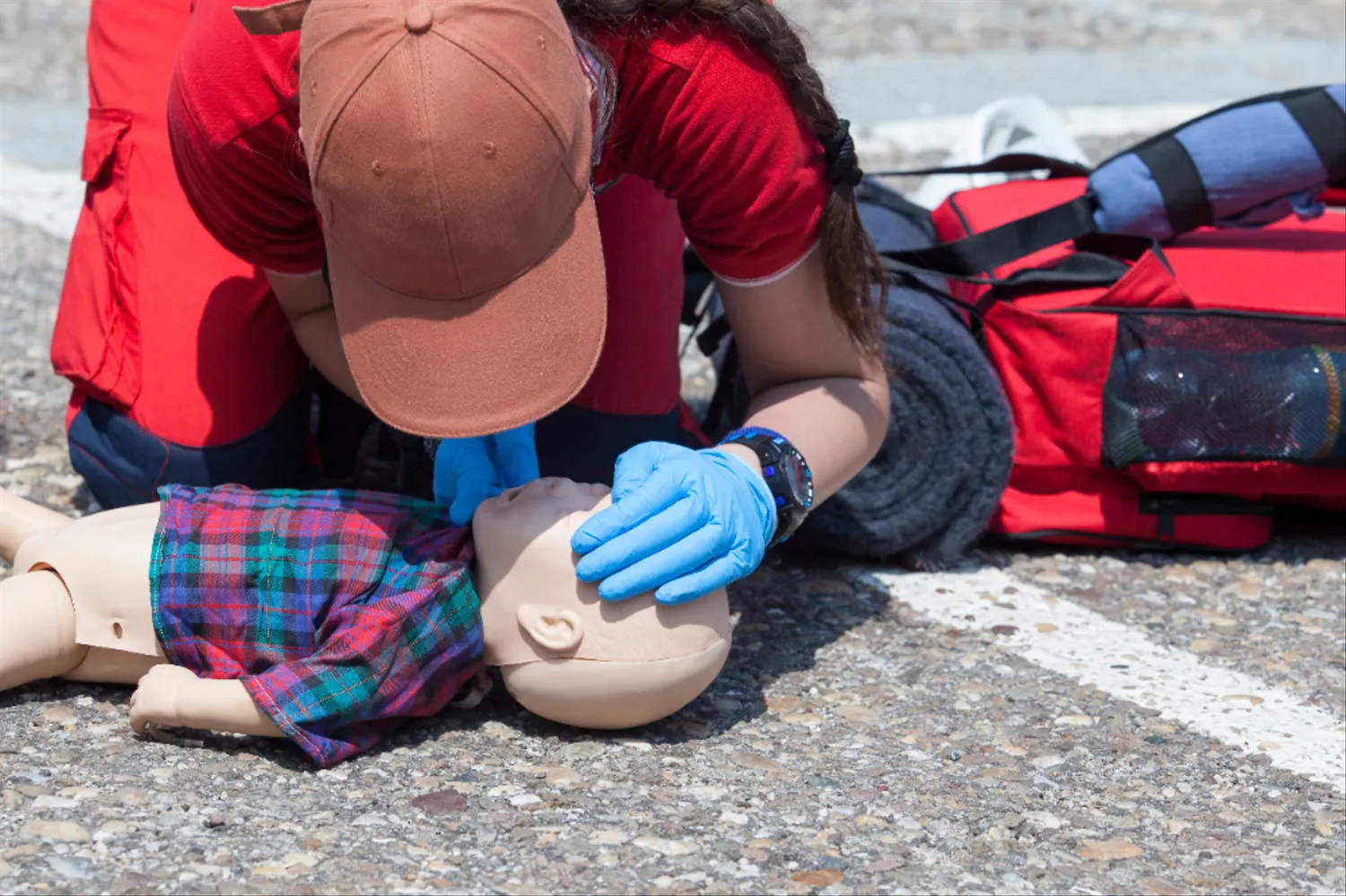
If you’re taking a course focused on paediatric first aid, you will learn specific techniques for handling medical emergencies in children, which can differ from adult first aid. You will learn:
- How to perform CPR and basic life support on infants and children.
- How to treat common childhood injuries, such as cuts, bumps, and sprains.
- How to recognize and manage conditions such as asthma, fever, and seizures in children.
e. Practical Hands-On Training
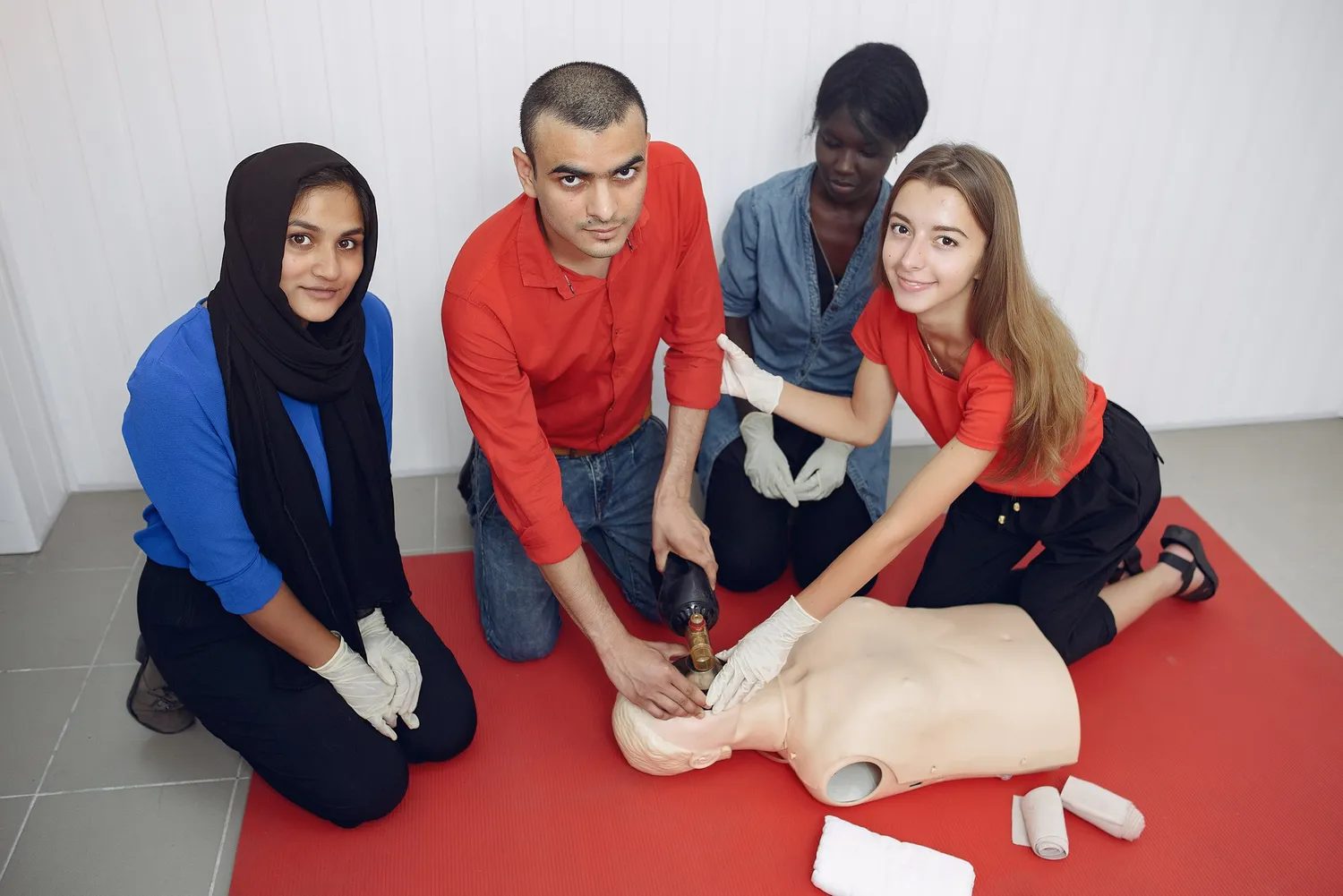
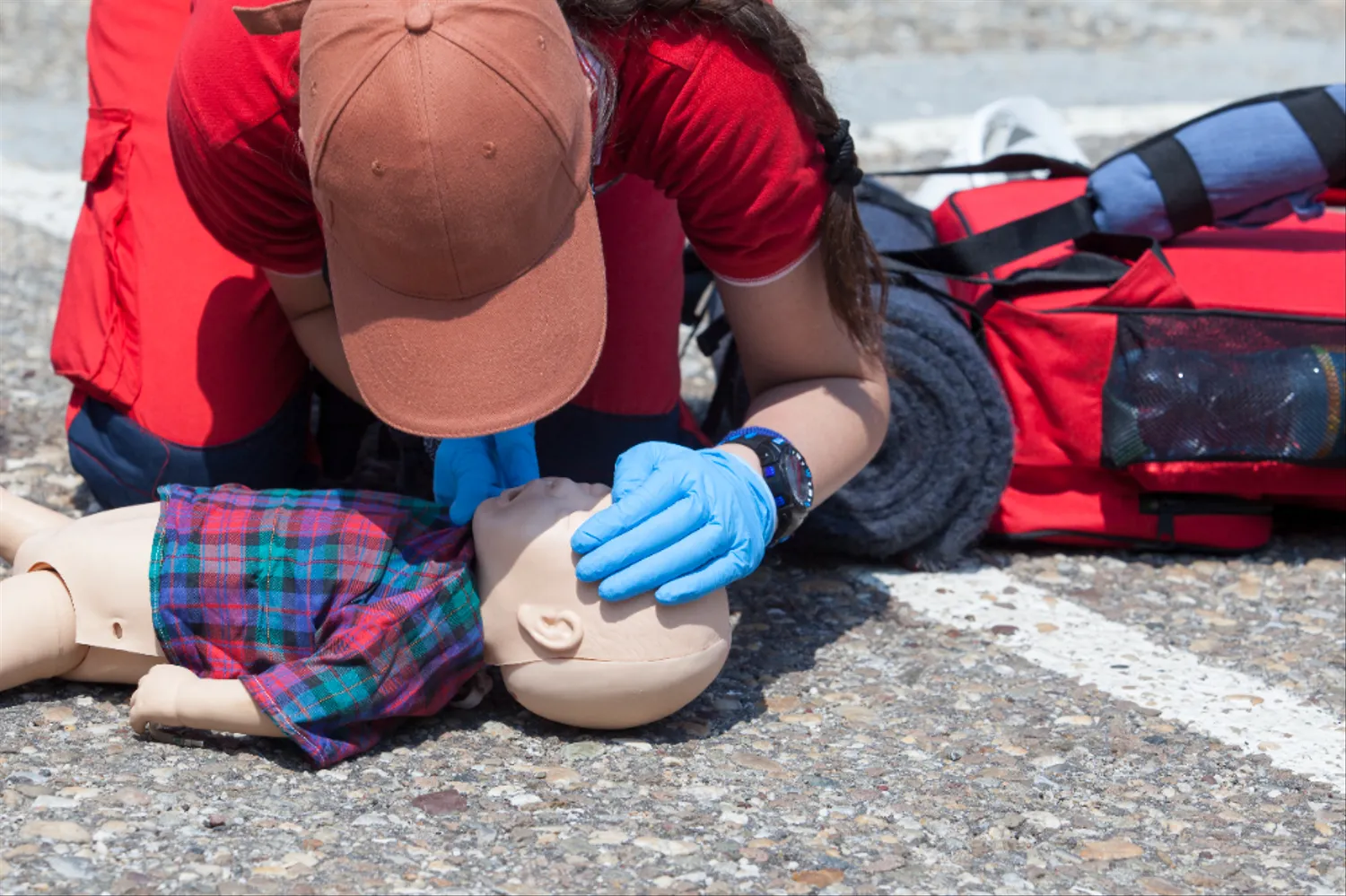
A crucial element of any first aid course is the hands-on practical training. During the course, participants will practice the techniques they’ve learned in realistic scenarios, often using mannequins, medical equipment, and simulated emergency situations. Some of the key practical exercises include:
- Practicing CPR on adult and child mannequins.
- Using bandages, dressings, and splints to treat injuries.
- Performing the Heimlich maneuver on a choking person.
- Administering first aid for burns, fractures, and other injuries.
- Using an AED to deliver shocks during a simulated cardiac arrest scenario.
These practical sessions allow participants to gain confidence in their abilities to perform first aid under pressure, ensuring they are fully prepared to act in real-life emergencies.
3. Certification and Qualifications
At the end of the First Aid Course in Surrey, participants are usually required to complete a written test or practical assessment to demonstrate their understanding of the course material. Once you have successfully completed the training, you will receive a certificate in first aid, which is valid for 3 years.
Types of Certifications
The most common certifications you will receive from a first aid course include:
- Emergency First Aid at Work (EFAW): A basic qualification, typically valid for 3 years, that covers the essentials of first aid.
- First Aid at Work (FAW): A more advanced qualification suitable for higher-risk environments, also valid for 3 years.
- Paediatric First Aid: A certification focused on providing first aid to infants and children, also valid for 3 years.
These certifications are accredited by recognized bodies such as the Health and Safety Executive (HSE) and the Resuscitation Council UK, ensuring that the training meets legal and industry standards.
4. Benefits of Taking a First Aid Course in Surrey
Participating in a First Aid Course in Surrey offers numerous benefits for both individuals and organizations:
a. Preparedness for Emergencies
The most obvious benefit of first aid training is being prepared for emergencies. Knowing how to respond in critical situations can help save lives and reduce the severity of injuries.
b. Increased Confidence
First aid courses give participants the confidence to handle emergencies, whether at work, home, or in public. This confidence extends to knowing how to use life-saving equipment such as an AED, which can be essential in cardiac emergencies.
c. Compliance with Workplace Regulations
For businesses, providing first aid training for employees is often a legal requirement, especially for certain high-risk environments. Ensuring that your workplace is compliant with health and safety regulations can prevent accidents, reduce liability, and promote a culture of safety.
d. Improved Workplace Safety
When employees are trained in first aid, they are more likely to recognize hazards, act quickly in emergencies, and reduce the impact of workplace accidents. This leads to fewer injuries, less absenteeism, and a safer work environment overall.
e. Personal Satisfaction
Finally, gaining first aid certification provides a sense of personal satisfaction. Knowing that you have the ability to help others in their time of need can be incredibly rewarding, giving you a new sense of responsibility and empowerment.
5. Conclusion
A First Aid Course in Surrey is an invaluable investment in your ability to handle medical emergencies with confidence and skill. From CPR and basic life support to managing common injuries and medical conditions, these courses provide practical, hands-on experience that will prepare you to respond to any situation. Whether you’re looking to meet workplace requirements or simply want to be equipped to help others, first aid training offers a sense of empowerment and peace of mind.
Enroll in a course today and gain the essential skills you need to make a difference in someone’s life when it matters most.