Introduction:
Fire safety is a paramount concern in both residential and commercial settings. Understanding and implementing effective fire safety measures are crucial components of safeguarding lives and property. In this comprehensive guide, we will explore the fundamental principles of fire safety, covering prevention, preparedness, and response strategies to mitigate the risks associated with fires.
Understanding the Fire Triangle
At its core, fire results from the interaction of three elements known as the fire triangle: fuel, heat, and oxygen. A comprehensive understanding of these components is essential for developing effective fire safety measures.
Fuel
Fire needs a combustible material to sustain itself. Identifying and managing potential sources of fuel, such as wood, paper, and flammable liquids, is a critical step in fire prevention.
Heat
Heat is the energy required to initiate and sustain combustion. Sources of heat, such as open flames, electrical appliances, or faulty wiring, should be carefully monitored and maintained to prevent fire incidents.
Oxygen
Oxygen supports the chemical reaction of combustion. Controlling the availability of oxygen, particularly in enclosed spaces, can help prevent the escalation of fires.
Fire Prevention Strategies
Electrical Safety
Faulty wiring and electrical malfunctions are common causes of fires. Regular inspections, proper maintenance, and adherence to electrical safety guidelines are essential in preventing electrical fires.
Proper Storage and Handling of Flammable Materials
Ensuring the safe storage and handling of flammable substances significantly reduces the risk of fire incidents. This involves storing such materials in designated areas and utilizing appropriate containers.
Fire-Resistant Construction Materials
Employing fire-resistant construction materials can slow down the spread of fire, providing valuable time for evacuation and firefighting efforts.
Smoke Alarms and Detectors
Installing smoke alarms and detectors in strategic locations enhances early fire detection, allowing for swift evacuation and intervention.
Emergency Preparedness
Fire Escape Plans
Developing and practicing fire escape plans are vital for both residential and commercial settings. Regular drills ensure that occupants are familiar with evacuation routes and emergency exits.
Emergency Contact Information
Maintaining a list of emergency contacts, including local fire departments and medical services, facilitates quick response in the event of a fire.
Fire Safety Equipment
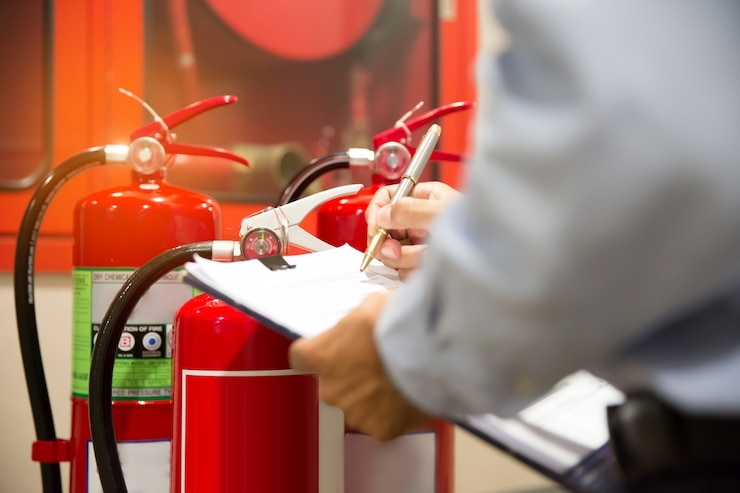
Having the right fire safety equipment, such as fire extinguishers, fire blankets, and sprinkler systems, ensures that occupants can take immediate action to suppress a fire before it escalates.
Fire Response Strategies
Evacuation Protocols
Establishing clear evacuation protocols is crucial for ensuring the safe and orderly departure of individuals from a building during a fire. This includes designated meeting points and roll call procedures.
Proper Usage of Fire Extinguishers
Understanding how to use a fire extinguisher is a fundamental skill. Training occupants on the types of extinguishers available and their appropriate use enhances the effectiveness of firefighting efforts.
Communication During Emergencies
Maintaining open communication channels during a fire emergency is essential for coordinating evacuation efforts and updating individuals on the situation.
Creating a Fire-Safe Environment
Regular Maintenance of Fire Safety Equipment
Routine inspections and maintenance of fire safety equipment ensure that these devices remain in optimal condition and ready for use.
Education and Training Programs
Conducting fire safety education and training programs for residents, employees, and students fosters a culture of awareness and preparedness.
Community Engagement
Engaging with the local community to raise awareness about fire safety and collaborating on emergency response initiatives contributes to a safer overall environment.
Conclusion: A Collective Responsibility for Safety
In conclusion, fire safety is a collective responsibility that requires vigilance, education, and preparedness. By understanding the fire triangle and implementing preventive measures, individuals and organizations can significantly reduce the risk of fires. Emergency preparedness, including the development of escape plans and the proper usage of firefighting equipment, is crucial for swift and effective responses. Creating a fire-safe environment involves ongoing maintenance, education, and community engagement to ensure that everyone is equipped to contribute to a safer and more secure living and working environment. Remember, the key to fire safety lies in prevention, preparedness, and a united commitment to safeguarding lives and property.