Introduction:
Fire safety technology has come a long way from traditional firefighting methods, evolving to incorporate cutting-edge innovations that promise more efficient, reliable, and sustainable solutions. As we look into the future of fire safety, this article explores the latest advancements that are reshaping the landscape of fire prevention, detection, and suppression.
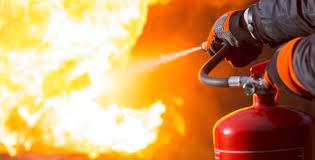
- Smart Fire Detection Systems:In the realm of fire safety, early detection is paramount. Smart fire detection systems, powered by artificial intelligence (AI) and machine learning, are revolutionizing how we identify and respond to potential fire hazards. These systems analyze patterns, smoke behavior, and even environmental factors in real-time, significantly reducing false alarms while improving response times. In addition, the integration of smart sensors with building automation systems allows for immediate alerts and remote monitoring, enabling a more proactive approach to fire prevention.
- Internet of Things (IoT) Integration:The Internet of Things is playing a pivotal role in enhancing overall fire safety. Connected devices and sensors can now communicate with each other, creating an interconnected web of fire safety solutions. For instance, IoT-enabled smoke detectors can trigger sprinkler systems and simultaneously send alerts to building occupants and emergency services. This level of connectivity ensures a swift and synchronized response to potential fire incidents, minimizing damage and enhancing overall safety.
- Advanced Fire Suppression Systems:Traditional fire suppression systems often relied on water or chemical agents, but advancements are paving the way for more sophisticated alternatives. Water mist systems, for instance, use fine droplets to suppress fires, reducing water consumption and minimizing collateral damage. Furthermore, clean agent systems based on inert gases or chemical agents are gaining popularity for their effectiveness in suppressing fires without leaving residue or causing environmental harm. These innovations are not only more efficient but also align with the growing emphasis on eco-friendly fire safety solutions.
- Robotics in Firefighting:Robotics is entering the firefighting domain, offering solutions for situations that may be too hazardous for human intervention. Firefighting drones equipped with cameras and sensors can navigate through complex environments, providing real-time data to firefighters. These drones can assess the extent of a fire, identify hotspots, and even deliver targeted suppression methods. Additionally, robotic exoskeletons are being developed to enhance the capabilities of firefighters, providing increased strength and endurance, enabling them to tackle fires more effectively.
- Augmented Reality (AR) for Training:Training plays a crucial role in preparing individuals for effective fire response. Augmented Reality is transforming the way firefighters and emergency responders are trained. AR simulations provide realistic scenarios, allowing trainees to navigate virtual environments that mimic real-life fire situations. This hands-on training enhances decision-making skills, improves response times, and ensures that individuals are better equipped to handle complex fire emergencies.
- Predictive Analytics for Fire Risk Assessment:Predictive analytics, fueled by big data and advanced algorithms, are being employed for comprehensive fire risk assessments. These systems analyze historical data, building structures, and environmental conditions to predict potential fire risks. By identifying areas with higher probabilities of fire incidents, preventive measures can be implemented, such as reinforcing fire-resistant materials or adjusting fire suppression system configurations. This proactive approach contributes to a more resilient and pre-emptive fire safety strategy.
- Graphene-based Fire-Resistant Materials:The development of graphene-based materials is contributing to the creation of highly fire-resistant products. Graphene, known for its exceptional strength and conductivity, is being incorporated into fabrics, coatings, and building materials to enhance their fire-resistant properties. These materials can withstand extreme temperatures and provide a robust barrier against the spread of flames. As they become more commercially viable, graphene-based fire-resistant materials have the potential to revolutionize construction practices and increase the overall fire resilience of structures.
- Fire Safety in Electric Vehicles (EVs):With the rise of electric vehicles, addressing fire safety concerns specific to this technology has become crucial. Innovations include smart battery management systems that monitor and regulate the temperature of batteries to prevent overheating, which is a common cause of EV fires. Additionally, advancements in materials for electric vehicle batteries are aimed at creating inherently fire-resistant components. As electric vehicles become more prevalent, integrating advanced fire safety measures will be paramount to ensuring the safety of both occupants and first responders.
Conclusion:
As we continue to witness rapid advancements in technology, the future of fire safety appears promising. The integration of artificial intelligence, the Internet of Things, and innovative materials is reshaping traditional approaches to fire prevention and response. From smart detection systems to robotics and graphene-based materials, each innovation contributes to creating a safer and more resilient built environment .