Fire extinguishers are indispensable tools that play a pivotal role in safeguarding lives and property. Often overlooked, these devices are the first line of defense against small fires that can escalate quickly. In this comprehensive guide, we delve into the intricacies of fire extinguishers, exploring their types, components, usage, and the critical role they play in home and workplace safety.
The Basics of Fire Extinguishers
Understanding the fundamental principles behind fire extinguishers is crucial for effective use in emergencies. These devices are designed to suppress or extinguish fires by removing one or more elements essential for combustion. The three key components of a fire—known as the fire triangle—are fuel, oxygen, and heat. Fire extinguishers work by disrupting this triangle, thereby halting the progression of a fire.
Types of Fires and Corresponding Extinguisher Classes
Fires are classified into various types based on the materials involved, and fire extinguishers are categorized accordingly. The classification system is denoted by letters:
- Class A: Ordinary combustibles such as wood, paper, cloth, and plastics.
- Class B: Flammable liquids like gasoline, oil, grease, and some gases.
- Class C: Fires involving electrical equipment and appliances.
- Class D: Combustible metals, such as magnesium or titanium.
- Class K: Kitchen fires involving cooking oils and fats.
For general use in homes and workplaces, the ABC classification is the most common and versatile, covering Classes A, B, and C fires. This makes ABC fire extinguishers suitable for a wide range of fire scenarios, making them a popular choice for residential and commercial settings.
Anatomy of a Fire Extinguisher
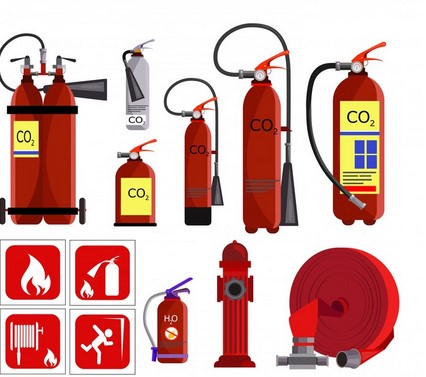
A typical fire extinguisher consists of several essential components that work together to deliver a targeted and effective response to a fire. These components include:
- Cylinder: The outer casing that houses the extinguishing agent and other internal components.
- Extinguishing Agent: The substance that suppresses or extinguishes the fire. Common agents include water, foam, dry chemical powder, CO2, and specialized powders for Class D and K fires.
- Pressure Gauge: Indicates the pressure level of the extinguisher, ensuring it is adequately charged and ready for use.
- Nozzle and Discharge Hose: The nozzle directs the flow of the extinguishing agent, while the discharge hose allows for controlled application.
- Operating Lever (Handle): Initiates the release of the extinguishing agent when squeezed, activating the fire extinguisher.
- Safety Pin and Tamper Seal: The safety pin prevents accidental discharge, and the tamper seal indicates whether the extinguisher has been used or tampered with.
Understanding the purpose and function of each component empowers users to operate fire extinguishers confidently when faced with a fire emergency.
Choosing the Right Type of Fire Extinguisher
Selecting the appropriate fire extinguisher depends on the specific fire risks present in a given environment. Consider the following factors when choosing a fire extinguisher:
- Size and Weight: Fire extinguishers come in various sizes, ranging from compact models suitable for home use to larger units for commercial spaces. Choose a size that is manageable and easily accessible for the intended location.
- Fire Class Ratings: Extinguishers are labeled with fire class ratings, indicating the types of fires they are effective against. A higher rating signifies a larger firefighting capacity. For instance, a 2-A:10-B:C rating indicates the extinguisher is effective against Class A and Class B fires.
- Multipurpose Extinguishers: ABC fire extinguishers are versatile, capable of tackling Class A, B, and C fires. Opting for multipurpose extinguishers simplifies the selection process and provides broad protection.
- Specialized Extinguishers: In environments with specific fire risks, such as kitchens or areas with combustible metals, specialized extinguishers (Class K for kitchen fires or Class D for metal fires) may be necessary.
- Ease of Use: Extinguishers should be user-friendly, with clear instructions and an ergonomic design. Training household members or employees on proper usage is essential for effective response.
Operating a Fire Extinguisher: The PASS Method
Knowing how to operate a fire extinguisher is as critical as having one on hand. The PASS method is a straightforward acronym that outlines the steps for effective fire extinguisher use:
- Pull: Remove the safety pin by pulling it out, breaking the tamper seal in the process.
- Aim: Point the nozzle or hose at the base of the fire, directing the extinguishing agent toward the source of the flames.
- Squeeze: Squeeze the operating lever or handle to release the extinguishing agent. Maintain a firm grip throughout the process.
- Sweep: Sweep the nozzle or hose from side to side, covering the entire width of the fire. Continue until the flames are completely extinguished.
It's essential to remember that fire extinguishers are designed for small fires in their early stages. If a fire is already large or spreading rapidly, evacuation and the immediate summoning of professional firefighting services are paramount.
Placement and Maintenance
Strategic placement and regular maintenance are key factors in ensuring the reliability of fire extinguishers. Consider the following guidelines:
- Accessible Locations: Place fire extinguishers in easily accessible locations, with a focus on areas prone to fire risks, such as kitchens, garages, workshops, and near electrical panels.
- Mounting: Securely mount extinguishers on walls using brackets or hooks, keeping them within reach and visible.
- Regular Inspections: Conduct monthly visual inspections to check for any visible signs of damage, such as dents, corrosion, or leakage. Ensure that the pressure gauge indicates the extinguisher is within the proper operating range.
- Professional Inspection: Schedule an annual inspection by a certified technician. This involves a more thorough examination, including checking internal components, discharging and recharging the extinguisher if necessary, and verifying overall functionality.
- Recharging or Replacement: If an extinguisher is used or shows signs of damage, it should be recharged by a professional. In some cases, extensive damage may necessitate replacement.
Fire Safety Education
Education is a critical component of fire safety. Ensuring that household members or employees are familiar with the location and usage of fire extinguishers enhances overall preparedness. Conduct regular training sessions to reinforce the importance of immediate action during a fire emergency and to familiarize individuals with the PASS method.
Conclusion
Fire extinguisher are powerful tools that empower individuals to take immediate action in the face of a fire emergency. Understanding the types of fires, the components of extinguishers, and the proper usage techniques is essential for effective response. By choosing the right type of extinguisher, placing it strategically, and conducting regular inspections and maintenance, individuals can significantly enhance their preparedness and safety.
As we navigate our daily lives, it's easy to overlook the importance of these seemingly unassuming devices. However, a closer look reveals that fire extinguishers are the unsung heroes of fire safety—ready to spring into action, providing a crucial line of defense when seconds count. By embracing a proactive approach to fire safety, individuals can ensure that these invaluable tools remain at the forefront of their defense against the unpredictable nature of fires. Remember, it's not just about putting out the flames; it's about having the knowledge and tools to do so effectively, ensuring the safety of ourselves and those around us.