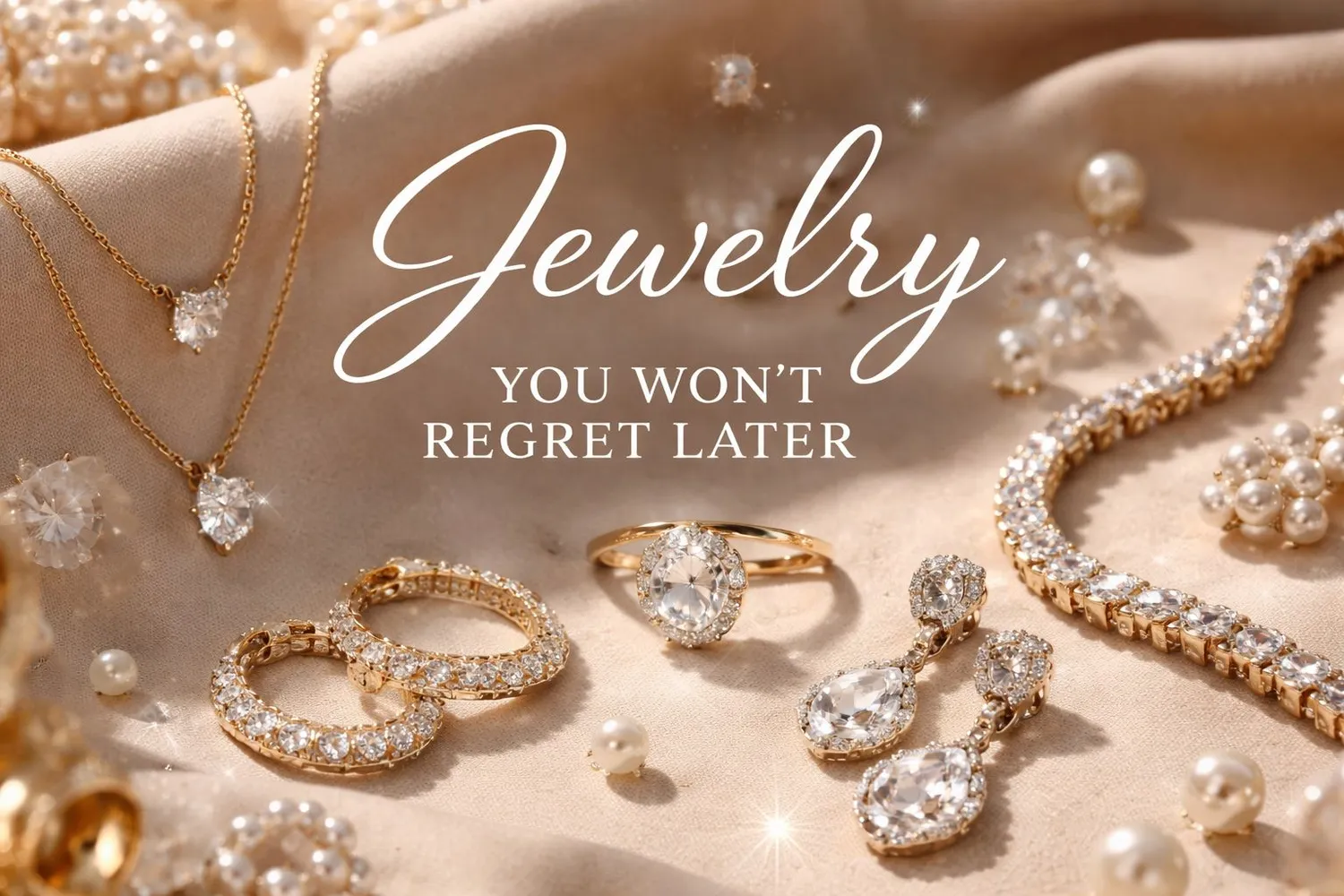
Introduction: What Makes Design Timeless
Jewelry can last physically for decades, but design is what determines whether people actually keep wearing it. A ring might survive years of use without damage, yet still end up forgotten in a drawer because the style feels tied to a specific era. Other pieces remain part of someone’s daily routine long after trends change.
When people talk about jewelry that “ages well,” they usually mean styles that continue to look appropriate across different phases of life and shifts in fashion. These designs don’t rely heavily on a short-term trend or an unusual aesthetic that might feel outdated later. Instead, they tend to focus on proportion, simplicity, and versatility.
Several design traits consistently appear in jewelry that holds up over time:
Balanced proportions. Pieces that are neither extremely large nor extremely delicate tend to adapt more easily to changing fashion.
Clear structure. Designs with recognizable shapes—circles, lines, and simple geometric forms—rarely feel locked to a particular decade.
Moderate detail. Intricate decorative elements sometimes date a piece quickly. Simpler designs usually remain wearable longer.
Versatility. Jewelry that works with different clothing styles and occasions tends to stay relevant across years.
Timeless design doesn’t mean plain or uninteresting. It means the visual structure of the piece continues to make sense even as tastes evolve. Understanding which styles age gracefully helps buyers choose jewelry that stays meaningful long after the excitement of the purchase.
Minimalist Jewelry Design
Minimalist jewelry has remained popular for many years because it avoids features that quickly feel dated. The core idea is simple: focus on clean lines, subtle proportions, and limited ornamentation.
Minimalist pieces often include:
- Thin metal bands
- Small stud earrings
- Delicate chain necklaces
- Simple bar or circle pendants
These designs rely on shape and proportion rather than elaborate decoration.
Why minimalist styles age well
Minimalist jewelry tends to integrate easily with many clothing styles. A thin gold necklace, for example, can work with casual clothing, office wear, and formal outfits without feeling out of place.
Another advantage is visual neutrality. Minimalist pieces rarely compete with clothing patterns or colors. Instead, they add subtle structure to an outfit.
This flexibility allows minimalist jewelry to remain wearable even when fashion trends shift dramatically.
Avoiding minimalist design mistakes
Minimalist jewelry can still present problems if the proportions are poorly chosen.
Pieces that are extremely thin may bend or break over time, especially if worn daily. Delicate rings and chains should be made from durable materials if they’re expected to last.
Another common mistake is choosing minimalist pieces that are so subtle they become almost invisible when worn. The goal is understated design, not disappearance.
Balanced minimalist jewelry usually maintains enough visual presence to be noticed while remaining simple.
Vintage-Inspired Classics
Vintage-inspired jewelry often draws from design elements that appeared in earlier historical periods. Styles influenced by the early 20th century, mid-century design, or other earlier eras regularly appear in modern collections.
These pieces age well partly because they already reference designs that have existed for decades.
Common vintage design traits
Vintage-inspired jewelry often includes:
- Detailed metalwork patterns
- Milgrain edges (small decorative metal beads along edges)
- Symmetrical gemstone arrangements
- Floral or geometric motifs
Because these features have appeared repeatedly in jewelry history, they tend to feel familiar rather than tied to a short-lived trend.
Why vintage inspiration works
When a design has already survived multiple fashion cycles, it demonstrates a level of visual stability. Pieces inspired by historical styles often retain relevance because they connect to long-standing design traditions.
However, vintage-inspired jewelry works best when the design remains balanced. Extremely ornate reproductions of historical styles may feel more like costume pieces than everyday jewelry.
Modern interpretations that borrow key elements without copying every detail often remain wearable longer.
Simple Gemstone Settings
Gemstones often attract attention in jewelry, but the way they’re set plays a major role in how the piece ages.
Simple settings focus attention on the stone rather than the surrounding structure. These designs tend to remain appealing because they highlight the natural characteristics of the gemstone.
Common timeless settings
Several gemstone settings appear repeatedly in long-lasting jewelry designs:
Solitaire setting
A single stone mounted on a band or pendant. The simplicity allows the gemstone to stand out without competing elements.
Bezel setting
The metal surrounds the edge of the stone, creating a clean outline. This design also provides protection from impact.
Four- or six-prong settings
Small metal prongs hold the gemstone in place while allowing light to enter from multiple directions.
These settings remain common because they balance visual appeal with structural reliability.
Why complex settings age faster
Some gemstone settings rely on highly decorative metal frameworks. These designs can be beautiful, but they sometimes reflect a particular fashion moment.
When the decorative structure becomes the main feature rather than the stone itself, the design may feel outdated sooner.
Simple settings avoid this issue by focusing on proportion and clarity.
Elegant Chain Styles
Chain necklaces and bracelets appear in many jewelry collections because they are adaptable and durable when well made.
The style of the chain plays an important role in how the piece ages.
Chain designs that remain relevant
Several chain styles appear consistently across decades:
Cable chain
A simple series of oval links connected in a uniform pattern. This is one of the most common chain designs because of its balance and strength.
Box chain
Square-shaped links create a smooth, geometric appearance. Box chains often look structured without being heavy.
Rope chain
Links twist around each other to create a spiral effect. When proportioned well, rope chains maintain visual interest without feeling excessive.
These chain styles tend to age well because they rely on consistent geometry rather than decorative embellishments.
Length considerations
Chain length influences versatility. Necklaces that sit near the collarbone often integrate easily with many clothing styles.
Very long chains can look dramatic but may not work with as many outfits. When versatility is a priority, moderate lengths tend to remain useful longer.
Jewelry That Fits Multiple Occasions
One reason certain jewelry styles age gracefully is their ability to transition between different situations.
A piece that works only for formal events might be worn a few times each year. Jewelry that fits both everyday and special occasions often becomes part of regular wear.
Everyday-to-formal flexibility
Examples of versatile jewelry include:
- Small to medium stud earrings
- Simple pendant necklaces
- Slim metal bracelets
- Minimalist rings
These designs add refinement without overwhelming an outfit.
Because they function in multiple settings, they remain relevant even as clothing styles change.
Lifestyle compatibility
Another factor affecting longevity is whether the jewelry fits the wearer’s daily routine.
For instance, someone who works with their hands may prefer low-profile rings or bracelets that don’t catch on objects. Earrings that are lightweight and secure often become everyday staples.
When jewelry suits both aesthetic preferences and daily activity, it stays in rotation longer.
Examples from Iconic Jewelry Pieces
Certain jewelry styles appear consistently in different generations. Their repeated presence suggests they meet practical and aesthetic needs that don’t disappear with trends.
Examples include:
Stud earrings with gemstones or simple metal forms
Their small size and clean structure make them easy to wear in many environments.
Solitaire gemstone rings
A single stone on a simple band remains one of the most widely recognized ring designs.
Classic chain necklaces
Chains can be worn alone or with pendants, which makes them adaptable over time.
Pearl necklaces or earrings
Pearls provide a soft, neutral appearance that pairs well with both formal and everyday clothing.
These pieces aren’t tied to a specific fashion era. Their forms rely on proportion and material rather than decorative trends.
Styling Tips Across Generations
Jewelry that ages gracefully often adapts to different life stages. The same piece may be styled differently as clothing choices change over time.
Younger wearers
Younger adults often combine classic jewelry with trend-driven elements.
For example:
- A minimalist necklace layered with a slightly bolder chain
- Simple stud earrings paired with additional ear piercings
Classic pieces provide stability while trends add experimentation.
Midlife styling
Many people gradually shift toward fewer but higher-quality pieces. Jewelry that remains comfortable and versatile becomes more important.
At this stage, balanced proportions and reliable materials tend to matter more than novelty.
Later life
Older wearers often prioritize jewelry that remains comfortable and easy to manage.
Lightweight earrings, secure clasps, and designs that are easy to put on without assistance become more practical.
Because timeless jewelry avoids extreme proportions or complicated structures, it continues to function well in these later stages.
Common Mistakes That Prevent Jewelry from Aging Well
Even pieces made from durable materials can lose relevance if certain design mistakes occur.
Overly trend-driven features
Jewelry built around a specific fashion moment—such as exaggerated shapes or unusual color combinations—may feel outdated once that trend fades.
Excessive ornamentation
Highly decorated pieces can sometimes overwhelm an outfit. As fashion changes, these details may feel more tied to a particular era.
Poor proportion
Pieces that are extremely large or extremely delicate often have a shorter lifespan in terms of style.
Moderate proportions typically integrate better with changing clothing trends.
Ignoring lifestyle factors
Jewelry that doesn’t fit daily activities tends to be worn less frequently. Over time, these pieces lose their practical value regardless of their appearance.
Frequently Asked Questions
What makes jewelry “timeless” rather than trendy?
Timeless jewelry usually relies on simple shapes, balanced proportions, and durable materials. It avoids design elements that strongly reflect a particular fashion moment.
Are minimalist designs always timeless?
Minimalist design often ages well, but the materials and construction still matter. Extremely thin or fragile pieces may not last physically even if the style remains appealing.
Can vintage jewelry feel outdated?
Yes. Some vintage pieces are strongly tied to specific historical aesthetics. Modern interpretations of vintage styles often remain wearable longer.
Do gemstone choices affect how jewelry ages?
Yes. Neutral or widely recognized gemstones—such as diamonds, sapphires, or pearls—tend to remain visually relevant longer than unusual stones strongly associated with trends.
Is expensive jewelry always timeless?
Price does not determine whether a design ages well. A simple, well-proportioned piece may remain wearable for decades regardless of cost.
How can someone tell if a piece will remain wearable?
One practical approach is imagining the piece worn with several different outfits and in different situations. If it still feels appropriate in multiple contexts, it’s more likely to age gracefully.
Jewelry that ages gracefully rarely depends on elaborate design tricks. Instead, it relies on balance, simplicity, and adaptability. Minimalist pieces, classic gemstone settings, and versatile chain styles continue to appear across generations because they integrate easily into changing wardrobes and lifestyles. When buyers choose designs built around these principles, the jewelry often remains meaningful and wearable long after the original purchase.