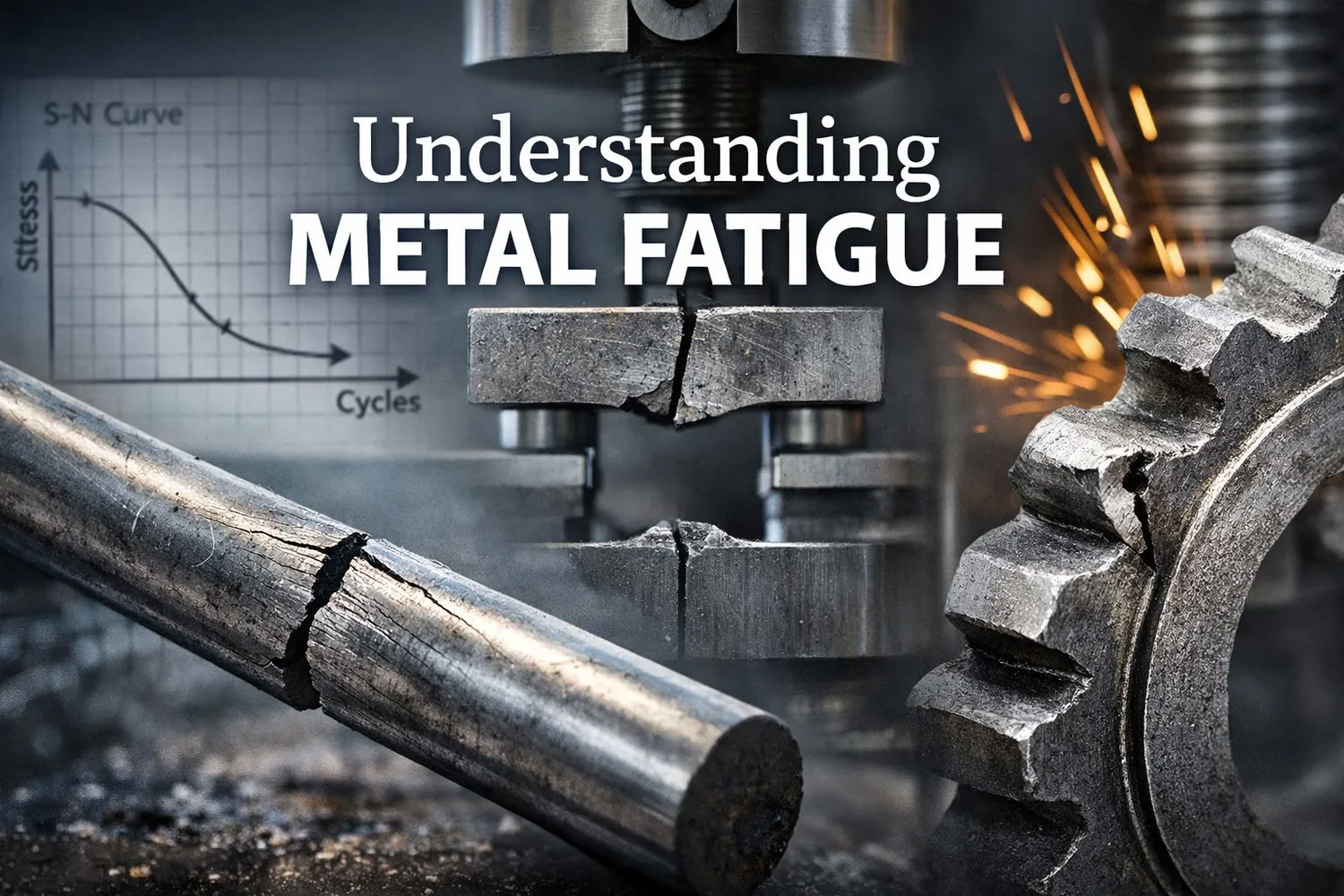
Jewelry often feels permanent. Rings, bracelets, and necklaces are made from metals that seem strong enough to last forever. But even durable metals gradually weaken when they experience repeated stress. This slow weakening process is known as metal fatigue.
Unlike sudden damage from an impact or accident, fatigue develops quietly. Small movements—bending a ring slightly while gripping something, opening a clasp thousands of times, or flexing a bracelet during wrist movement—create repeated stress inside the metal. The metal usually springs back to its original shape, but the internal structure changes little by little.
Eventually tiny cracks form inside the metal. These cracks grow slowly until the jewelry weakens enough that it bends, loosens, or breaks.
Because fatigue damage builds gradually, jewelry often shows early warning signs before failure occurs. Recognizing those signs allows repairs to be done before the damage becomes severe or before a stone is lost.
Understanding what to look for—and when to act—can help jewelry owners extend the life of pieces they wear every day.
Why Fatigue Damage Happens Gradually
Metal fatigue doesn’t usually begin with visible damage. Instead, it starts at a microscopic level.
Inside every metal are crystal structures known as grains. When the metal experiences repeated stress—such as bending or twisting—these grains shift slightly. Over time, the movement creates tiny internal irregularities.
Eventually microscopic cracks begin to form at weak points in the metal.
Those cracks are initially too small to see. However, each additional stress cycle causes the crack to grow slightly.
A ring worn daily may experience hundreds of small bending forces each day from activities such as typing, gripping objects, or carrying bags. Bracelets experience similar stress from wrist movement and contact with surfaces.
Because fatigue damage grows slowly, jewelry may look perfectly normal for years. Then one day the damage becomes visible.
This gradual process is why early warning signs matter. Once visible cracks appear, the damage has usually been developing for some time.
Visible Warning Signs of Metal Fatigue
Fatigue damage eventually becomes visible if it progresses far enough. These signs often appear in areas that experience repeated movement or stress.
Some warning signs are subtle, so they are easy to miss unless the jewelry is inspected closely.
Fine cracks in the metal
Hairline cracks are one of the clearest indicators of fatigue.
These cracks often appear:
· Along the bottom of ring bands
· Near joints or hinges in bracelets
· At the curved sections of chain links
· Near clasps or hook mechanisms
Under bright light, the crack may appear as a thin line in the metal surface.
If a crack is visible to the naked eye, the metal in that area has already weakened significantly. Continued wear may cause the crack to grow quickly.
Areas that bend more easily
Another warning sign occurs when part of the jewelry suddenly feels softer or more flexible.
For example, a ring band that once felt rigid may begin bending slightly during normal wear.
This change may indicate that the metal has weakened internally due to fatigue.
A chain link that bends easily or appears distorted may also signal fatigue damage.
Small gaps forming in metal components
Fatigue sometimes causes metal components to separate slightly.
Examples include:
· A ring band beginning to split at one point
· A chain link opening slightly
· A clasp hook no longer closing tightly
These small gaps can grow larger if the jewelry continues to experience stress.
Bent Prongs and Weakened Clasps
Fatigue damage often appears in the smaller structural parts of jewelry, especially components that move or flex regularly.
Bent or weakened prongs
Prongs hold gemstones in place. These thin metal claws experience repeated pressure during everyday activities.
Over time, prongs may weaken due to fatigue. Signs include:
· Prongs leaning away from the stone
· A prong that bends easily when touched
· Uneven spacing between prongs
If prongs weaken significantly, the stone may become loose or fall out.
Because prongs are small and delicate, fatigue damage can progress quickly once it begins.
Clasps that lose tension
Clasps contain springs or flexible metal parts that compress and release repeatedly.
After many cycles, these components may weaken.
Signs of fatigue in clasps include:
· The clasp not snapping closed firmly
· A clasp that opens too easily
· Difficulty keeping the clasp securely shut
Although a clasp might still function temporarily, weakened tension increases the risk of the jewelry falling off.
Cracks Near Joints and Hinges
Joints and hinges are among the most common fatigue failure points in jewelry.
These areas experience repeated movement. Each time a bracelet opens or closes, the hinge experiences a stress cycle.
Over time, cracks may develop around the hinge pin or along the metal surrounding it.
Early warning signs include:
· A hinge that feels loose or uneven
· Slight visible cracking near the hinge
· A bracelet that doesn’t close as smoothly as before
If a hinge crack spreads, the bracelet may eventually separate completely.
Because hinge areas are small and concentrated, fatigue damage there can progress faster than in thicker sections of metal.
Loose Stones Caused by Fatigue Damage
Loose stones are sometimes caused by impact or accidental damage. However, fatigue can also be responsible.
When metal weakens around a stone setting, the prongs or bezel holding the stone may lose their grip.
This often happens gradually.
The stone may begin to move slightly within the setting. Owners sometimes notice this as a faint clicking or rattling sound when the jewelry is tapped.
Fatigue-related looseness often develops when:
· Prongs bend slightly from repeated pressure
· The metal around the stone becomes thinner from wear
· A small crack forms near the base of a prong
If the stone becomes loose, it should be inspected promptly. A jeweler can often tighten the setting before the stone is lost.
When Jewelry Should Be Repaired
Fatigue damage becomes more difficult to repair as cracks grow larger.
Early repair is usually simpler and safer than waiting until a break occurs.
Jewelry should be inspected or repaired if any of the following appear:
· A visible crack in the metal
· A prong that bends easily or appears uneven
· A clasp that no longer closes securely
· A chain link that looks stretched or open
· A gemstone that moves in its setting
Ignoring these warning signs increases the chance of complete failure.
For example, a small crack in a ring band can often be repaired by reinforcing the area or rebuilding the section. If the band breaks completely, the repair may require replacing a larger portion of the ring.
Inspection Tips for Jewelry Owners
Regular inspection helps detect fatigue damage early.
Many early warning signs can be noticed at home with careful observation.
Use bright lighting
Inspect jewelry under strong light. A desk lamp or daylight often reveals small cracks or distortions that are difficult to see otherwise.
Rotate the jewelry slowly
Turning the piece while looking closely at it helps reveal irregularities in the metal surface.
Small cracks may appear briefly as the light catches them.
Check prongs individually
Run a fingernail gently along the tops of prongs. If a prong catches the nail or moves slightly, it may need professional inspection.
Test clasp security
Open and close the clasp several times. It should snap shut firmly and remain closed when lightly tugged.
Look for thinning metal
Areas that appear flatter or thinner than the rest of the piece may indicate long-term wear combined with fatigue.
Professional jewelers often use magnification to detect these issues more easily.
Common Situations That Accelerate Fatigue
Certain activities place additional stress on jewelry and can speed up fatigue damage.
Heavy gripping
Lifting weights, carrying bags with thin handles, or gripping tools presses objects against ring bands.
This repeated pressure bends the metal slightly each time.
Frequent clasp use
Necklaces or bracelets worn daily may have clasps that open and close hundreds of times each year.
Over time, the internal spring components may weaken.
Jewelry catching on objects
Chains and bracelets that frequently snag on clothing or bags experience sudden stress that can start fatigue cracks.
Sleeping with jewelry on
Movement during sleep can twist chains and bracelets repeatedly, increasing stress cycles.
Removing jewelry during these activities can help reduce fatigue damage.
Common Misunderstandings About Jewelry Fatigue
Several misconceptions cause people to overlook fatigue damage.
One common belief is that jewelry only breaks after a strong impact. In reality, many breaks occur after years of repeated small stresses.
Another misunderstanding is that expensive jewelry cannot experience fatigue. High-quality metals can still weaken if they experience repeated bending or pressure.
People also sometimes assume that a piece of jewelry is safe as long as it “looks fine.” Fatigue damage may exist internally long before visible cracks appear.
Regular inspection helps detect problems earlier.
FAQs About Metal Fatigue in Jewelry
How long does it take for metal fatigue to damage jewelry?
There is no fixed timeline. The rate depends on factors such as the thickness of the metal, the design of the piece, and how often it experiences stress.
Can fatigue damage be reversed?
No. Once microscopic cracks form, they cannot be undone. Repairs focus on removing or reinforcing the damaged section.
Are certain jewelry designs more prone to fatigue?
Thin bands, delicate chain links, and moving parts such as clasps and hinges often experience more stress cycles.
Does resizing a ring affect fatigue risk?
Resizing involves heating and reshaping the metal. When done correctly, it usually does not create immediate problems, but repeated resizing over many years may create areas where stress behaves differently.
Should jewelry be inspected regularly?
Pieces worn daily—especially rings and bracelets—benefit from periodic inspection by a jeweler who can examine the metal under magnification.
What should someone do if a crack appears?
Stop wearing the piece and have it inspected. Continued stress may cause the crack to grow quickly.
Do thicker rings resist fatigue better?
Thicker metal distributes stress more evenly and generally resists bending better. However, design and usage patterns also influence fatigue risk.
Metal fatigue is a slow process that often goes unnoticed until visible signs appear. Rings, bracelets, and other jewelry pieces experience small stresses every day from normal movement.
By learning the warning signs—such as cracks, weakened prongs, loose stones, and unreliable clasps—owners can catch fatigue damage early.
Prompt inspection and repair help prevent larger problems and allow jewelry to remain wearable for many more years.