
Checkout-applied offers have quietly become one of the most customer-friendly promotions in fine jewelry retail. No codes to remember, no pop-ups to chase, and no risk of entering the wrong combination at the last step. The discount simply appears when your cart meets the offer conditions. But while the process is designed to be seamless, getting the best value out of it still requires a smart approach.
This guide walks you through how these offers work, who they’re best suited for, and how to build a cart that maximizes value without unnecessary spending.
What This Offer Means
A checkout-applied offer is exactly what it sounds like: a promotion that activates automatically at checkout when your cart qualifies.
Instead of typing in a coupon code, the system recognizes eligible items in your cart and applies the discount instantly. This could take several forms:
- Buy one item, get another free or discounted
- Spend a certain amount and receive a complimentary piece
- Add two qualifying items and get the lower-priced one at no cost
The key difference is that you don’t need to do anything manually. The discount is triggered by your cart composition, not by entering a code.
This removes friction from the buying process, but it also means you must understand the rules clearly—because the system won’t explain your mistakes before checkout.
Who This Article Helps and When the Offer Is Worth Using
Checkout-applied offers are especially valuable for:
- First-time fine jewelry buyers looking for bundled value
- Gift shoppers purchasing multiple items at once
- Customers upgrading their collection while minimizing cost per piece
- Anyone who dislikes the hassle of coupon hunting
However, not every offer is automatically a good deal. It becomes worth using when:
- You genuinely need or plan to use both items
- The primary product already fits your budget and quality expectations
- The free or discounted item adds practical or gifting value
- The overall price aligns with market standards for similar pieces
If you’re only adding items to “unlock” a discount, you’re not saving—you’re spending more under the illusion of a deal.
How the Checkout Auto-Apply Flow Works Step by Step
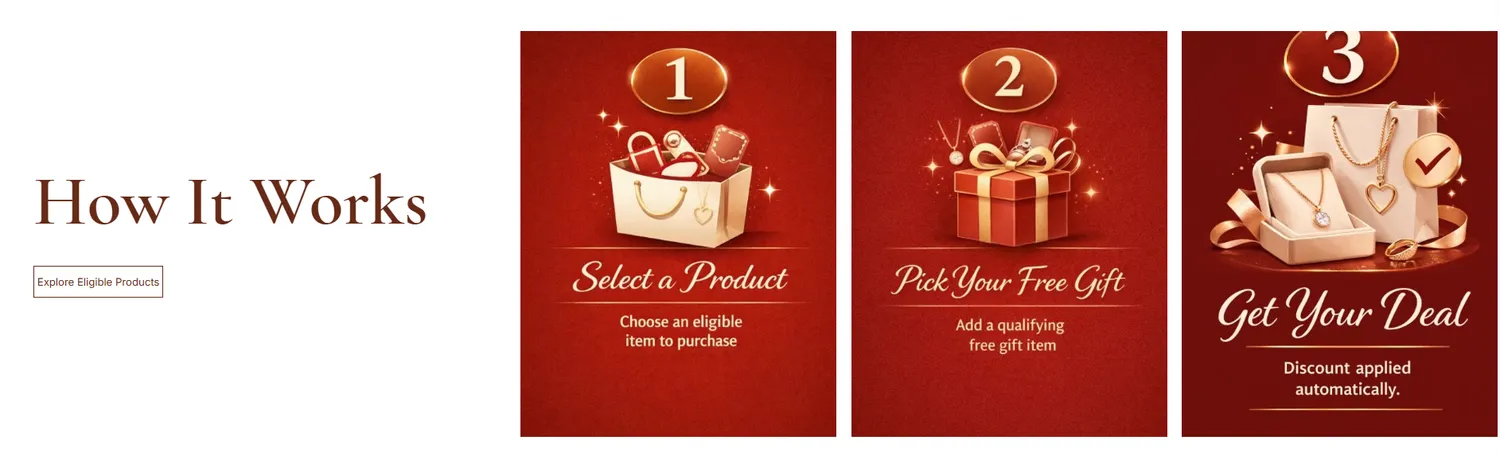
Understanding the flow helps you avoid errors and ensures the discount applies correctly.
Pick One Eligible Product
Start by selecting a primary piece that qualifies for the promotion. This is usually the higher-value item in your cart.
Look for:
- Clear “eligible for offer” tags on product pages
- Items within the specified category (rings, earrings, pendants, etc.)
- Minimum price thresholds, if mentioned
Focus on choosing something you would buy even without the offer. This keeps your purchase grounded in real value.
Add One Qualifying Free Gift Item
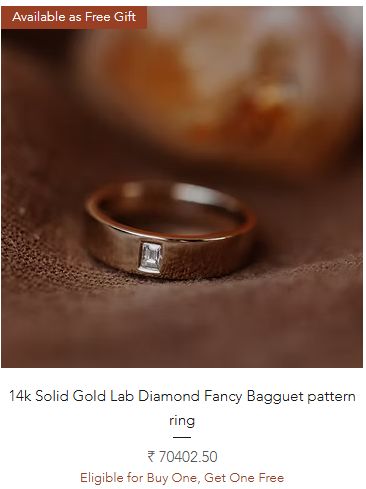
Next, add the second item that completes the offer condition.
This could be:
- A designated “free gift” category
- Any item within a lower price range
- A matching product type (e.g., earrings with a necklace)
Make sure the item meets all conditions. A mismatch—even by a small margin—can prevent the discount from applying.
Check the Discount Before Completing Checkout
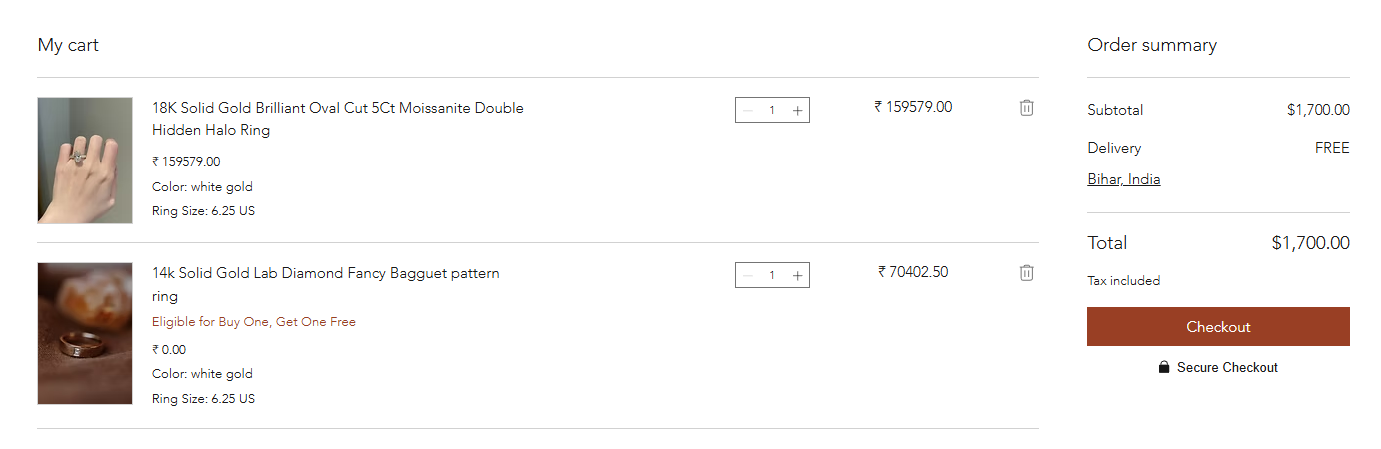
Before placing your order, always review your cart summary.
You should see:
- The discount clearly listed
- The adjusted total reflecting the offer
- No unexpected charges or missing benefits
If the discount isn’t visible:
- Recheck item eligibility
- Confirm quantity requirements
- Ensure no exclusions apply
Never assume the offer will apply later—it either appears in your cart or it doesn’t.
Best Cart-Building Strategies for Value Without Overbuying
The smartest shoppers treat checkout-applied offers as a bonus, not a reason to overspend.
Here’s how to build your cart strategically:
Start With Intent, Not the Offer
Decide what you actually need before browsing promotions. Whether it’s a daily-wear chain or a statement ring, anchor your purchase around a clear goal.
Pair Smartly, Not Randomly
Choose combinations that make sense:
- A premium necklace with simple studs for everyday use
- A statement piece paired with a versatile basic
- A gift item matched with a personal purchase
Avoid pairing two items that serve the same purpose unless both are necessary.
Use the Offer for Gifting Efficiency
One of the best uses of these promotions is splitting value across recipients.
For example:
- Buy a higher-end item for yourself and use the free piece as a gift
- Purchase two gifts at once while paying for only one
This approach maximizes emotional and financial return.
Stay Within Budget Boundaries
It’s easy to justify a higher spend when a discount is involved. Set a firm budget before you start and stick to it.
If the offer requires you to exceed your limit, it’s not the right offer for you.
Evaluate Quality, Not Just Price
A free item still represents your brand experience. Ensure both pieces meet acceptable standards in:
- Material quality
- Craftsmanship
- Design longevity
A low-quality free item can reduce overall satisfaction, even if the deal looks attractive.
Common Mistakes, FAQs, and a Smart Next Step
Even experienced shoppers can make small errors that cost them the discount.
Common Mistakes to Avoid
- Adding non-eligible items and expecting the discount to apply
- Ignoring minimum spend requirements
- Forgetting to add the second item entirely
- Assuming all items on the site are included in the promotion
- Rushing through checkout without verifying the applied discount
Frequently Asked Questions
Do I need a coupon code for these offers?
No. The discount is applied automatically when your cart qualifies.
Can I combine this with other promotions?
In most cases, checkout-applied offers cannot be stacked with additional discounts. Always check the terms.
What happens if I return one item?
Returns may affect the offer eligibility. You might lose the discount or need to return both items, depending on the policy.
Is the free item always completely free?
Usually yes, but taxes or shipping may still apply depending on the retailer.
Final Thoughts and Your Next Move
Checkout-applied offers simplify the buying process, but they reward thoughtful shoppers the most. When approached strategically, they allow you to expand your jewelry collection, handle gifting efficiently, and reduce your overall cost per piece.
The key is to stay intentional—choose what you truly need, verify the details, and let the offer enhance your purchase rather than dictate it.