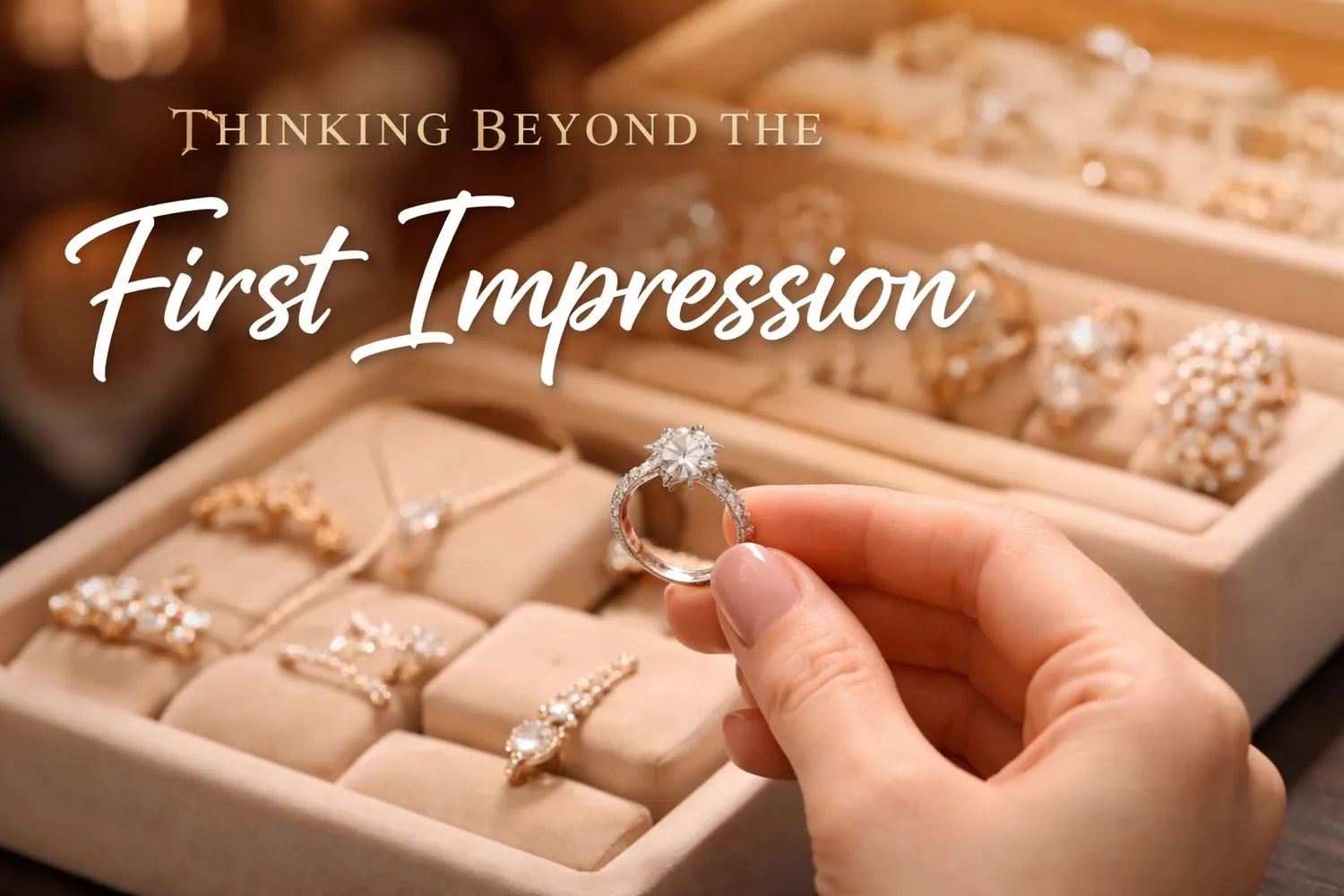
Jewelry is one of the most emotional purchases people make.
Unlike everyday items, jewelry is rarely bought just for function. A ring may represent a relationship. A necklace might mark a milestone. Earrings could celebrate a birthday, promotion, or personal achievement. Because these purchases often happen during meaningful moments, emotions naturally play a large role.
There’s nothing wrong with that. Emotion is part of what makes jewelry special.
Problems tend to appear when emotion becomes the only factor guiding the decision. A piece that feels perfect in a moment of excitement may later turn out to be uncomfortable, fragile, impractical, or simply not something the buyer wears often.
Smart jewelry buying doesn’t mean removing emotion from the process. Instead, it means combining emotional meaning with thoughtful evaluation. When those two elements work together, the result is a piece that feels meaningful now and still makes sense years later.
Understanding how emotional buying happens—and how to balance it with practical thinking—helps buyers make decisions they’re less likely to regret.
Emotional Triggers in Jewelry Shopping
Certain features of jewelry naturally trigger emotional reactions. Retail environments often amplify these reactions through lighting, presentation, and storytelling.
Sparkle and visual impact
Human vision is naturally drawn to bright reflections. Gemstones produce flashes of light that catch attention quickly, especially when viewed under strong lighting.
When a ring or necklace sparkles dramatically, the immediate reaction is often emotional: excitement, admiration, or fascination.
This reaction happens before logical evaluation begins.
That’s why buyers sometimes fall in love with a piece instantly without considering details such as comfort, durability, or long-term style compatibility.
Symbolism and meaning
Jewelry frequently carries symbolic meaning. Engagement rings represent commitment. Anniversary gifts celebrate time together. Graduation jewelry marks achievement.
Because of this symbolism, buyers often feel pressure to choose something that “feels right” emotionally.
During these moments, the emotional significance of the purchase can overshadow practical evaluation of the piece itself.
Social expectations
Certain jewelry purchases happen within social traditions.
Engagement rings, wedding bands, and milestone gifts often involve expectations from family, partners, or cultural norms.
These expectations can create emotional urgency. Buyers may feel that choosing quickly demonstrates commitment or affection.
That urgency sometimes leads to decisions made without careful comparison or reflection.
Presentation and environment
Retail settings are designed to enhance emotional reactions.
Bright lighting increases sparkle. Soft music creates a relaxed atmosphere. Display cases isolate individual pieces so they appear more important.
These environmental cues encourage buyers to focus on how a piece makes them feel rather than how it performs in everyday life.
Situations Where Emotions Drive Purchases
Emotional buying often occurs during specific life situations. Recognizing these contexts helps buyers stay aware of their decision-making process.
Engagement and relationship milestones
Few purchases carry as much emotional weight as engagement rings or anniversary gifts.
During these moments, buyers often want the jewelry to represent their feelings perfectly. That desire can push them toward dramatic designs or quick decisions.
Because these pieces are usually worn frequently, balancing emotion with practical considerations—such as durability and comfort—becomes especially important.
Celebratory events
Birthdays, promotions, and personal achievements often inspire jewelry purchases.
The excitement of the event can lead to impulse decisions. A necklace bought during a celebration may feel perfect in the moment but may not match the buyer’s everyday style.
Taking time to consider how the piece fits into daily life can prevent this mismatch.
Travel purchases
Jewelry purchased while traveling can carry strong emotional associations with the trip.
However, travel environments sometimes encourage faster decisions. Limited time, unfamiliar stores, or excitement about the experience may lead buyers to rely mainly on emotional reactions.
Evaluating quality and practicality becomes harder when time feels limited.
“Treat yourself” moments
People sometimes buy jewelry as a personal reward after achieving a goal or overcoming a challenge.
These purchases can feel empowering and meaningful. However, self-reward moments can also lead to spending decisions driven by mood rather than thoughtful evaluation.
Risks of Impulse Buying
Impulse buying isn’t automatically negative. Some spontaneous purchases turn into favorite items.
However, jewelry presents certain risks when decisions happen too quickly.
Style fatigue
Bold designs that feel exciting initially may become less appealing over time.
A large statement necklace, for example, might look impressive in a store but may not fit comfortably into everyday outfits.
When the novelty fades, the piece may be worn only occasionally—or not at all.
Comfort issues
Trying on jewelry briefly rarely reveals long-term comfort.
Rings that spin on the finger, earrings that pull downward, or necklaces that twist frequently may feel manageable for a few minutes but frustrating during extended wear.
Comfort problems are one of the most common reasons jewelry ends up unused.
Durability concerns
Impulse decisions sometimes overlook structural details such as stone settings, metal thickness, or clasp strength.
These factors affect how well the piece holds up over time.
A beautiful design that requires frequent repairs can become inconvenient to wear.
Budget regret
Jewelry purchases often involve significant expense. Emotional buying can lead to spending more than originally planned.
Later reflection may create financial regret, especially if the piece isn’t worn regularly.
Setting a budget beforehand helps prevent this outcome.
Balancing Emotion with Practicality
Emotion should remain part of jewelry buying. The goal isn’t to remove emotional meaning but to combine it with thoughtful evaluation.
Several strategies help maintain that balance.
Pause before committing
If a piece creates strong excitement immediately, it’s often worth stepping away briefly.
Taking a day—or even a few hours—allows the initial emotional reaction to settle.
If the design still feels appealing after that pause, the attraction may be more durable.
Imagine real-life use
Before purchasing, picture where and when the jewelry will be worn.
Questions such as the following help clarify practicality:
- Would I wear this to work?
- Does it fit my everyday clothing style?
- Will it feel comfortable during daily activities?
Visualizing real situations often reveals whether a piece fits long-term use.
Examine construction
Even emotionally meaningful jewelry benefits from structural evaluation.
Checking how stones are set, how thick the metal components are, and how secure the clasp feels helps ensure the piece can handle regular wear.
Durability supports the emotional value by ensuring the jewelry lasts.
Separate symbolism from design
Sometimes the emotional significance of a moment becomes attached to a specific piece of jewelry.
But the symbolism doesn’t necessarily require that exact design.
Buyers can preserve the emotional meaning while still choosing a design that suits long-term wear.
Creating a Thoughtful Buying Process
A simple buying process helps reduce impulsive decisions while keeping emotion involved.
Step 1: Define the purpose
Identify why the jewelry is being purchased.
Is it intended for daily wear, occasional events, or a special milestone? The answer affects design choices and durability requirements.
For example, a ring worn daily should prioritize comfort and structural strength.
Step 2: Set boundaries before shopping
Establishing a budget and preferred style range beforehand prevents emotional reactions from expanding the decision beyond practical limits.
This step also makes comparison easier.
Step 3: Compare multiple options
Looking at several pieces with similar designs helps highlight differences in comfort, craftsmanship, and visual balance.
Comparison reduces the chance that excitement about the first appealing piece will lead to an immediate purchase.
Step 4: Ask practical questions
Retail staff can often provide useful information when asked specific questions about:
- stone security
- maintenance requirements
- durability for daily wear
These details help ensure the piece fits long-term use.
Step 5: Reflect before finalizing
Even after selecting a favorite piece, taking time to reflect before purchasing can confirm the decision.
If the design still feels right after that reflection period, the purchase likely combines emotional satisfaction with practical sense.
Questions to Ask Before Committing
A few direct questions can reveal whether a jewelry purchase balances emotion and practicality.
Will I wear this regularly?
If a piece only fits rare occasions, its emotional appeal may fade once the event passes.
Is the design comfortable?
Testing comfort by moving naturally while wearing the piece helps reveal potential issues.
Does the structure look durable?
Checking prongs, clasps, and metal thickness provides clues about longevity.
Does the design rely heavily on trends?
Highly trend-driven designs may feel dated faster than balanced, versatile ones.
Does this fit within my budget?
Ensuring the purchase aligns with financial plans reduces future regret.
Would I still choose this tomorrow?
This question encourages buyers to imagine the decision after the emotional moment has passed.
Common Mistakes When Emotion Leads the Process
Certain patterns appear repeatedly in emotionally driven jewelry purchases.
Falling for display lighting
Jewelry often looks brighter in store lighting than in everyday environments. Buyers sometimes assume that level of sparkle will appear everywhere.
Viewing the piece near natural light can provide a more realistic impression.
Choosing size over balance
Large stones or elaborate designs can feel impressive initially but may become impractical.
Balanced proportions often remain more wearable over time.
Ignoring maintenance needs
Some designs require periodic tightening of stones or careful handling.
Buyers who prefer low-maintenance jewelry may want simpler settings.
Rushing during meaningful moments
Emotional events sometimes create pressure to make immediate decisions.
Allowing time for thoughtful consideration helps ensure the jewelry remains satisfying after the event ends.
FAQs
Is emotional buying always bad when purchasing jewelry?
No. Jewelry often carries emotional meaning, and that meaning is part of its value. Problems arise only when emotional reactions replace practical evaluation entirely.
Should buyers wait before making a purchase?
Waiting can help confirm whether attraction to a piece is lasting or simply excitement from the moment. Even a short pause can provide clarity.
How can someone tell if they’re making an impulse decision?
If the purchase feels urgent, driven by excitement, or influenced by pressure to decide quickly, it may be an impulse decision.
Are sentimental purchases more likely to be impulsive?
Not necessarily. Sentimental purchases can be thoughtful if buyers take time to consider design, comfort, and durability.
Can a spontaneous purchase still become a favorite piece?
Yes. Some impulse purchases work out well. The goal of thoughtful buying is simply to increase the chances that the jewelry remains enjoyable long term.
Should practicality always outweigh emotion?
Ideally, the two work together. Emotion gives jewelry meaning, while practicality ensures the piece remains wearable.
What if someone loves a piece but it isn’t very practical?
Occasional-wear jewelry can still be worthwhile if the buyer understands when it will realistically be worn.
Jewelry buying almost always begins with emotion. A piece catches the eye, sparks excitement, or feels meaningful in a particular moment.
That emotional connection is part of what makes jewelry special.
But the pieces people cherish most over time usually combine that emotional spark with thoughtful decision-making. They’re comfortable to wear, structurally sound, and versatile enough to fit real life.
When buyers pause long enough to balance emotion with practicality, jewelry becomes more than a beautiful object. It becomes something that continues to feel right—not just in the moment, but years later.