The First Question Isn’t “Is It On Sale?”—It’s “Is It Worth It?”
A sale tag can feel like a green light to buy—but seasoned jewelry buyers know better. The real question isn’t whether something is discounted; it’s whether it delivers lasting value. In fine jewelry, “value” isn’t just about price. It’s a combination of craftsmanship, materials, design longevity, and how often you’ll actually wear the piece.
A $300 ring that tarnishes, bends, or falls out of style within months is far more expensive than a $700 piece you wear for years. Shopping sale-worthy styles requires a shift in mindset: from chasing discounts to recognizing enduring quality at a smart price.
This is where many buyers go wrong—they shop emotionally during promotions rather than strategically. The result? A drawer full of “good deals” that never quite feel right.
What Really Drives Jewelry Cost?
Materials: The Foundation of Value
The biggest contributor to cost is material quality. Solid gold, especially 14k or 18k, holds its value and resists tarnishing. Gold vermeil or gold-plated pieces, while more affordable, have a shorter lifespan.
Diamonds and gemstones also play a significant role. Natural diamonds command higher prices due to rarity, while lab-grown diamonds offer similar brilliance at a lower cost. Gemstones vary widely depending on clarity, origin, and treatment.
Understanding this helps you decode pricing. A steep discount on a plated piece may still not be a great buy if longevity matters to you.
Craftsmanship: The Hidden Differentiator
Two pieces may look identical online, but their construction can differ dramatically. Hand-set stones, secure prongs, smooth finishes, and balanced weight all indicate better craftsmanship.
Mass-produced jewelry often cuts corners—thin bands, weak clasps, or poorly set stones. These details don’t always show in photos, but they determine how the piece performs over time.
Design Complexity and Branding
Intricate designs require more labor, which increases cost. Similarly, brand positioning can add a premium. While some brands justify it with quality, others rely heavily on marketing.
Smart buyers learn to distinguish between true craftsmanship and inflated branding.
Visual Impact: Looking Expensive Without Overspending
Size Isn’t Everything
A larger stone doesn’t always mean a better look. Shape, setting, and proportion can dramatically influence perceived size. Oval, pear, and marquise cuts, for example, often appear larger than round stones of the same carat weight.
Settings That Amplify Presence
Halo settings, cluster designs, and pavé bands can create a bigger visual impact without significantly increasing cost. These styles reflect more light and give the illusion of size and brilliance.
Minimalist solitaire designs, while timeless, rely heavily on the quality of a single stone—making them less forgiving if you’re trying to save.
Metal Choice Matters
Yellow gold has made a strong comeback in the US market, offering a warm, rich look that enhances most skin tones. White gold and platinum feel more modern and understated, while rose gold adds a romantic, trendy touch.
Choosing the right metal can elevate even a modest piece.
Where to Spend More
Engagement Rings and Everyday Staples
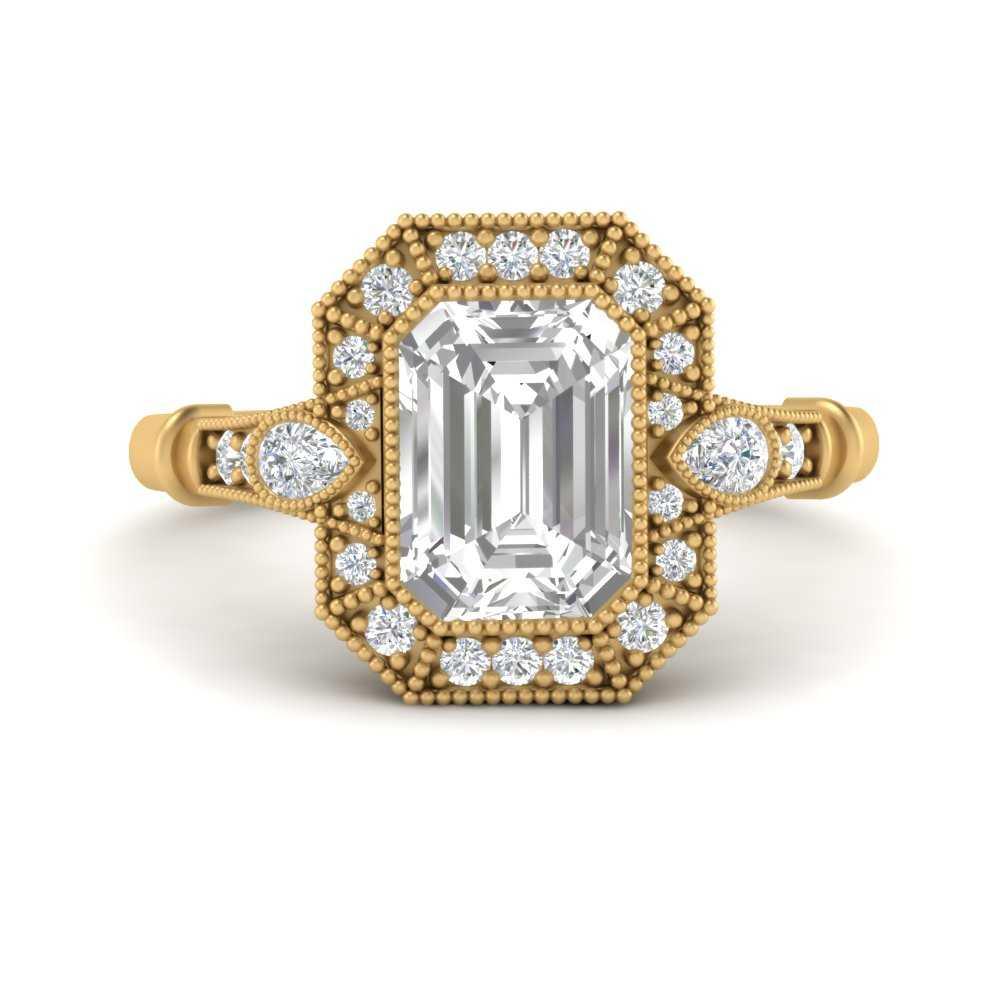
If a piece is meant for daily wear—like an engagement ring, wedding band, or signature necklace—it’s worth investing in durability. Solid gold, high-quality settings, and well-cut stones ensure longevity.
These are not the pieces to compromise on. Repairs and replacements quickly erase any initial savings.
Clasps, Chains, and Structural Elements
Often overlooked, these components determine how secure and wearable a piece is. A weak clasp or thin chain can ruin an otherwise beautiful design.
Spending a bit more here ensures peace of mind.
Stone Setting Quality
Loose stones are one of the most common issues in cheaper jewelry. Secure prongs or bezel settings reduce this risk significantly. It’s a detail worth paying for.
Where to Save Smarter
Trend-Driven Pieces
If you’re buying into a trend—chunky hoops, colorful gemstones, or layered necklaces—it’s okay to spend less. Trends evolve quickly, and these pieces may not stay in rotation for long.
Opt for well-made but more affordable versions rather than high-end investments.
Lab-Grown Diamonds
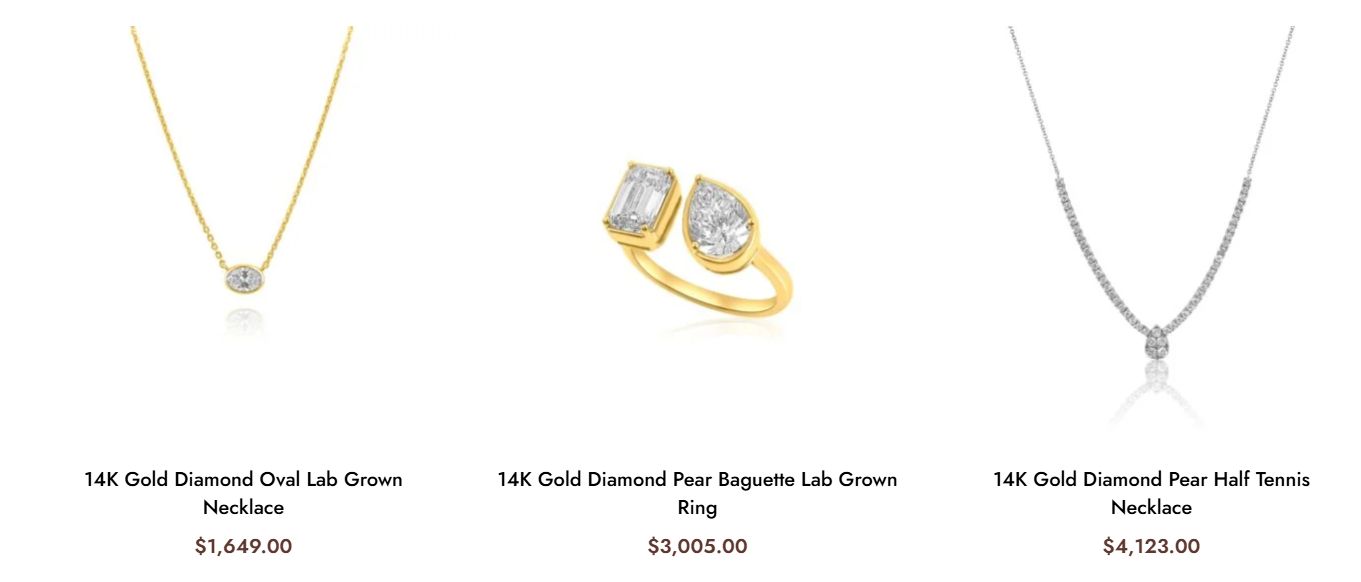
Lab-grown diamonds have become a smart alternative for budget-conscious buyers in the US. They offer the same sparkle and durability at a fraction of the cost.
This is one of the easiest ways to maximize visual impact without overspending.
Smaller Accent Stones
Accent diamonds or gemstones don’t need to be top-tier. Slight inclusions or lower color grades are rarely noticeable in smaller sizes, making them a smart place to save.
Best-Value Categories Worth Exploring
Everyday Gold Jewelry
Simple gold hoops, chains, and stacking rings offer versatility and long-term value. These pieces transition seamlessly from casual to formal settings.
Minimalist Diamond Pieces
Delicate diamond pendants, studs, and slim bands deliver elegance without excessive cost. They’re easy to wear daily and layer effortlessly.
Stackable and Layering Styles
Stackable rings and layered necklaces allow you to build a personalized look over time. Instead of one large purchase, you can curate your collection gradually—often taking advantage of sales along the way.
Personalized Jewelry
Initial necklaces, birthstone rings, and custom engravings add emotional value, making them feel more “worth it” even at mid-range prices.
How to Evaluate a Sale Like a Pro
Check the Original Price—Critically
Not all discounts are genuine. Some retailers inflate original prices to make deals look better. Compare similar items across multiple stores to gauge true market value.
Read the Fine Details
Look beyond product photos. Check metal type, stone specifications, and return policies. A good deal should still meet your quality standards.
Think Cost Per Wear
This simple concept changes everything. Divide the price by how often you’ll realistically wear the piece. A $500 necklace worn twice a week for years is far more economical than a $100 piece worn twice ever.
Avoid Impulse Buying
Sales create urgency, but jewelry should be a considered purchase. If you wouldn’t buy it at full price, question why you want it now.
Common Mistakes to Avoid
Prioritizing Size Over Quality
A larger but poorly cut or low-quality stone often looks dull. Smaller, well-cut stones deliver more brilliance and sophistication.
Ignoring Comfort and Fit
A ring that spins or a necklace that tangles will rarely be worn. Comfort is part of value.
Overlooking Maintenance Needs
Some pieces require more care than others. If you prefer low-maintenance jewelry, prioritize durable materials and secure settings.
Building a Smart Jewelry Wardrobe on a Realistic Budget
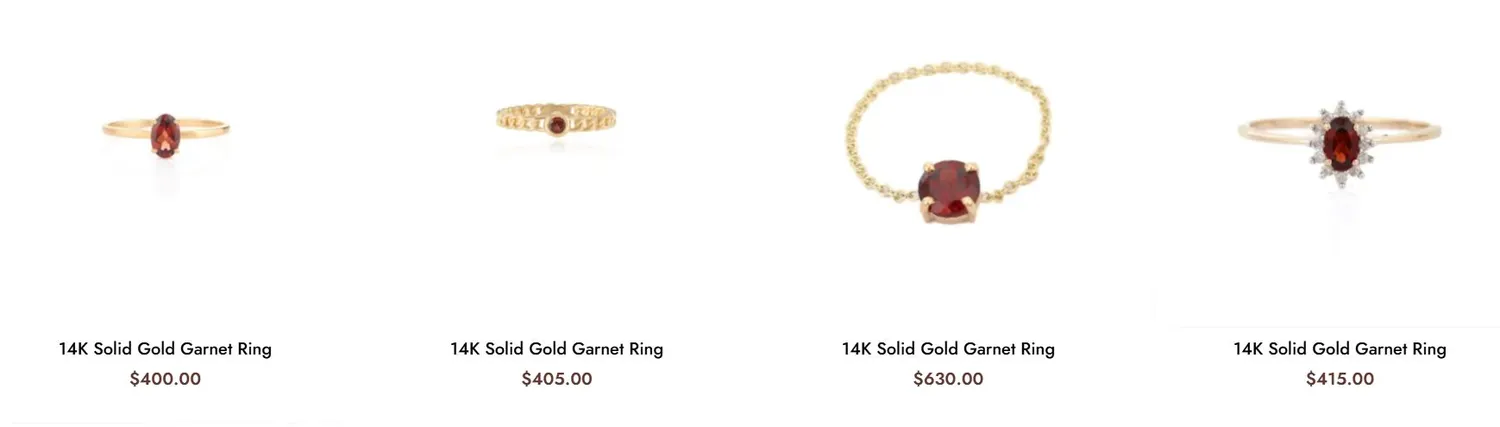
You don’t need a massive budget to build a refined jewelry collection. Start with essentials:
- A pair of gold or diamond studs
- A versatile chain necklace
- A stackable ring or two
- A statement piece for special occasions
From there, expand धीरे-धीरे (gradually), focusing on pieces that complement what you already own.
Sales can be a powerful tool—but only if used strategically. Think of them as opportunities to acquire pieces you’ve already considered, not excuses to buy something new without intention.
The Bottom Line: Buy Less, Choose Better
The smartest jewelry shoppers aren’t the ones who find the biggest discounts—they’re the ones who recognize true value.
A sale should enhance your buying decision, not drive it. When you understand what affects cost, how design influences perception, and where to invest versus save, you stop second-guessing your choices.
Instead of chasing deals, you start building a collection that feels cohesive, intentional, and worth every dollar spent.
And that’s the difference between buying jewelry—and buying it well.