
Fine jewelry is designed to last—but only if it’s treated with care. Many people assume their pieces are more durable than they actually are, wearing them through workouts, tossing them into drawers, or cleaning them with harsh products. These small, everyday habits may seem harmless, but over time they can dull finishes, loosen stones, and permanently damage even high-quality items.
If you’ve ever wondered why your jewelry doesn’t look as brilliant as it once did, the answer is often hidden in routine care mistakes. Understanding what not to do—and replacing those habits with smarter alternatives—can significantly extend the life and beauty of your collection.
The Everyday Question: Are You Caring for Your Jewelry the Right Way?
Most jewelry damage doesn’t happen all at once. It builds slowly through repeated exposure to moisture, friction, chemicals, and improper storage. The key isn’t complicated maintenance—it’s consistency and awareness.
Think of jewelry care like fabric care for fine clothing: you wouldn’t toss a silk blouse into a hot wash cycle. Jewelry deserves the same level of attention.
Common Jewelry Care Mistakes to Avoid
Wearing Jewelry During Physical Activities
One of the most common mistakes is keeping jewelry on during workouts, household chores, or outdoor activities. Sweat contains salt and acids that can dull metals and weaken settings. Impact from weights or tools can bend prongs or scratch surfaces.
What to do instead:
Remove rings, bracelets, and delicate necklaces before exercising, cleaning, gardening, or lifting anything heavy.
Exposing Jewelry to Chemicals
Lotions, perfumes, hairsprays, and cleaning agents all contain chemicals that can react with metals and gemstones. Over time, these substances can cause discoloration, buildup, or even erosion.
What to do instead:
Adopt a simple rule: last on, first off. Put your jewelry on after applying beauty products and remove it before cleaning or swimming.
Showering or Swimming with Jewelry
Water alone may seem harmless, but it often carries chlorine, salt, or minerals. Chlorine is particularly damaging to gold alloys, while saltwater can corrode metals and dull gemstones.
What to do instead:
Always remove jewelry before showering, swimming in pools, or entering the ocean.
Improper Storage Habits
Tossing jewelry into a drawer or leaving it exposed on a countertop can lead to scratches, tangles, and dust buildup. Different metals and gemstones can also scratch each other when stored together.
What to do instead:
Store each piece separately in a soft-lined jewelry box or pouch. Use compartments or anti-tarnish bags to keep items protected and organized.
Skipping Regular Cleaning
Dirt, oil, and everyday residue build up quickly, especially on rings and earrings. Without cleaning, this buildup can dull shine and make stones appear cloudy.
What to do instead:
Clean your jewelry gently at home using mild soap, warm water, and a soft brush. Dry thoroughly with a lint-free cloth.
Ignoring Professional Maintenance
Even well-cared-for jewelry needs occasional professional attention. Prongs can loosen, clasps can weaken, and settings may shift over time.
What to do instead:
Have your jewelry inspected by a professional jeweler once or twice a year to ensure everything remains secure and in good condition.
Smart Jewelry Care: Practical Do’s and Don’ts
Do’s
- Remove jewelry before physical activities
- Store pieces individually
- Clean regularly with gentle methods
- Keep jewelry dry and away from chemicals
- Schedule periodic professional inspections
Don’ts
- Don’t wear jewelry in pools or hot tubs
- Don’t expose pieces to perfumes or sprays
- Don’t store items loosely together
- Don’t use abrasive cleaners or brushes
- Don’t ignore loose stones or damaged clasps
Storage Tips That Make a Big Difference
Proper storage is one of the simplest yet most overlooked aspects of jewelry care.
Use Separate Compartments
Keeping items separated prevents scratches and tangling. Necklaces should be hung or laid flat to avoid knots.
Choose Soft-Lined Boxes
Velvet or fabric-lined boxes protect delicate surfaces and reduce friction.
Keep Away from Humidity
Moisture accelerates tarnishing, especially for silver. Store jewelry in a cool, dry place—ideally with anti-tarnish strips or silica packets.
Wearing Jewelry the Right Way
Daily Wear Awareness
Even everyday jewelry needs breaks. Constant wear increases exposure to sweat, oils, and friction.
Layering with Care
Layered necklaces and stacked rings are stylish but can rub against each other, causing micro-scratches.
Mindful Removal
Take jewelry off gently rather than pulling or twisting, which can weaken clasps and settings over time.
Traveling with Jewelry: Avoid Costly Mistakes
Travel introduces new risks—movement, temperature changes, and the chance of loss.
Pack Smart
Use a travel jewelry case with compartments to keep pieces secure and untangled.
Limit What You Bring
Avoid carrying your entire collection. Choose versatile pieces that match multiple outfits.
Keep Jewelry in Carry-On Bags
Checked luggage increases the risk of loss or damage. Always keep valuable items with you.
Maintenance Habits That Extend Longevity
Routine At-Home Cleaning
A simple cleaning routine every few weeks keeps jewelry looking fresh and prevents buildup.
Professional Check-Ups
Annual inspections can catch issues early—like loose stones or worn prongs—before they become serious problems.
Re-Polishing and Re-Plating
White gold may need re-plating over time, and other metals benefit from occasional polishing to restore shine.
Quick Care Checklist by Jewelry Type
Rings
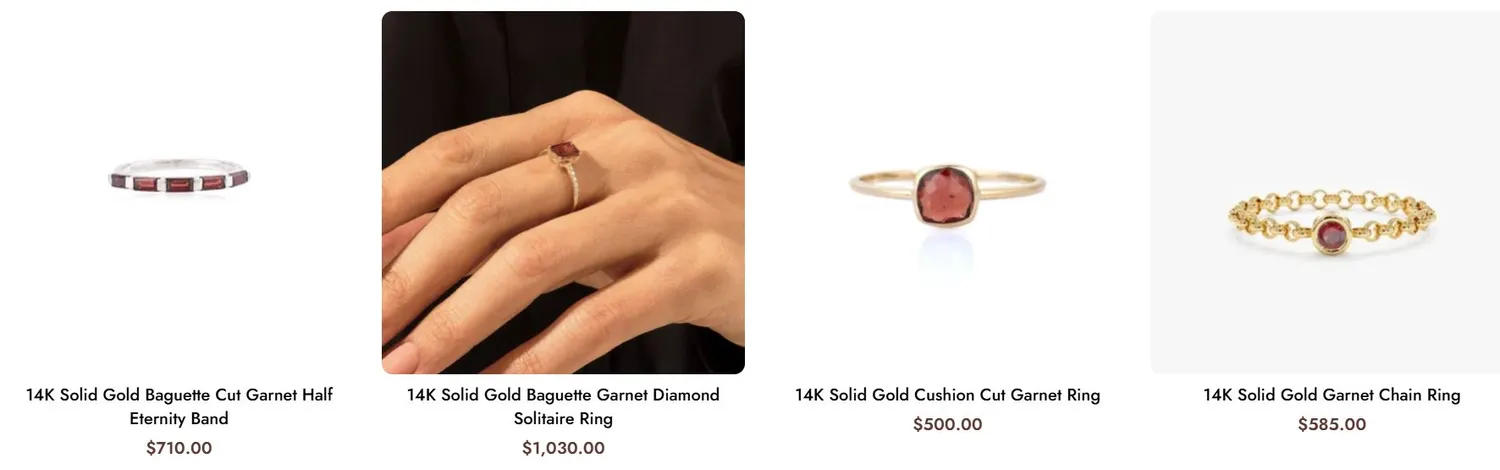
- Remove before washing hands with harsh soap or sanitizer
- Clean frequently due to constant contact with surfaces
- Check prongs regularly for loose stones
Necklaces

- Store flat or hanging to avoid tangling
- Remove before sleeping to prevent chain stress
- Clean clasps and chains to remove buildup
Earrings
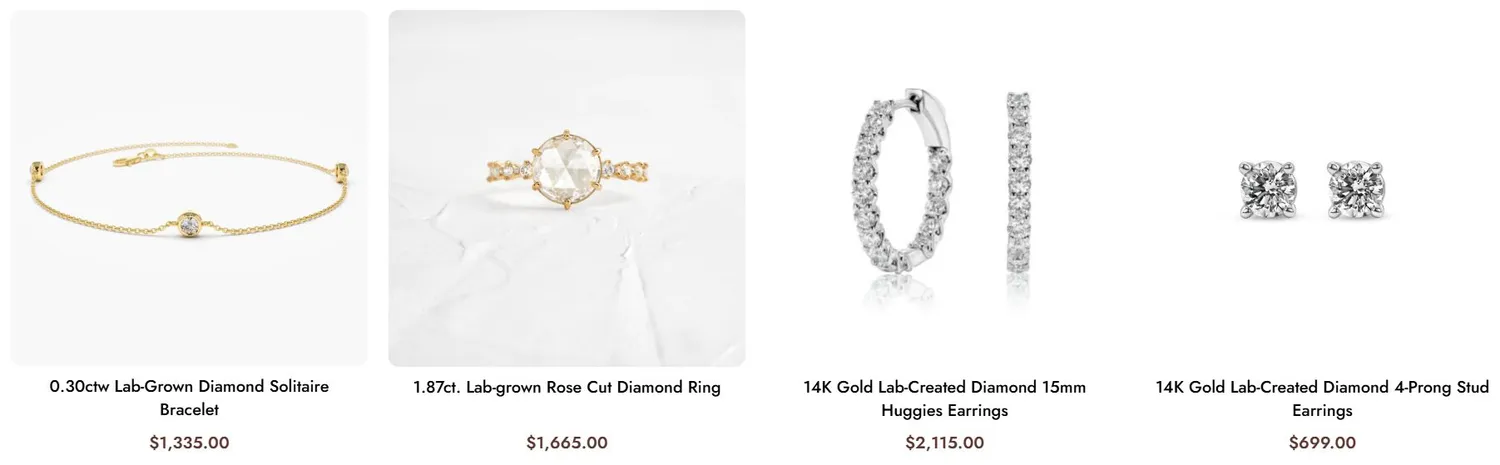
- Clean regularly to prevent residue buildup
- Store in pairs to avoid loss
- Handle posts and backs carefully to avoid bending
Bracelets

- Remove before typing or desk work to reduce scratches
- Store flat to maintain shape
- Check clasps for secure closure
The Subtle Impact of Small Habits
What makes jewelry care tricky is that damage often happens gradually. A ring worn in the shower once won’t show immediate effects—but repeated exposure will. A necklace tossed into a drawer may look fine today, but over time it will lose its polish and structure.
By correcting small habits now, you protect both the beauty and value of your pieces for years to come.
Care-Smart Habits That Make Jewelry Last
Caring for jewelry doesn’t require expensive tools or complicated routines. It comes down to mindfulness—knowing when to remove pieces, how to store them, and when to seek professional help.
Treat your jewelry as an investment, not an accessory you can overlook. With consistent care, your favorite pieces won’t just last—they’ll continue to shine, carry memories, and look as stunning as the day you first wore them.
Make the shift from casual wear to intentional care, and your jewelry will reward you with lasting brilliance.