When choosing an engagement ring or a piece you plan to wear every day, the setting matters just as much as the stone itself. It shapes not only how your ring looks but also how it feels on your hand, how it holds up to daily life, and how confidently you can wear it without worry. Among all styles, two settings dominate the conversation: bezel and prong. Both are timeless, both are beautiful—but they serve very different lifestyles.
This guide breaks down how each setting affects appearance, finger coverage, comfort, and everyday practicality, so you can decide which truly feels safer and smarter for daily wear.
Understanding the Basics: What Sets Them Apart
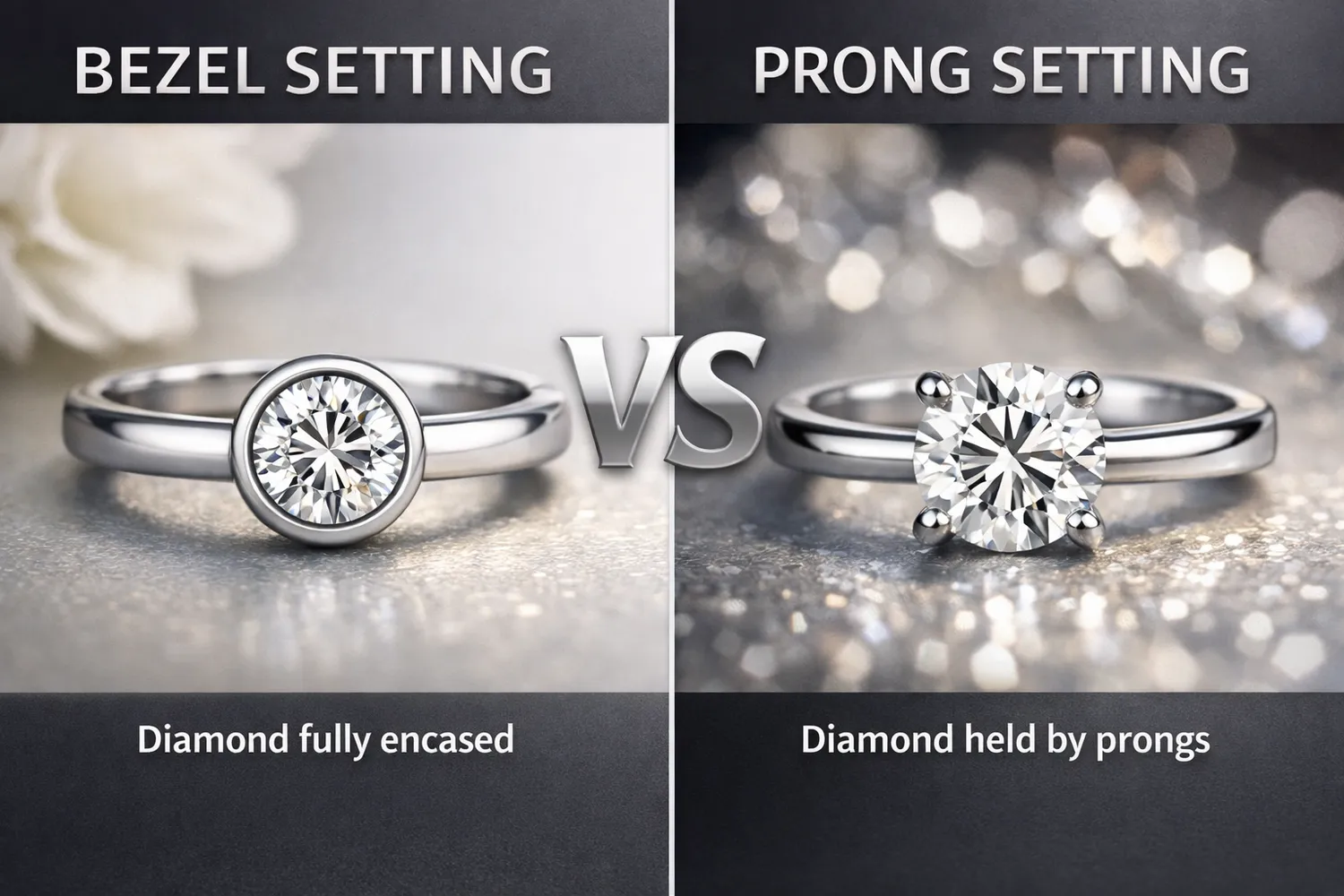
At a glance, the difference between bezel and prong settings is structural.
A bezel setting surrounds the gemstone with a smooth metal rim, either fully encircling it or partially hugging its edges. The stone sits securely within this frame, with minimal exposure.
A prong setting, on the other hand, uses small metal claws—typically four or six—to hold the gemstone in place. This lifts the stone slightly above the band, allowing more light to pass through.
While both styles can showcase the same diamond or gemstone, the way they interact with light, movement, and daily wear is entirely different.
How Each Setting Changes the Look
Bezel: Sleek, Modern, and Subtle
A bezel setting creates a clean, contemporary silhouette. The metal frame outlines the stone, giving it a slightly more structured appearance. Because the edges are enclosed, the overall look feels smooth and intentional—almost architectural.
Bezel settings often make stones appear slightly smaller than they are, but they compensate with a bold, polished presence. They’re especially striking in minimalist designs and pair beautifully with yellow gold, white gold, or platinum.
Prong: Classic, Elevated, and Brilliant
Prong settings are all about showcasing the stone. By exposing more of the diamond, they maximize light reflection, making the gem appear brighter and larger.
This is the iconic engagement ring look—timeless, romantic, and eye-catching. Whether it’s a solitaire or a halo design, prongs give the stone center stage.
If visual brilliance and traditional elegance are your priorities, prong settings naturally stand out.
Finger Coverage and Presence
The way a ring sits on your finger can subtly change how your hand looks overall.
Bezel settings tend to sit lower and closer to the finger. This creates a streamlined profile that feels integrated rather than raised. It’s ideal for those who prefer a ring that doesn’t protrude or catch attention through height.
Prong settings, by contrast, elevate the stone. This gives the ring more presence and dimension, making it feel prominent and luxurious. The raised structure also allows for creative variations like cathedral settings or hidden halos.
If you like a ring that feels part of your hand, bezel wins. If you want something that stands out visually, prong has the edge.
Comfort in Everyday Wear
Comfort is where the conversation becomes more personal—and more practical.
Bezel Settings: Built for Movement
Because bezel settings have no exposed edges or claws, they are incredibly smooth to the touch. They won’t snag on clothing, hair, or fabrics, making them ideal for busy routines.
Whether you’re typing, working out, or handling daily chores, a bezel ring feels secure and unobtrusive. It’s especially appealing for people with active lifestyles or hands-on professions.
Prong Settings: Light but Noticeable
Prong settings are lighter in appearance but can feel slightly more delicate. The raised stone and exposed prongs mean there’s a higher chance of catching on fabrics or surfaces.
That said, many people wear prong rings daily without issue—it just requires a bit more awareness. If you’re careful with your jewelry, comfort won’t be a major concern.
Safety and Durability: Which One Feels More Secure?
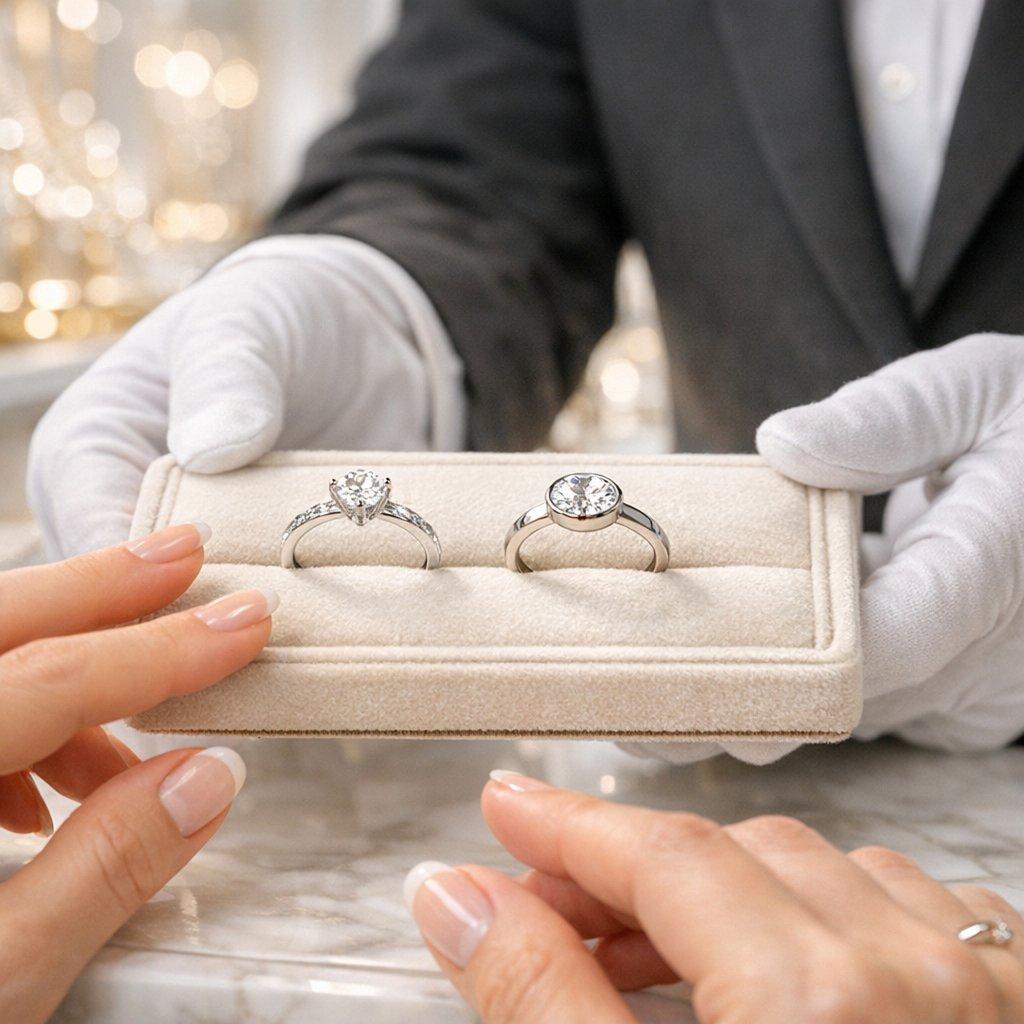
This is where bezel settings truly shine.
Bezel: Maximum Protection
A bezel setting offers the highest level of security. The metal rim protects the edges of the stone from chips, knocks, and accidental impact. It’s particularly beneficial for softer gemstones or for those who wear their rings constantly.
You don’t have to worry about prongs loosening or the stone shifting over time. It’s a “set it and forget it” kind of design.
Prong: Secure, but Requires Maintenance
Prong settings are secure when well-made, but they do require periodic checks. Over time, prongs can wear down or loosen, especially with frequent use.
If a prong bends or breaks, the stone may become vulnerable. Regular inspections and occasional maintenance are essential to keep the ring safe.
For peace of mind and low-maintenance wear, bezel settings clearly feel safer.
Lifestyle Match: Which One Fits You Best?
Choosing between bezel and prong often comes down to how you live your life.
Choose Bezel If:
- You lead an active or hands-on lifestyle
- You prefer low-maintenance jewelry
- You want a modern, minimalist aesthetic
- You value durability and long-term security
Choose Prong If:
- You love sparkle and maximum brilliance
- You prefer a classic, traditional look
- You don’t mind occasional maintenance
- You want your stone to appear larger and more prominent
Neither is better universally—it’s about alignment with your daily habits and personal style.
Metal Choices and Styling Tips from The Karat Store US
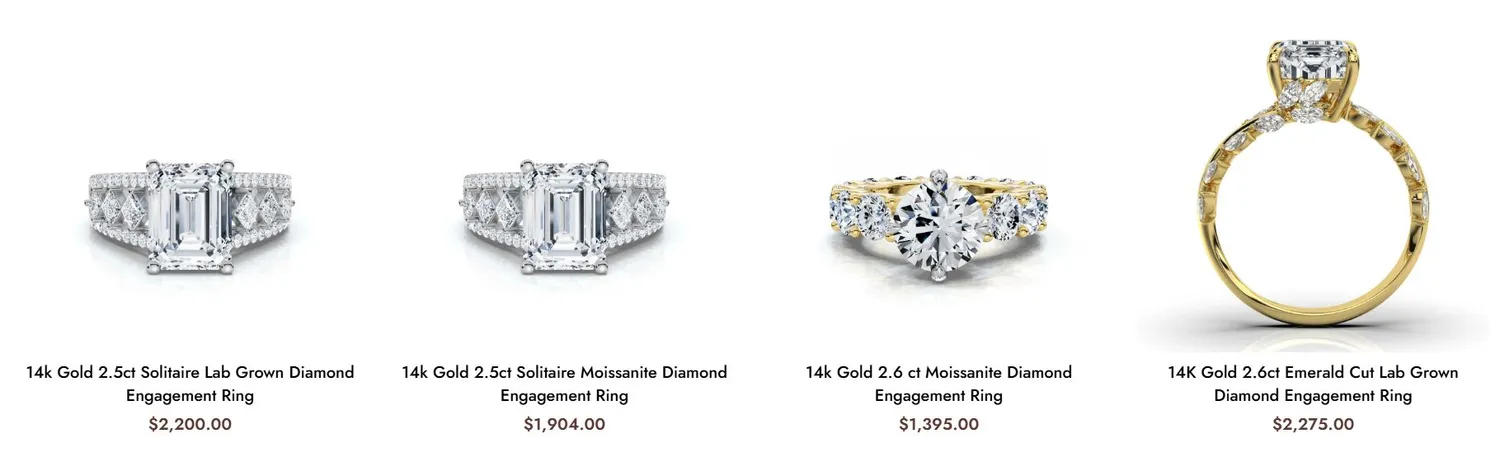
Your choice of metal can further enhance how each setting performs and looks.
For Bezel Settings
Yellow gold bezels create a warm, vintage-inspired glow that softens the modern structure. White gold and platinum, on the other hand, emphasize sleekness and give a crisp, contemporary finish.
Bezel rings also stack beautifully. Because of their low profile, they sit flush against wedding bands. Pairing them with slim pavé bands or plain gold stacks creates a clean, layered look without gaps.
For Prong Settings
Prong settings thrive in platinum and white gold, as these metals visually “disappear,” letting the diamond take center stage. For a more romantic feel, rose gold bands with prong settings add warmth and contrast.
Stacking with prong rings requires a bit more planning. A contoured or notched band often works best to accommodate the raised setting, ensuring a snug and elegant fit.
The Trade-Offs You Shouldn’t Ignore
Every choice comes with compromises, and understanding them helps avoid regret later.
- Bezel Trade-Off: Slightly reduced sparkle due to less light entering the stone
- Prong Trade-Off: Higher maintenance and increased exposure to wear and tear
If brilliance is your top priority, prong settings deliver unmatched sparkle. But if daily practicality matters more, bezel settings offer unmatched peace of mind.
So, What Actually Feels Safer?
If we’re talking purely about daily wear safety, bezel settings take the lead. They protect the stone, resist damage, and eliminate the small risks that come with exposed prongs.
But “feeling safe” is also emotional. Some people feel more confident seeing their diamond fully visible and shining brightly in a prong setting. Others feel secure knowing their stone is protected from every angle.
Final Verdict: Style Meets Confidence
Choosing between bezel and prong settings isn’t just about design—it’s about how you want to live with your ring every day.
If you want a ring that blends seamlessly into your lifestyle, stays secure through everything, and requires minimal upkeep, bezel is the clear winner.
If you dream of a ring that dazzles, catches light effortlessly, and reflects timeless romance, prong settings will never disappoint.
The best choice is the one that lets you wear your ring without hesitation—whether that means maximum sparkle or maximum security.
Explore thoughtfully crafted bezel and prong designs at The Karat Store US, and find the setting that feels right not just for today, but for every day ahead.