1. Introduction to Jewelry–Skin Interaction
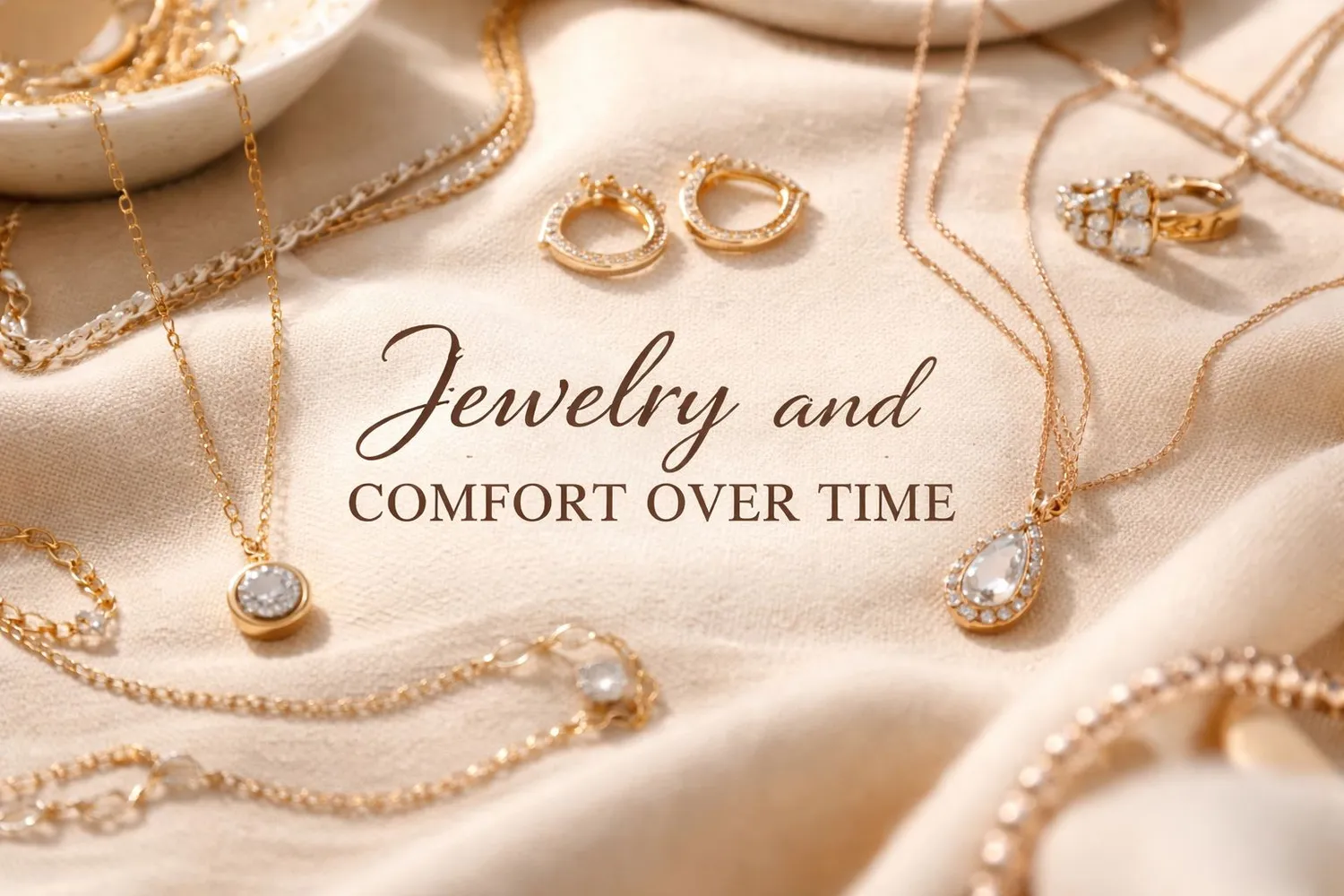
Jewelry sits directly on the body, often for hours at a time. Rings press against fingers all day, necklaces rest on the neck and chest, bracelets slide across wrists, and earrings stay in contact with delicate skin around piercings. Because this contact happens so often, the interaction between skin and jewelry gradually changes both the jewelry and the skin itself.
At first, most people notice only how a piece looks or feels when it’s new. The metal is polished, the edges are smooth, and the skin underneath feels normal. But after weeks or months of regular wear, subtle changes begin to appear. The metal surface may lose its original polish. Skin oils accumulate on small areas of the jewelry. Sweat and friction create tiny adjustments in how the piece rests against the body.
These changes are normal. They’re the result of constant contact between metal, skin, moisture, and movement.
Sometimes this interaction stays comfortable indefinitely. In other cases, people start to notice small issues: redness under a ring, itching around earrings, or a necklace that suddenly feels rough against the neck.
Understanding what actually happens during long-term jewelry wear helps explain these experiences. The key factors usually involve sweat and skin oils, metal reactions, surface wear, friction points, and how finishes age over time.
Once you understand these processes, it becomes easier to prevent discomfort and keep jewelry wearable for years.
2. Sweat and Skin Oils
Human skin continuously produces oils and sweat. These substances help regulate temperature and maintain the skin’s natural barrier, but they also interact with anything that touches the body—including jewelry.
Sweat is mostly water, but it also contains small amounts of salt and other compounds. Skin oils (often called sebum) contain fats that keep skin flexible and protected. When jewelry rests on the skin, these substances collect along the metal surface.
Over time, this mixture of oils, sweat, and environmental dust forms a thin layer on the jewelry. It’s often invisible at first, but it gradually accumulates in small areas such as:
- the underside of rings
- chain links in necklaces
- the backs of earrings
- clasps and hinges
This buildup doesn’t always cause problems, but it can change how jewelry feels against the skin.
For example, a ring that once slid smoothly over the finger may begin to feel slightly sticky. A necklace chain might lose some of its smooth movement if oils collect between the links.
Sweat also affects jewelry differently depending on how tightly it contacts the skin. Rings tend to trap moisture because they press closely around the finger. This can make the skin underneath softer and more sensitive, especially in warm weather.
Necklaces and bracelets usually allow more airflow, so moisture evaporates more easily. However, areas like the back of the neck or inside of the wrist can still accumulate sweat during physical activity.
Cleaning jewelry occasionally removes these oils and restores the original feel of the metal surface.
3. Metal Reactions and Sensitivities
Not all metals interact with skin in the same way. Some metals remain relatively stable during contact with sweat and oils, while others react more easily.
One well-known issue is metal sensitivity. Nickel is often mentioned because some people develop irritation when nickel-containing metals touch their skin. The reaction usually appears as redness, itching, or a rash near the contact point.
This type of sensitivity doesn’t affect everyone. Many people wear nickel-containing jewelry without any problem. But for those who are sensitive, the reaction can appear even after the jewelry has been worn comfortably for a while.
Skin sensitivity can change over time. Exposure to sweat, friction, or environmental factors may make the skin more reactive than it was previously.
Another type of interaction involves metal oxidation or tarnish. Some metals gradually react with oxygen, moisture, or sulfur compounds in the air. Silver is a well-known example, as it can develop a darker surface layer known as tarnish.
Tarnish itself usually doesn’t damage the skin, but it can alter the surface texture of the metal. When the texture changes, the jewelry may feel slightly different against the skin.
Alloys also influence skin interaction. Pure metals are often softer, so jewelry is usually made from alloys—combinations of metals designed to increase strength. The exact composition of these alloys can affect how the jewelry interacts with moisture and skin.
For people who experience irritation from certain metals, choosing jewelry made from stable materials—such as higher-purity metals or specific hypoallergenic alloys—can help reduce reactions. Because sensitivity varies from person to person, identifying the cause sometimes requires trying different materials.
4. Surface Wear and Polish Changes
When jewelry is new, its surface is typically polished to a smooth finish. This smoothness reduces friction against the skin and gives the metal its shine.
Over time, everyday contact gradually alters that surface.
Tiny scratches appear from normal activities such as handling objects, brushing against clothing, or touching other pieces of jewelry. These scratches are often too small to see individually, but they slowly change the texture of the metal.
A surface that was once perfectly smooth may become slightly matte or textured.
This change can influence how the jewelry feels during wear. Rougher surfaces create more friction against the skin, especially in areas where jewelry moves frequently. Rings sliding along the finger, bracelets moving along the wrist, and necklace chains shifting across the collarbone all experience this effect.
Surface wear also affects how oils and sweat accumulate. Micro-scratches create small spaces where residue can collect. As this buildup increases, the jewelry may feel different against the skin even if the change isn’t visible.
Polish changes don’t necessarily mean the jewelry is damaged. They simply reflect normal use. In many cases, professional polishing can restore the surface if the wearer wants the original finish again.
The important point is that the surface of jewelry evolves over time, and that evolution influences comfort.
5. Friction and Irritation Points
Friction is one of the most common causes of jewelry discomfort during long-term wear. Even when the jewelry fits properly, repeated movement can create pressure at certain contact points.
The body rarely stays still. Fingers bend, wrists rotate, shoulders shift, and the neck turns throughout the day. Jewelry moves with these motions, and each movement creates slight friction between metal and skin.
Some areas of the body tolerate this friction better than others.
Earlobes, for example, contain soft tissue that can stretch under pressure. Earrings that swing or pull downward repeatedly may create irritation near the piercing.
Rings can produce friction between neighboring fingers if the band edges are sharp or the ring rotates frequently.
Bracelets often rub against the wrist bone when the hand bends upward, especially if the bracelet is rigid or heavy.
Necklaces may slide across the collarbone or chest when the wearer walks or turns their head.
Friction problems often appear gradually. At first, the wearer may notice only mild discomfort at the end of the day. Over time, the skin may become more sensitive at that specific point.
Jewelry design influences how much friction occurs. Rounded edges, smooth surfaces, and flexible structures usually reduce irritation.
When friction does occur, adjusting the fit or choosing designs that move more naturally with the body can improve comfort.
6. How Coatings and Finishes Age
Many pieces of jewelry include coatings or finishes that affect their color and appearance. These layers also influence how the metal interacts with the skin.
Plated jewelry uses a thin outer layer of one metal applied over another base metal. The plating provides the visible color and surface finish.
During normal wear, this outer layer gradually thins. Friction from clothing, skin contact, and everyday movement slowly removes small amounts of the coating.
As the plating wears, the underlying metal may become visible in areas that receive the most contact with skin.
This change can alter both appearance and comfort. The base metal might react differently with sweat or skin oils than the outer coating did.
Surface finishes also evolve with use. Some jewelry begins with a highly polished finish, while other pieces have brushed or textured surfaces. As these finishes age, their texture may shift slightly.
In some cases, the change makes the jewelry feel smoother because rough edges soften with wear. In other cases, small scratches may increase friction.
Coatings and finishes age at different speeds depending on factors such as:
- frequency of wear
- exposure to sweat or moisture
- friction from clothing or skin
- cleaning habits
Understanding that finishes naturally change over time helps explain why jewelry sometimes feels different months after purchase.
7. Preventing Discomfort Over Time
Although skin interaction with jewelry changes gradually, several practical habits can reduce the chances of irritation or discomfort.
Regular cleaning is one of the simplest steps. Washing jewelry with mild soap and water removes oils, sweat, and residue that accumulate on metal surfaces. Soft brushes can help clean small crevices in chains or settings.
Drying jewelry thoroughly after cleaning prevents moisture from remaining on the metal.
It also helps to remove jewelry during certain activities. Exercise, swimming, or heavy physical work can increase sweat and friction, which may accelerate surface wear.
Storing jewelry properly can also preserve comfort. When pieces are kept separate, they are less likely to scratch each other. Fewer scratches mean smoother surfaces against the skin.
Checking jewelry occasionally for rough edges or bent components is another useful habit. Small structural changes—such as a slightly bent ring band or twisted chain link—can create new friction points.
Finally, paying attention to how the skin reacts to different metals can guide future purchases. If a particular material consistently causes irritation, choosing alternative metals may improve long-term comfort.
These steps don’t eliminate natural wear, but they help maintain the smooth surfaces and balanced structures that make jewelry comfortable to wear.
8. Conclusion
Jewelry and skin interact constantly during wear. Sweat, oils, friction, and environmental exposure gradually change both the surface of the metal and the way the jewelry feels against the body.
Sweat and oils accumulate along metal surfaces. Metal alloys may react differently with moisture or skin chemistry. Surface polish slowly evolves as small scratches appear. Coatings and finishes age through everyday friction.
These changes are part of normal use, but they can influence comfort over time.
The most common issues—irritation, roughness, or pressure points—usually come from a combination of factors rather than a single cause. Understanding these interactions helps explain why jewelry sometimes feels different months or years after purchase.
Simple habits such as cleaning jewelry, storing it carefully, and paying attention to material choices can help maintain comfort.
When jewelry remains smooth, balanced, and compatible with the wearer’s skin, it becomes easier to wear day after day without irritation. And that long-term comfort is often what turns a piece of jewelry into something people reach for again and again.