Fine jewelry purchases often come with a familiar dilemma: how to get the most value without compromising on quality or style. For modern shoppers, especially those buying online, the goal is no longer just a single standout piece—it’s about maximizing utility. Getting two pieces that can be worn often, styled easily, and justified financially is where the smartest deals lie.
This guide walks you through how to approach fine jewelry offers strategically, so you walk away with two meaningful, wearable pieces instead of one impulsive purchase.
The Shopper Problem This Article Is Solving
Most fine jewelry shoppers face a quiet but important tension: budget versus versatility. You may have a fixed spending limit, but within that, you want flexibility—pieces that work across outfits, occasions, and even seasons.
The challenge becomes more complex when offers enter the picture. Discounts, bundles, and free gifts can feel attractive, but without a clear plan, they often lead to mismatched purchases. For example, buying a bold necklace just because it qualifies for a deal, only to receive a free item you rarely wear, defeats the purpose.
What shoppers actually need is a structured way to:
- Choose two pieces that complement each other
- Ensure both items are practical for daily or frequent wear
- Maximize the value of ongoing promotions or bundled offers
- Avoid unnecessary or redundant designs
This article focuses on solving exactly that—helping you convert offers into intentional, high-value combinations.
Best Path Through the Eligible Collection
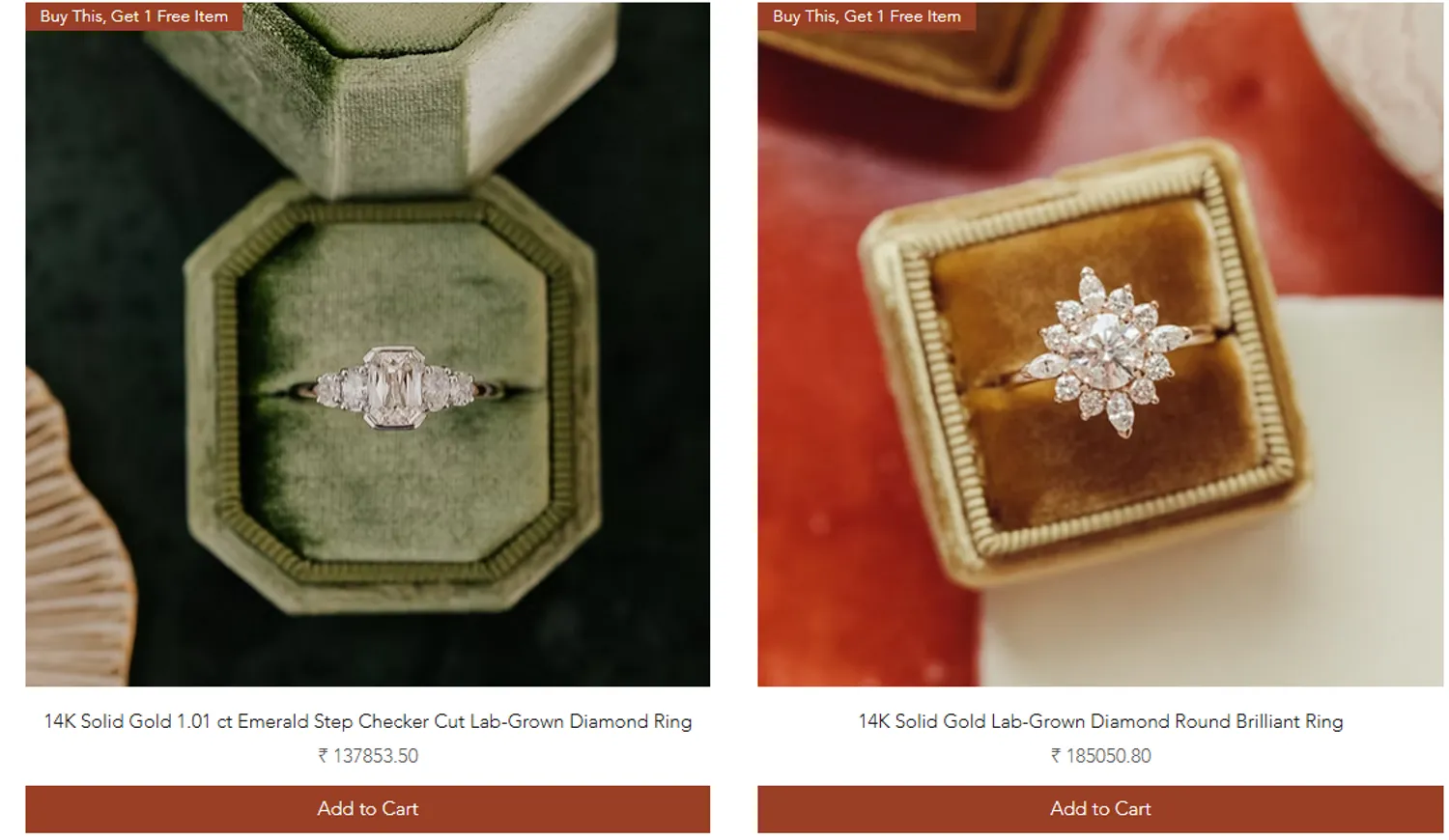
When browsing an eligible collection tied to a promotion, the key is to think in terms of pairing, not individual items. Instead of asking, “Do I like this piece?”, shift your mindset to, “What can I pair this with?”
Start with a foundation piece. This is usually something you’ll wear most often—like a delicate chain necklace, a pair of small hoops, or classic studs. These pieces act as anchors in your jewelry rotation.
Once you identify your base item, look for a complementary piece within the same collection. Ideal combinations include:
- Stud earrings + a lightweight pendant necklace
- A slim bracelet + minimalist ring
- Small hoops + stackable rings
The goal is cohesion. Pieces should not compete with each other but instead create a balanced, layered look.
Also, pay attention to metal consistency. Mixing gold and silver can be stylish, but if you’re aiming for maximum usability, sticking to one tone ensures both pieces can be worn together effortlessly.
Another important factor is scale. Avoid pairing two statement pieces. Instead, balance proportions—if one piece is slightly bold, the other should be subtle.
Best Path Through the Free Gift Section
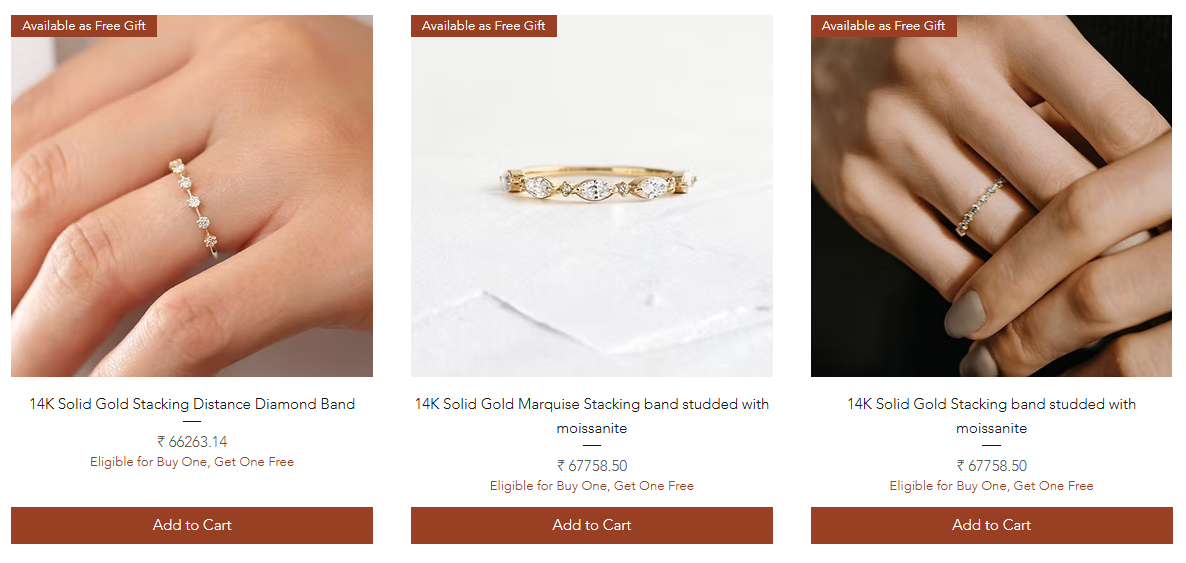
Free gift promotions can either elevate your purchase or dilute it. The difference lies in how intentionally you choose.
Rather than treating the free item as a bonus you don’t think about, approach it as your second planned piece. In fact, sometimes it makes more sense to start with the free gift selection and build your paid item around it.
Look for these qualities in a strong free gift:
- Neutral design that pairs easily with multiple outfits
- Comfortable for long wear
- Simple enough to layer with other jewelry
For example, if the free gift is a pair of minimalist studs, your main purchase could be a fine chain necklace that complements them. If the free gift is a bracelet, consider choosing earrings as your primary item to balance the set.
Avoid overly trendy or overly ornate free items unless they align with your personal style. Remember, the value of the deal depends on how often you actually wear both pieces.
A smart strategy is to ask: “If this free piece wasn’t free, would I still consider buying it?” If the answer is yes, you’re making a strong choice.
A Practical Shortlist Method to Narrow Options Fast
With dozens or even hundreds of options in a collection, decision fatigue can quickly set in. To avoid this, use a simple three-step shortlist method:
1. Define Your Use Case
Decide how you want to use the jewelry. Is it for daily wear, office styling, occasional outings, or gifting? This immediately filters out unsuitable designs.
2. Apply the “Three Outfit Rule”
Each piece you consider should match at least three outfits you already own. If it doesn’t, it’s likely not versatile enough.
3. Build a Pair Before You Buy
Never finalize a single item. Always create a two-piece combination in your cart and evaluate them together. Ask:
- Do they match in tone and style?
- Can they be worn simultaneously?
- Do they cover different use cases (e.g., one daily, one slightly dressy)?
If the answer to all three is yes, you’ve found a strong pair.
This method keeps your focus on practicality rather than impulse.
Example Cart Builds for Different Budgets or Goals
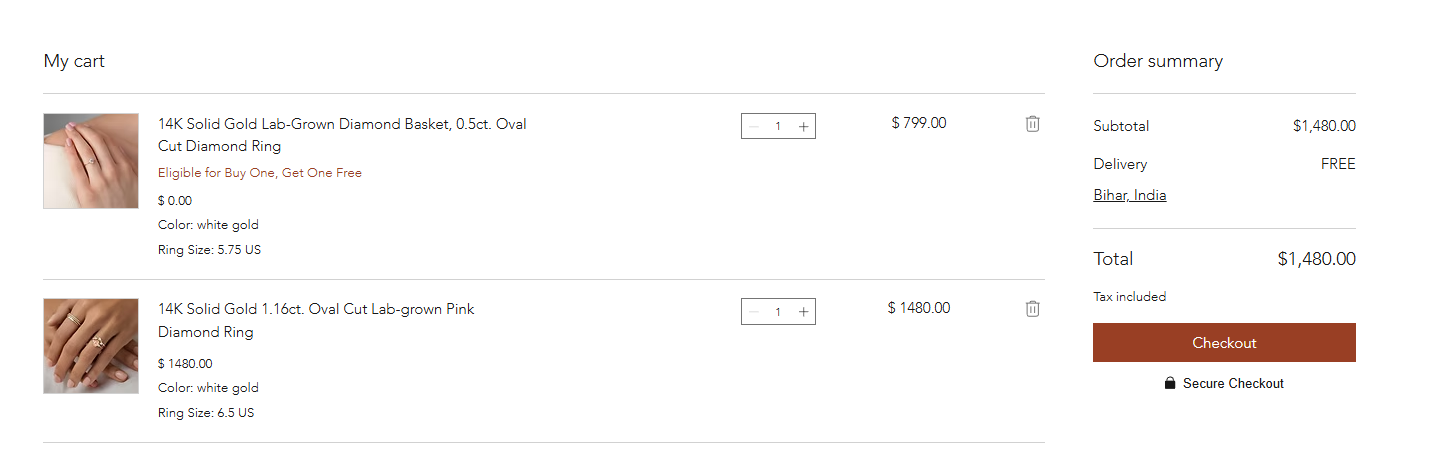
To make the strategy more tangible, here are a few example cart builds that align with different shopper goals:
Budget-Conscious Everyday Wear
- Primary Item: Small gold stud earrings
- Free/Secondary Item: Fine chain bracelet
Why it works: Both pieces are lightweight, neutral, and suitable for daily wear. They can be worn together or separately without clashing.
Minimalist Capsule Jewelry Set
- Primary Item: Thin pendant necklace
- Free/Secondary Item: Matching stud earrings
Why it works: This creates a cohesive set that can be worn as a complete look. Ideal for those building a foundational jewelry wardrobe.
Work-to-Evening Versatility
- Primary Item: Medium-sized hoop earrings
- Free/Secondary Item: Delicate stacking ring
Why it works: Hoops add presence for evening wear, while the ring keeps things subtle for daytime. Together, they offer flexibility across occasions.
Gifting with Intent
- Primary Item: Heart or symbolic pendant necklace
- Free/Secondary Item: Simple studs
Why it works: The pendant carries emotional value, while the studs ensure everyday usability. This combination feels thoughtful and practical.
Layering Enthusiast Set
- Primary Item: Longer chain necklace
- Free/Secondary Item: Shorter choker-style chain
Why it works: Designed for layering, these pieces create dimension and style variation without requiring additional purchases.
FAQs and CTA to the Offer Page
How do I know if a deal is actually worth it?
A deal is worth it if both pieces in your purchase are items you would realistically wear multiple times. If one piece feels like an afterthought, the value decreases significantly.
Should I prioritize price or design?
Design and usability should always come first. A lower price is only beneficial if the pieces fit your lifestyle and wardrobe.
Is it better to choose matching sets or mix styles?
Matching sets are safer and easier to style, especially for beginners. Mixing styles can work well if you’re confident in layering and coordination.
What if I only like one item in the offer?
In that case, it’s better to skip the deal. Buying two pieces only makes sense when both add value to your collection.
Can I build a long-term jewelry wardrobe through offers?
Yes, if you approach each purchase strategically. Focus on timeless designs, consistent metal tones, and versatile pieces that can be layered or worn alone.
Final Thoughts
The best fine jewelry deals are not about getting more items—they’re about getting the right combination of items. When you approach offers with a pairing mindset, evaluate both pieces equally, and prioritize everyday usability, you transform a simple promotion into a smart investment.
Before heading to the offer page, take a moment to define your goal, shortlist your options, and build your ideal two-piece combination. The result will not only feel more satisfying but will also serve your style far beyond the initial purchase.