Child safety is paramount in daycare settings. Classroom furniture, including chairs, tables, and play equipment, must meet specific safety standards — and you must do more than check compliance once. It’s important to check furniture regularly as there are numerous types of accidents that can result from regularly operating equipment.
The guide below will cover:
- Recommended frequencies for checking the different types of furniture.
- Type of major safety concerns you need to watch for (loose bolts, splinters, lean).
- Best industry practices from CPSC, ASTM, and childhood safety experts.
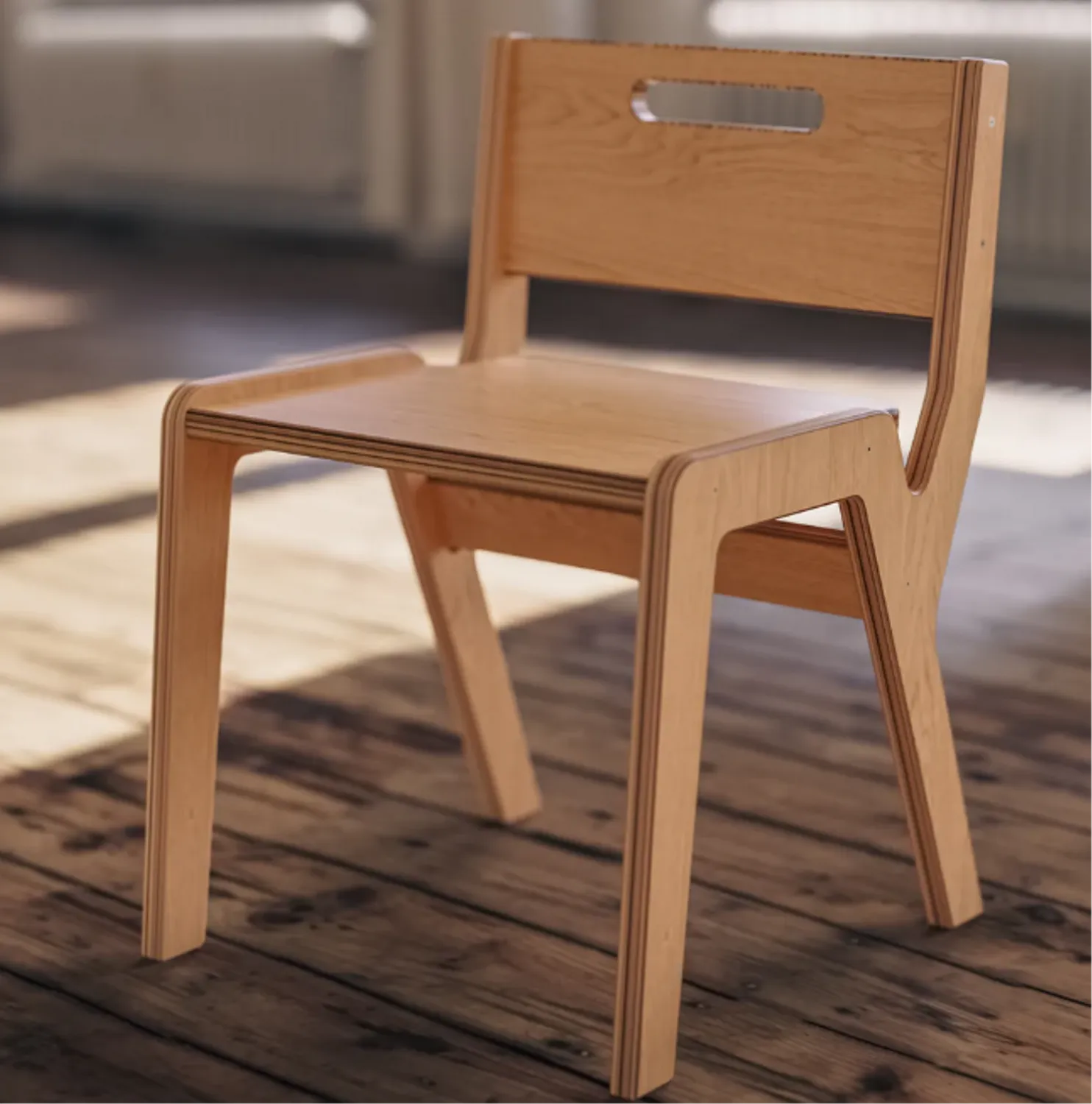
Daycare Furniture Safety: When and What to Inspect
To maintain a hazard-free environment, follow this recheck schedule based on furniture type and usage:
✔ Daily Checks (Quick Visual Inspections):
- Classroom chairs & stools: Loose screws, wobbling legs
- Tables: Sharp edges, stability
- Play structures (slides, climbers): Cracked plastic or protruding nails
✔ Monthly Deep Inspections:
- Wooden benches & shelves: Splinters, structural integrity
- Stackable chairs: Frame bends or stress cracks
- Cushioned seating: Torn fabric exposing foam
✔ Annual Professional Review:
- Third-party certification renewals (ASTM/CPSC)
- Load-bearing retesting for heavy-use furniture
Pro Tip: Document inspections in a safety log — it’s often required for licensing!
The Essential Classroom Chair: Supporting Focus and Comfort in Educational Spaces
A suitably constructed classroom chair is a key factor in student productivity and good posture. A classroom chair should have unique ergonomic designs, should be made from durable options such as reinforced plastic or metal frames, and should be stackable for easy storage. The right classroom chair has to provide comfort required for long hours of study and be easy to maneuver in a busy or small learning environment.
Short Wooden Benches: Compact Seating Solutions with Rustic Appeal
A short wooden bench fits compact areas while providing useful decoration in pathways and garden spaces as well as limited classroom settings. Short wooden benches maintain a size range between 2–4 feet that enables them to add space-saving seating options without taking over a space. A short wooden bench built from oak, pine or teak materials endures regular usage and becomes more attractive with each passing month as it develops its distinctive finish. These benches serve multiple purposes for homeowners since they complement plant decorations and function as handy shoe organizers while retaining their role as seating.
Classroom Benches: Space-Efficient Seating for Collaborative Learning
Optimizing space in busy schools, classroom benches provide streamlined seating for labs, music rooms, or shared workspaces. These benches frequently include features like:
- Backless designs for easy tucking under tables
- Durable powder-coated metal frames
- Integrated book storage or charging ports
- Unlike individual chairs, classroom benches encourage student interaction while simplifying cleanup between classes. Some models even offer height adjustments or flip-up seats for multipurpose rooms.
Montessori Chairs: Child-Scaled Furniture for Independent Learning
Montessori chairs differ from typical children’s seating because they deliver exact proportions that help students gain power in learning. Preschoolers have the freedom to design their workspace through the light design and mobility of these chairs which support Montessori principles of independent student activity. The sustainable wood components used for Montessori chair mostly consist of birch or beechwood which includes a low backrest design alongside a seat slant to assist students in maintaining correct posture. The chairs enable responsibility development as well as independence in educational environments according to parents and teaching staff.
Portable Coffee Stands: Mobile Brewing Stations for Coffee Connoisseurs
Portable coffee stands deliver barista-quality equipment which serves both small business and domestic requirements. Such compact units normally integrate a built-in counter with storage shelves alongside potential wheels which improve their mobility. A professional portable coffee stand combines power outlet features with a detachable drainage tray in its stainless steel or wooden construction design. Such stands enable professional coffee service to reach every location whether you operate in markets or create pantries in workplaces.
Children’s Slides: Developmental Play Equipment for Safe Adventure
More than just fun, a quality childrens slide helps develop motor skills and confidence in toddlers. Modern safety standards dictate features like:
- Enclosed steps with slip-resistant treads
- Rounded edges on all surfaces
- UV-stabilized plastic or anodized aluminum construction
Whether installed indoors with soft mats or outdoors with weatherproof materials, a childrens slide provides years of active play. Many designs incorporate dual slides or climbing walls to enhance the play value.
Montessori Shelves: Accessible Storage to Encourage Child Independence
Among Montessori classroom elements these low open-faced shelves serve as key tools that allow children to view and grasp toys independently from adults. A design philosophy maintains neutral colors together with unfinished wood as main elements to minimize student distractions. Children learn how to organize from a young age because Montessori shelves arrange the items properly for proper toy presentation. The adjustable features of these montessori shelves enable children’s development so schools and families can use them over an extensive period.
Offset Shelves: Asymmetrical Displays for Modern Interior Accents
Contemporary rooms benefit from offset shelves since their asymmetrical arrangements produce a fresh visual attention point. Floating shelves in staggered arrangements allow creative designs that give the following options for display:
- Art pieces and collectibles
- Indoor herb gardens
- Book collections
Offset shelves made from tempered glass and forged iron and reclaimed wood materialize into functional wall art installations. These components can be rearranged by homeowners when decor needs changing.
Long Wooden Benches: Versatile Seating for Social and Functional Spaces
The 8-foot long wooden bench serves as an ideal solution for seating comfort which works well in dining rooms and parks alongside commercial spaces. Special hardwood types such as walnut and mahogany are used together for building long wooden bench which demonstrate exceptional longevity due to their strength. Multiple long wooden bench feature storage bins underneath their seats while offering transformable picnic table functions for utmost utility. Long wooden bench provide immediate seating arrangements for family get-togethers and wedding receptions and café outdoors and they create a warm natural atmosphere in lifestyle settings.
Daycare Tables: Durable Surfaces for Early Childhood Development
Engineered for rough use, daycare tables combine safety with easy maintenance. Key features include:
- Rounded corners to prevent injuries
- Antimicrobial laminate surfaces
- Adjustable legs for different age groups
These tables often come in bright colors or interactive designs like built-in sensory panels. Whether for snack time, crafts, or group activities, daycare tables withstand daily messes while supporting social learning.
Case Study: Daycare Furniture Safety Compliance in Canada
Title: “How a Toronto Daycare Avoided Fines & Injuries Through Proactive Furniture Inspections”
Background
A licensed daycare center in Toronto, Ontario, was cited during a routine Ministry of Education inspection for multiple safety violations related to furniture:
- Wobbly classroom chairs with loose screws
- Splintered wooden benches in the outdoor play area
- Non-compliant tables with sharp, unrounded corners
The center faced potential fines and probation unless they addressed these hazards within 30 days.
Actions Taken
- Daily & Monthly Inspection Routine
- Implemented a checklist based on Canada’s Child Care and Early Years Act (CCEYA) and CSA (Canadian Standards Association) guidelines.
- Trained staff to document issues like:
✔ Loose bolts on chairs and slides
✔ Cracked plastic on play structures
✔ Frayed edges on cushioned seating
2. Replaced High-Risk Furniture
- Upgraded to CSA-certified daycare tables with rounded corners.
- Switched to splinter-free, outdoor-grade wooden benches.
- Invested in ASTM F963-compliant classroom chairs (aligned with U.S./Canada safety standards).
3. Third-Party Annual Audit
- Hired a licensed safety inspector to verify compliance before the ministry’s follow-up visit.
Results
- Zero violations in the next 3 inspections.
- Reduced injuries (e.g., no splinter or fall reports in 12 months).
- Cost savings: Proactive repairs avoided $5,000+ in replacement fees.
Key Takeaways for Canadian Daycares
- Follow CCEYA + CSA standards for furniture (e.g., Z317.13 for seating).
- Document inspections — Ontario’s Ministry of Education requires logs.
- Prioritize certified furniture (look for CSA, JPMA, or Greenguard Gold labels).
Final Thoughts
Regular safety rechecks are as vital as choosing certified daycare furniture initially. By adopting a proactive inspection routine, you’ll:
✅ Extend furniture lifespan (saving replacement costs)
✅ Prevent accidents and liability issues
✅ Stay compliant with state licensing rules
Need help selecting durable, pre-certified furniture? Explore our ASTM F963-compliant daycare chairs and tables designed for safety and ease of maintenance.