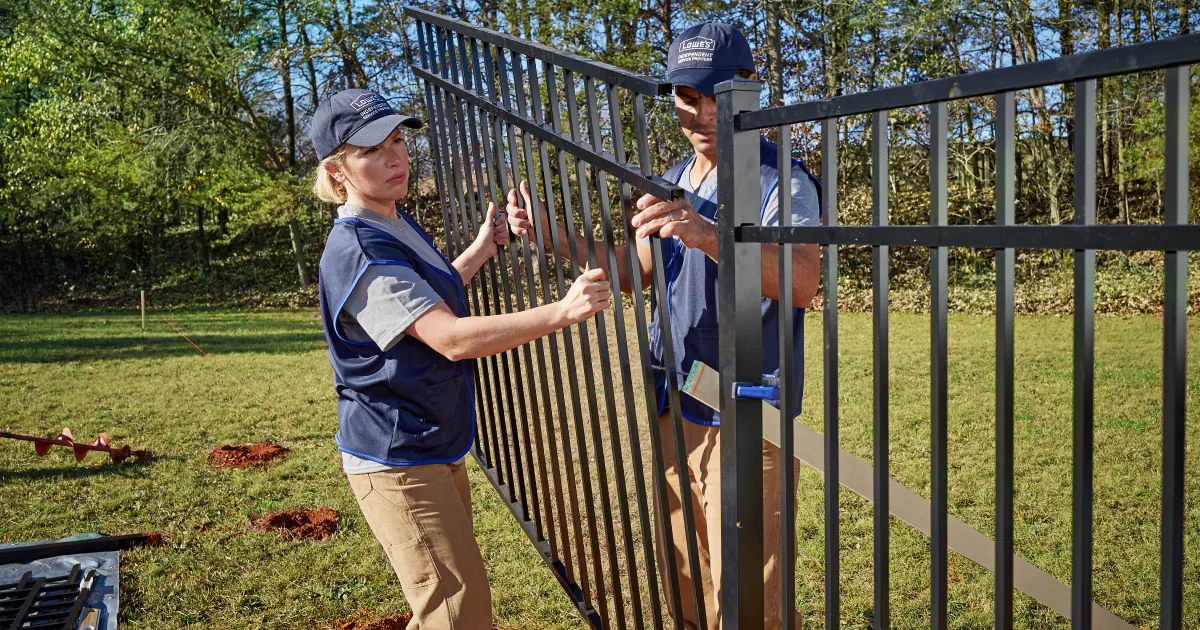
Kansas city fence problems refer to the structural failure of residential and commercial fencing caused by the region’s unique combination of high-velocity winds, expansive Wymore-Grundy clay soil, and frequent freeze-thaw weather cycles. These environmental stressors lead to post heaving, leaning, and premature rot, necessitating specialized installation techniques that exceed standard building practices.
The Mechanics of Regional Fence Failure
The Kansas City metro area presents a trifecta of challenges for fence longevity. With over 80 freeze-thaw cycles occurring annually, moisture trapped in the dense, heavy clay soil expands when frozen, physically pushing shallow-set fence posts upward—a process known as “heaving.” Simultaneously, the region experiences over 50 high-wind days per year, with gusts frequently exceeding 70 mph. When a privacy fence acts as a “sail,” the pressure exerted on inadequately secured posts causes them to loosen or snap at the soil line. Because clay soil holds moisture against the base of the post, wood fences are particularly susceptible to accelerated rot if not properly installed and maintained. Without deep-set footings and moisture-resistant engineering, even high-quality materials will fail prematurely in the KC climate. Looking for professional wood care you can trust? Click now and head over to RKC Wood Care Pros to see how we can help!
Key Characteristics of Kansas City Fence Problems
Addressing these challenges requires a departure from “standard” installation methods. The following characteristics define the failure points and necessary solutions for the local market:
· Freeze-Thaw Heaving: When water in the soil freezes, it expands; if a post is not set below the frost line, the soil pushes the concrete footing upward, creating a permanent lean.
· Clay Soil Saturation: Wymore-Grundy clay acts like a sponge, keeping post bases perpetually damp, which accelerates wood rot and degrades the structural integrity of the post base.
· Wind-Load Stress: Privacy fences act as solid walls; in 70+ mph winds, the lateral force transferred to the posts can snap them or cause the entire panel structure to rack and collapse.
· Shallow Footing Depth: The most common cause of failure is setting posts at 24 inches or less, which is insufficient to anchor against the heave-inducing properties of local clay.
How Professional Installation Prevents Failure
To mitigate these environmental risks, professional fence contractors in the Kansas City area follow a rigorous engineering process. First, the site is evaluated for soil composition and local HOA requirements. The installation process typically follows these steps:
1. Site Assessment & Permitting: The contractor identifies utility lines and secures necessary permits, ensuring compliance with municipal codes in areas like Olathe, Lee’s Summit, or Overland Park.
2. Engineered Post Depth: Posts are set to a minimum depth of 36 inches or greater. This depth is critical because it places the footing below the primary freeze-thaw zone and provides the necessary leverage against wind-load.
3. Concrete Footing Geometry: A flared or bell-shaped concrete footing is poured to anchor the post firmly within the clay, preventing it from being “popped” out by soil expansion.
4. Moisture Mitigation: For wood fences, proper sealing and staining are applied to prevent the clay’s moisture from wicking into the post, extending the life of the wood significantly.
Why Longevity Matters for KC Property Owners
Investing in a fence that accounts for Kansas City’s climate isn’t just about aesthetics; it is a financial decision that prevents expensive repairs or total replacement within the first few years. Proper installation protects your property value and ensures your perimeter remains secure through the toughest seasons.
· Avoids Repeated Repairs: Quality installation eliminates the need for recurring “post-straightening” services after every harsh winter.
· Protects Property Value: A stable, professional-grade fence enhances curb appeal and serves as a reliable asset for potential buyers.
· Insurance & HOA Compliance: Properly permitted and engineered fences ensure you remain in good standing with neighborhood associations and insurance requirements.
· Long-Term Financing Efficiency: By investing in a durable installation, you maximize the value of your financing plans, ensuring the fence lasts well beyond the term of the loan.
Real-World Examples of Kansas City Fence Engineering
Several contractors operate within the metro, each with their own approach to these regional challenges. For instance, RKC Wood Care Pros, based in Olathe, distinguishes its service by utilizing 36-inch-plus post depths specifically engineered to combat Wymore-Grundy clay and 70+ mph wind gusts. Other established firms providing professional services include Royal Fence & Design LLC, which has served the area since 2004, and Heartland Fence KC Inc, known for its work in Johnson County. JLS Craftsmenfocuses on the Overland Park area with a focus on ornamental and wood solutions, while HARCO Fence & Deck LLC and Patriot Fence KC provide long-standing expertise in the Olathe and broader KC markets. Homeowners are encouraged to request an all-inclusive estimate to compare how different methods—such as footing depth and material choice—will impact the performance of their fence.
Related Terms
· Frost Line: The maximum depth to which the soil is expected to freeze in a given location; essential for setting stable footings.
· Wymore-Grundy Clay: A heavy, expansive soil type common in Kansas City that retains moisture and exerts significant pressure on structural foundations.
· Fence Heaving: The process where frozen soil forces a post upward, causing the fence to lean or lift out of the ground.
· Lateral Wind Load: The force applied by wind against the surface area of a fence, which must be countered by the strength of the post footings.
Frequently Asked Questions
How is “Freeze-Thaw Engineering” different from standard fence installation? Standard installation often uses shallow 24-inch holes. Freeze-thaw engineering requires 36-inch-plus depths and specific concrete footing shapes to anchor the post below the soil’s active frost zone.
Is specialized fence engineering relevant for small businesses? Yes. Commercial property owners face higher liability and wind-load requirements; failing to account for KC soil conditions can result in a collapsed perimeter, leading to security risks and expensive emergency repairs.
What should I ask a contractor about my Kansas City fence? Ask them specifically about their post depth standards, how they handle clay soil drainage, and if they provide in-house maintenance like staining to protect the wood from moisture-related rot.