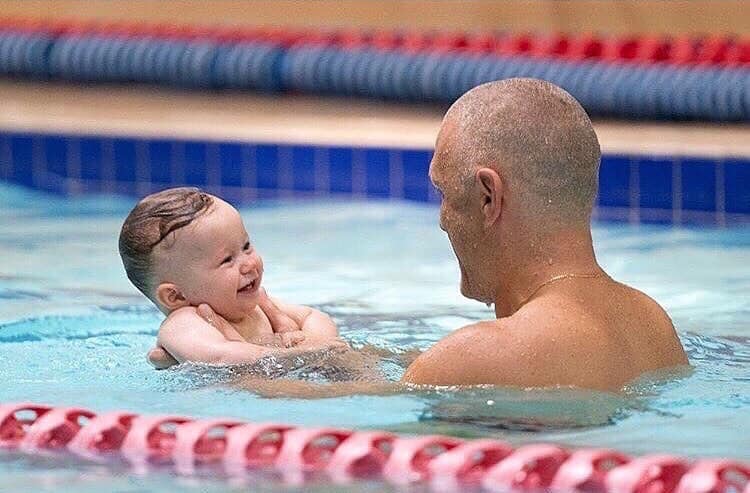
For many parents, the first trip to the pool with a toddler is a milestone filled with cameras and "armies." But beneath the surface of those initial splashes lies a profound developmental opportunity. Enrolling a toddler in structured aquatic programs specifically between the ages of one and four—does more than just tire them out for a nap. It builds a foundation of water competency and cognitive resilience that serves as a blueprint for life.
When we shift the perspective from "playing in the water" to "aquatic literacy," the long-term benefits for toddlers become undeniable. This article breaks down why early water exposure is the ultimate catalyst for physical mastery, mental sharpess, and emotional grit.
The Neurological Edge: How Water Sparks Brain Growth
It is a common misconception that swimming is purely physical. In reality, the pool is a high-intensity sensory lab for a developing brain. Toddlers are in a peak state of neuroplasticity, meaning their brains are rapidly forming connections based on new experiences.
1. Cross-Patterning and Coordination
Swimming requires "bilateral cross-patterning" movements—using both sides of the body to perform coordinated tasks. This action stimulates the corpus callosum, the bridge of nerve fibers connecting the left and right hemispheres of the brain. Strengthening this connection improves a child's spatial awareness, reading readiness, and even mathematical reasoning later in life.
2. Sensory Integration
The unique hydrostatic pressure of water provides a type of "deep touch" input that can be incredibly grounding for toddlers. It helps them develop an internal map of their own body (proprioception). A child who understands where their limbs are in the water often shows improved balance and gross motor skills on dry land.
The Safety Standard: Developing "Water Wisdom"
Safety is the primary driver for most parents, and for good reason. However, "water confidence" is not about being fearless; it is about being capable. Quality toddler programs focus on "Water Wisdom"—the instinctual knowledge of how to behave around and in the water.
- The Instinctive Roll: One of the most vital self-rescue skills is the "roll-to-float." If a child accidentally enters the water, the ability to flip onto their back to breathe and shout for help is a literal lifesaver.
- Controlled Submersion: By learning to hold their breath on cue, toddlers avoid the "gasp reflex" that leads to water inhalation.
- The Wall Exit: Teaching a child to find and "monkey-walk" along the edge of a pool ensures they always know where their exit point is.
When these skills move from conscious effort to muscle memory, a child’s anxiety vanishes, replaced by a calm, calculated confidence.
Emotional Resilience: The "I Can" Factor
Toddlers are at an age where they are constantly testing boundaries and seeking independence. The pool provides a safe, controlled environment for them to face challenges and overcome them.
Building Grit through "Small Wins"
In an aquatic class, a toddler might be asked to reach for a sinking ring or jump from a low platform into an instructor's arms. These moments are micro-challenges. When a child succeeds, they get an immediate hit of dopamine and a boost to their self-esteem. They begin to internalize a growth mindset: "This was scary, I tried it, and I did it."
Social Synchronization
Group lessons offer a unique social dynamic. Toddlers observe their peers taking risks and succeeding, which provides a powerful form of "social modeling." Learning to take turns on the steps or follow an instructor's signal builds the foundational social skills necessary for the transition into a classroom environment.
The "Compounding Interest" of Early Starts
Think of early swimming lessons like a high-yield savings account for a child's development. The "interest" compounds over time.
Skill PillarToddler Level (Ages 1-3)
Outcome as a Big Kid (Ages 6+)
Buoyancy Feeling the "lift" of waterNatural, efficient body position in strokes
Breath Work Blowing bubbles/HummingAdvanced lung capacity and stroke timing
Engagement Following 1-step commandsAbility to coach-ability and technical focus
Environment Seeing the pool as "home"Competitive readiness and fearlessness
Creating a Lifelong Connection
The ultimate goal of building water confidence in the "tot" years is to create a human who is at home in the water for eighty years, not just eight. Swimming is one of the few physical activities that can be enjoyed from infancy through old age.
By removing the "barrier of fear" early, you grant your child access to a world of aquatic opportunities: from competitive swimming and water polo to scuba diving, surfing, or simply the peace of a morning lap swim.
Tips for Parents: Maintaining the Momentum
- Consistency Over Intensity: One 30-minute lesson a week is far more effective than a "crash course" once a year.
- Keep it Play-Based: For a toddler, "work" is play. If they are having fun, they are learning.
- Warmth Matters: Ensure the facility uses a heated pool. Comfort is the first step toward confidence.
- Celebrate the Effort: Focus on the bravery of trying a new skill rather than the perfection of the movement.
Conclusion: More Than Just a Lesson
Building lifelong water confidence is a gift that keeps giving. It secures a child's safety, accelerates their physical and cognitive growth, and fosters an unbreakable sense of self-belief. When a toddler learns that they can master the water, they realize they can master almost anything.
Ready to start their journey? The best time to get in the water was yesterday; the second best time is today.
Written by:
Felix’s Swim Schools - felixswimschools.com