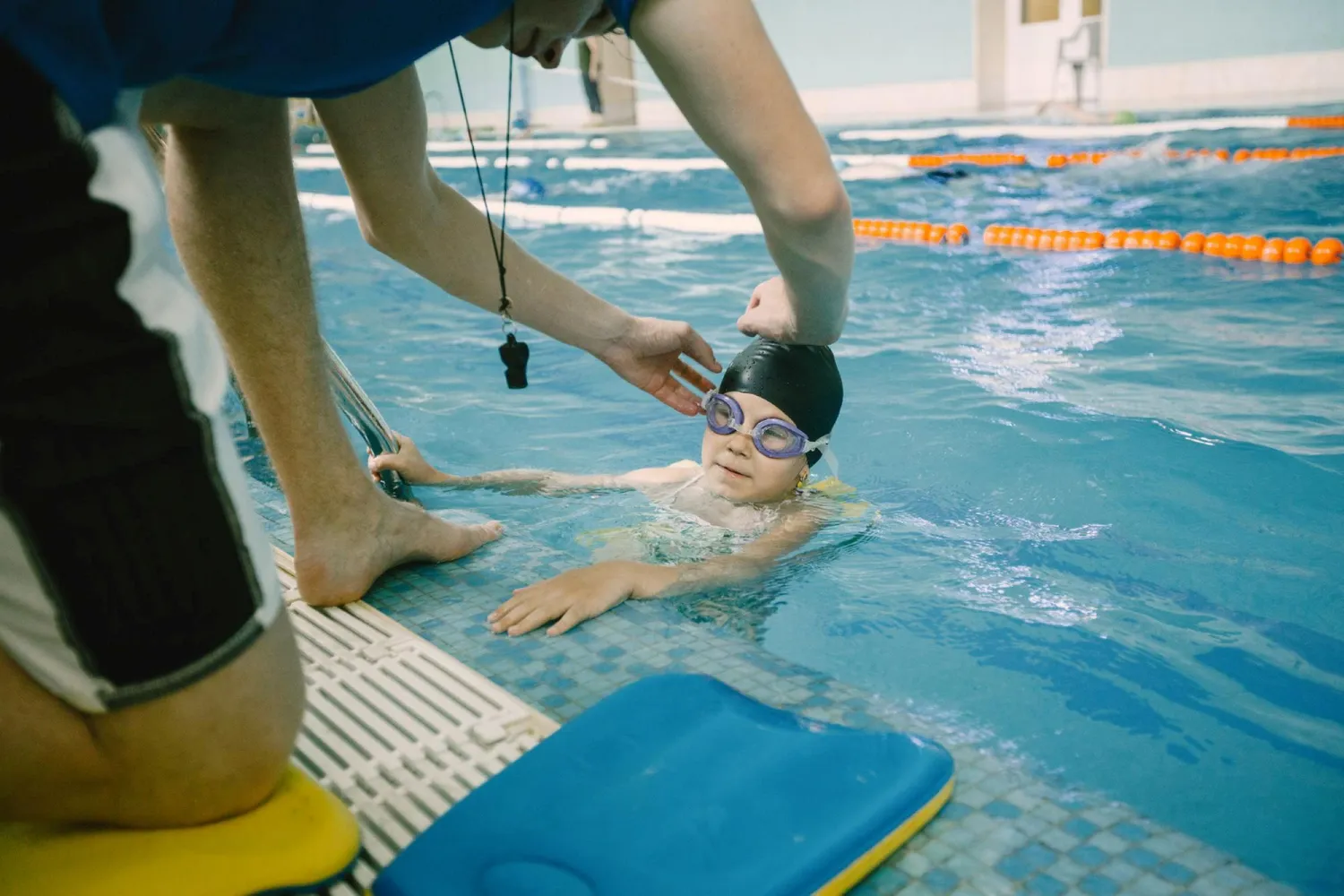
For most teenagers, the hunt for the perfect summer job usually starts in May. By then, the competition is fierce, and the best positions are often already filled. If you want a job that actually pays well, looks incredible on a university application, and keeps you active, the secret isn't in a resume template—it’s in the bronze cross.
At Felix Swim Schools, we’ve seen how this single certification can change the trajectory of a student’s year. By securing your Bronze Cross during the winter or spring sessions, you aren’t just learning how to save lives; you are securing your employment future before the first heatwave even hits. This is the "First Paycheck" Plan: a strategy that turns your swimming skills into a professional career.
Unlock Jobs That Actually Matter
The bronze cross is more than just a certificate; it is a professional credential. In the aquatics world, it is the mandatory gateway to several entry-level roles. While your peers might be applying for repetitive retail or fast-food shifts, a Bronze Cross holder is qualified for:
- Assistant Lifeguard: In Ontario, the Bronze Cross is the recognized certification to work as an assistant lifeguard, helping manage pool decks and ensuring public safety.
- Wading Pool Attendant: Many cities and municipalities hire students specifically to supervise wading pools and splash pads. The primary requirement? The bronze cross.
- Summer Camp Waterfront Staff: Camps across North America are always searching for "water-certified" staff. Having this qualification makes you an instant asset for any camp with a lake or pool.
By getting certified early, you move to the top of the pile. Most municipal pools and summer camps begin their primary hiring phase in February and March. If you wait until June to start your bronze courses, you’ve already missed the most lucrative hiring window.
Earn More Than Minimum Wage
Let’s talk about the bottom line: specialized skills command specialized pay. Because lifeguarding and swim instruction require rigorous training and high levels of responsibility, the hourly wages are significantly higher than standard "first-job" roles.
In 2026, the average pay for swim instructors and lifeguards typically ranges from $18 to $26 per hour, with many private schools and specialized camps offering even more. When you compare that to a general minimum wage job, the financial benefit of your bronze cross becomes clear. Most students find that the cost of the course is "paid back" within their first two weeks on the job.
The Resume "Flex" for Universities
University admissions officers and future employers look for more than just a high GPA. They look for evidence of responsibility, grit, and the ability to work under pressure.
When "Bronze Cross" appears on a resume, it tells a story. It proves to an employer that:
- You are disciplined: You successfully completed a 400m timed swim and mastered complex CPR protocols.
- You are a leader: You trained in team rescue coordination and aquatic supervision.
- You are a first responder: You possess the same medical literacy (Standard First Aid/CPR-C) used by emergency professionals.
These are "transferable skills." Even if you eventually pursue a career in law, medicine, or tech, the maturity gained in your bronze courses signals to the professional world that you are someone who can be trusted in an emergency.
Why the "Off-Season" Is the Best Time to Train
There is a major practical advantage to taking your bronze medallion and bronze cross during the school year at Felix Swim Schools: our environment.
Training for these certifications is physically and mentally taxing. Our 90°F saltwater pools provide the ideal setting for high-performance learning.
- Stay Limber: Warm water keeps your muscles flexible, which is vital when you are practicing the 11-minute 400m timed swim or performing heavy "victim" tows.
- Focus on the Theory: In a cold pool, your body wastes energy trying to stay warm. In our heated pools, you can focus 100% of your brainpower on mastering technical rescues and spinal injury management.
- Small Group Advantage: Winter and spring sessions at Felix allow for more one-on-one time with instructors, ensuring you are fully prepared for the final exam.
Your Path to the Chair
If you are new to the advanced track, here is the roadmap to your first professional paycheck:
- Bronze Medallion: The foundation level. You learn the four components of water rescue: judgment, knowledge, skill, and fitness. (Prerequisite: 13 years old or Bronze Star).
- Bronze Cross: The assistant lifeguard level. This expands your skills into safety supervision and teamwork.
- National Lifeguard (NL): Once you have your Bronze Cross and turn 15, you can take the NL course—the gold standard for lifeguarding in Canada.
Many students opt for a Combined Bronze Medallion & Cross course during school breaks to fast-track their way to being "job-ready."
Stop Looking for a Job—Start a Career
A summer spent by the pool is a classic experience. A summer spent by the pool getting paid as a certified professional is a game-changer. The transition from "swimmer" to "staff member" is one of the most rewarding steps a young person can take toward independence.
By choosing to get your bronze cross now, you are choosing to be the candidate who is ready to work while others are still searching. You are choosing to be the person who can save a life while others are just watching.
Ready to start the "First Paycheck" Plan? Check the latest Bronze Medallion and Bronze Cross course dates at Felix Swim Schools and secure your spot today!