Relocating to a new country brings excitement mixed with a fair share of paperwork, and India is no exception. Between finding accommodation, setting up bank accounts, and adjusting to a new culture, there's one administrative task that often catches newcomers off guard: registering your presence with local authorities within the required timeframe. Miss this step, and you could face complications ranging from fines to visa renewal issues down the road.
Why This Registration Actually Matters
Many foreign nationals arriving in India for work, study, business, or extended stays assume their visa alone covers everything they need. That's a common misconception that trips up even experienced expats. Depending on your visa category, nationality, and intended length of stay, Indian authorities require you to formally register your presence within a specific window after arrival—typically within 14 days for most long-term visa holders.
This isn't just bureaucratic box-checking. The registration creates an official record connecting your visa to your actual residential address, employer, and purpose of stay in India. It's how the government tracks foreign nationals residing in the country and ensures everyone follows proper immigration protocols. Skip it, and you're technically in violation of your visa conditions, even if entering the country legally in the first place.
Understanding the Process
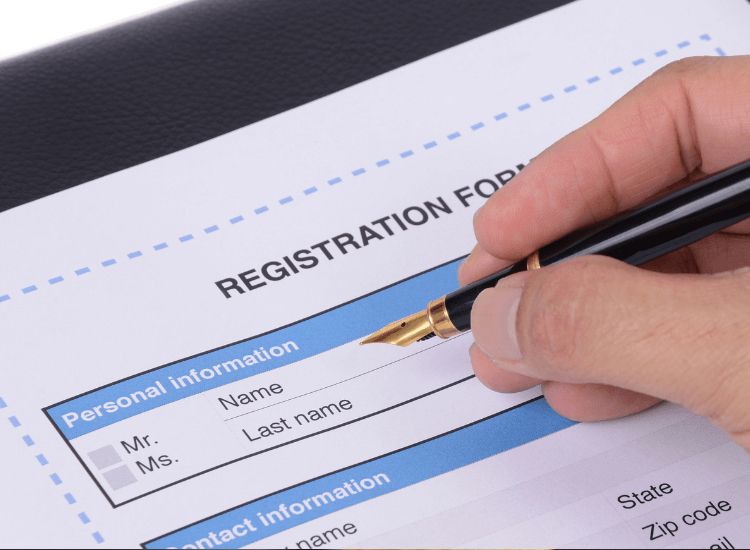
Frro Visa Registration involves submitting documentation to the Foreigners Regional Registration Office covering your area of residence. The process requires specific paperwork including your passport, visa copy, passport-sized photographs, proof of accommodation, and sometimes additional documents depending on your visa type and nationality. Each city with significant foreign resident populations—Delhi, Mumbai, Bangalore, Chennai, and others—maintains its own regional office handling these registrations.
The complexity varies significantly based on individual circumstances. Someone on a straightforward employment visa with clear documentation might complete registration relatively smoothly. Others juggling multiple address changes, visa extensions, or unusual visa categories often find themselves navigating more complicated requirements, additional verification steps, and longer processing times than anticipated.
Common Challenges Newcomers Face
Language barriers create genuine friction for many foreign nationals attempting this process independently. Forms, instructions, and interactions with officials often happen primarily in Hindi or regional languages, making straightforward tasks feel unnecessarily confusing. Documentation requirements also shift periodically based on policy updates, meaning information that was accurate six months ago might not reflect current requirements.
Office hours and appointment systems add another layer of complexity. Regional offices often have limited operating windows, require advance appointments booked through specific portals, and experience heavy demand that creates long waiting periods. For someone already juggling a new job or unfamiliar city, navigating these logistics alone consumes valuable time and energy better spent settling into your new life.
Making the Process Smoother
This is precisely where professional assistance transforms a potentially stressful bureaucratic hurdle into a manageable administrative task. Experienced consultants who understand current documentation requirements, know regional office procedures, and can communicate effectively with authorities save you countless hours of confusion and repeated visits.
Working with knowledgeable support means your paperwork gets prepared correctly the first time, appointments get scheduled efficiently, and any unusual circumstances in your visa situation get addressed proactively rather than causing delays. Rather than researching requirements from scratch and hoping you've understood everything correctly, you're guided through each step by people who handle these registrations regularly.
Timing Matters More Than You Think
Procrastination on this task creates unnecessary risk. The registration window is relatively short, and delays can result in penalties or complications when you eventually apply for visa extensions or other immigration services. Starting the process promptly after arrival, while you're still settling into other aspects of your relocation, prevents this administrative task from becoming a last-minute scramble.
Keep copies of every document submitted and confirmation received throughout the process. Immigration authorities occasionally request these records during subsequent interactions, and having organized documentation readily available saves headaches later.
Getting Started Right
If you're newly arrived in India or planning your relocation, understanding registration requirements early helps you plan realistically rather than being caught off guard. Farway specializes in guiding foreign nationals through exactly these kinds of immigration and administrative processes, ensuring your transition into life in India starts on solid legal footing rather than accumulating avoidable complications.
Quick FAQs
Q1: How soon after arrival must I register?
Typically within 14 days, though this varies by visa category.
Q2: What documents do I need?
Passport, visa copy, photographs, and proof of address.
Q3: Can I complete this process online?
Some steps are online, but in-person verification is usually required.
Q4: What happens if I miss the deadline?
You may face fines or complications during future visa renewals.
Q5: Does every foreign national need to register?
Requirements depend on visa type, nationality, and length of stay.
Q6: Can professional help speed up the process?
Yes, experienced consultants streamline documentation and reduce delays significantly.
Settling In With Confidence
Relocating to a new country is challenging enough without administrative uncertainty hanging over your head. Taking care of your registration promptly means one less thing to worry about as you focus on what actually matters—your new job, your new home, and building a life in India. A little preparation now saves you from unnecessary stress later, letting your relocation story be about the exciting parts, not the paperwork.