Understanding Face Image Datasets in Machine Learning
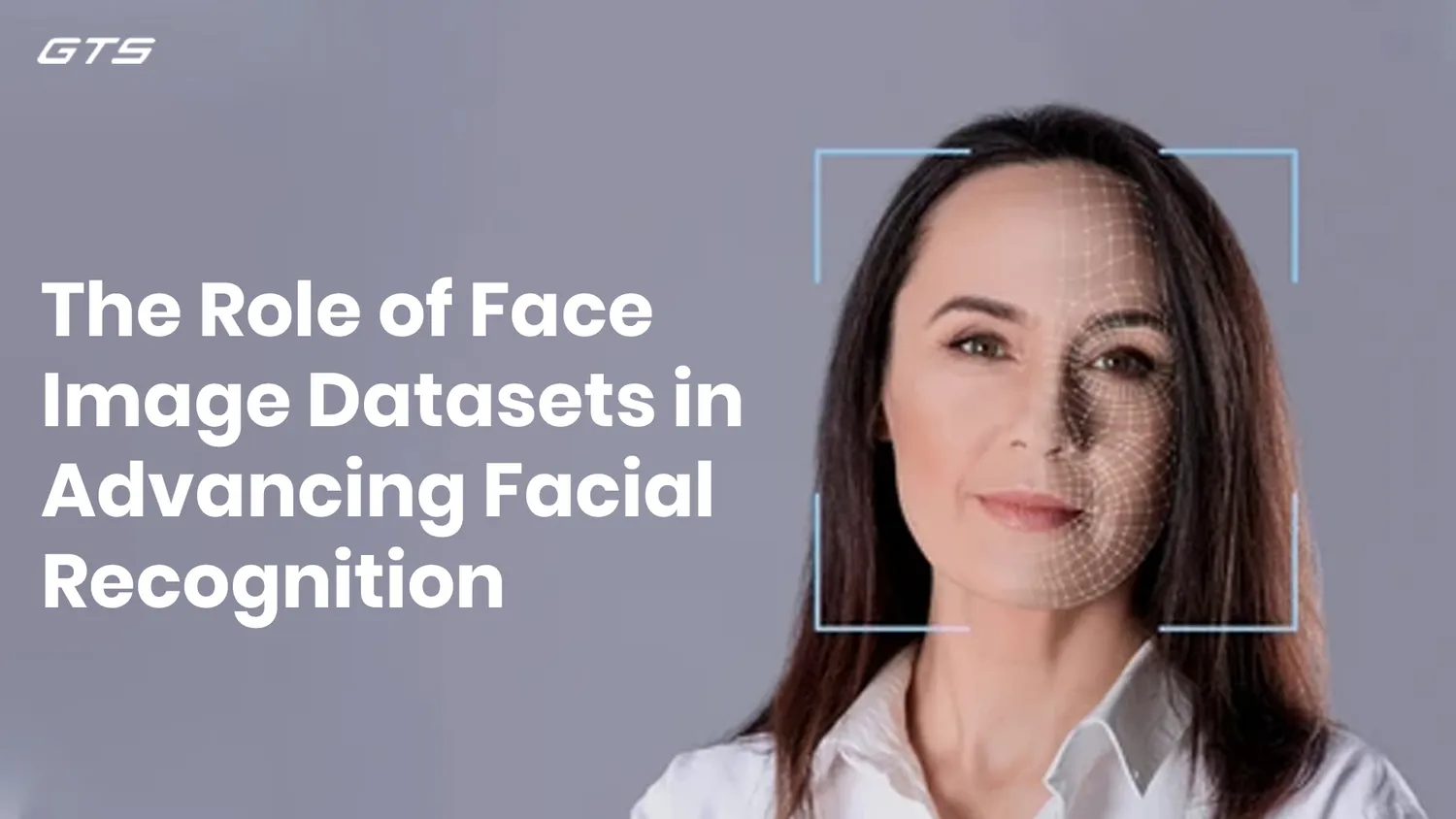
Face image datasets have become an essential resource in the development and advancement of facial recognition systems, computer vision, and various machine learning applications. These datasets provide the foundational data required to train algorithms that can detect, recognize, and analyze human faces with accuracy and efficiency.
What is a Face Image Dataset?
A face image dataset is a collection of images specifically curated to include human faces in various poses, lighting conditions, and expressions. These datasets are used to train machine learning models, enabling them to recognize and interpret facial features. The quality and diversity of the data are crucial in ensuring that the model performs well in real-world scenarios, where factors like age, gender, ethnicity, and even accessories like glasses can impact facial recognition accuracy.
Applications of Face Image Datasets
Face image datasets are used in a wide range of applications, including:
- Facial Recognition Systems: One of the most common uses of face image datasets is in the development of facial recognition systems. These systems are widely used for security purposes, such as unlocking devices, verifying identities at airports, and even in surveillance systems.
- Emotion Detection: Beyond recognizing who someone is, face image datasets can be used to train models to detect emotions. This application is particularly useful in areas such as customer service, where understanding a customer’s emotional state can lead to better service experiences.
- Augmented Reality (AR): In AR applications, face image datasets are used to overlay digital content in the real world, such as filters in social media apps that add effects to a user's face in real-time.
- Healthcare: In healthcare, face image datasets can be employed in early diagnosis systems that monitor facial expressions for signs of certain medical conditions, like stroke or Parkinson’s disease.
- Automotive Industry: In the automotive industry, face image datasets are used to develop in-car systems that can monitor driver fatigue and alertness, contributing to safer driving environments.
Challenges in Creating Face Image Datasets
Creating a robust face image dataset involves several challenges:
- Diversity: The dataset must include a wide variety of faces, encompassing different ethnicities, ages, and genders. It should also feature various lighting conditions, facial expressions, and angles to ensure that the model can generalize well across different scenarios.
- Privacy Concerns: Since face image datasets involve personal data, privacy concerns are paramount. Ethical considerations must be taken into account, and data collection should comply with regulations like GDPR.
- Quality of Images: The images in the dataset must be of high quality, with clear and well-defined facial features. Poor-quality images can lead to inaccuracies in model training, resulting in lower performance in real-world applications.
- Data Annotation: Proper annotation of the images is critical. This includes labeling the images with metadata such as the person’s age, gender, expression, and any other relevant information. Manual annotation can be labour-intensive and time-consuming, but it is crucial for the success of the dataset.
Popular Face Image Datasets
Several face image datasets have become industry standards:
- Labelled Faces in the Wild (LFW): LFW is one of the most well-known face image datasets, containing over 13,000 images of faces collected from the web. It is widely used for training and benchmarking facial recognition algorithms.
- MS-Celeb-1M: This dataset includes images of over 1 million celebrities, making it one of the largest face image datasets available. It is particularly useful for training deep learning models.
- VGGFace2: Developed by researchers at Oxford, VGGFace2 contains over 3 million images of more than 9,000 individuals. The dataset includes images with a wide range of poses and lighting conditions, making it valuable for creating robust facial recognition models.
Conclusion
Face image datasets play a crucial role in advancing technologies that rely on facial recognition and analysis. As these technologies become more integrated into everyday life, the demand for high-quality, diverse datasets will continue to grow. However, challenges such as privacy concerns, data diversity, and quality control must be carefully managed to ensure that these datasets are effective and ethical. By understanding and addressing these challenges, developers can create more accurate and reliable models, leading to better outcomes in various applications.
4o