Boiler efficiency is a critical factor in both energy conservation and cost management, especially in industrial and commercial applications. Boilers play a central role in heating and powering systems, but over time, their performance can degrade due to the accumulation of dirt, soot, and other residues. This degradation can cause higher fuel consumption, reduced heat transfer, and a greater environmental impact. Two key components that significantly influence boiler efficiency are the burners and heat exchangers. Regular maintenance and cleaning of these parts are essential not only to ensure optimal performance but also to avoid expensive repairs and prolong the lifespan of the boiler. In this article, we’ll explore why cleaning burners and heat exchangers is crucial for maintaining boiler efficiency.
Understanding the Role of Burners in Boiler Efficiency
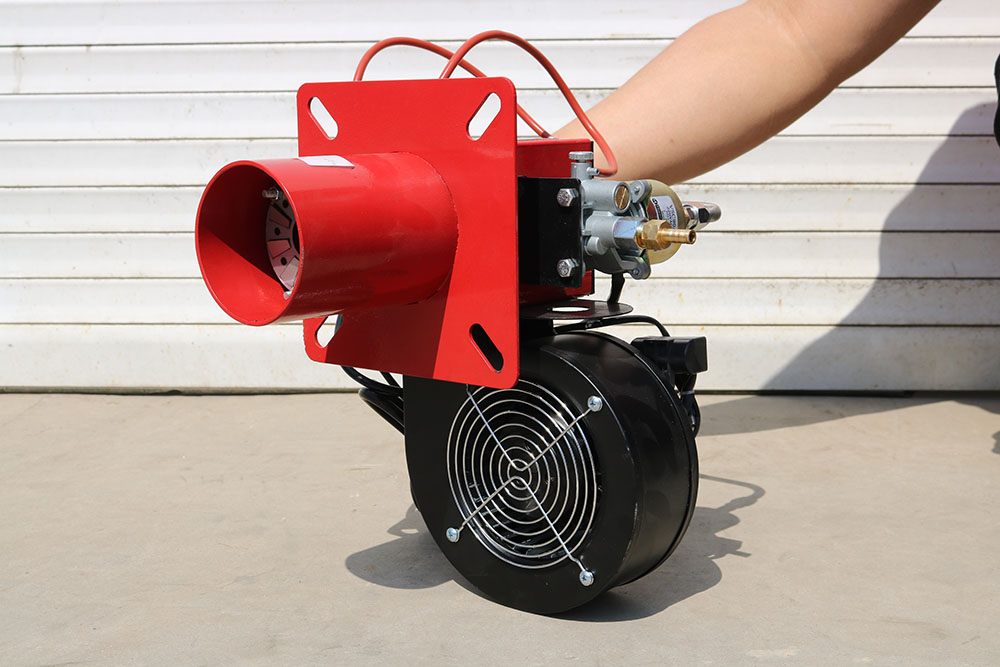
The burner is the component responsible for mixing fuel with air to produce combustion within the boiler. This process directly impacts the overall efficiency, as the effectiveness of the combustion process determines how much of the fuel’s energy is converted into usable heat. When burners are dirty or clogged, it disrupts the air-to-fuel ratio, resulting in incomplete combustion. This not only reduces the amount of heat generated but also leads to an increase in harmful emissions. Over time, carbon deposits, soot, and other contaminants build up on the burner surfaces, further hindering performance. Regular burner cleaning ensures that the combustion process remains as efficient as possible, reducing fuel waste and minimizing harmful emissions. Check out here to know more.
Heat Exchangers: The Backbone of Heat Transfer
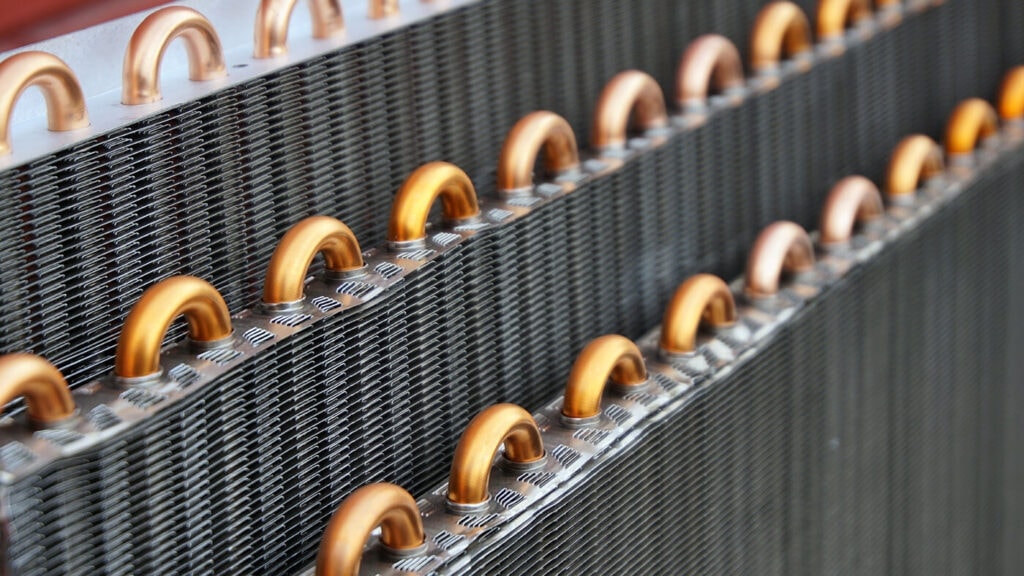
Heat exchangers are responsible for transferring heat from the hot gases produced by the burner to the water or other medium inside the boiler. The efficiency of this heat transfer process is vital for ensuring that the boiler operates at peak performance. However, over time, heat exchangers can accumulate soot, scale, and other debris that obstructs the flow of heat. This accumulation significantly reduces the surface area available for heat transfer, making the boiler work harder to achieve the desired temperatures. As a result, more energy is required to produce the same amount of heat, increasing fuel consumption and operating costs. By regularly cleaning heat exchangers, the flow of heat is restored, and energy efficiency is maximized.
Preventing Costly Downtime and Repairs
Neglecting the cleaning and maintenance of burners and heat exchangers can lead to significant long-term issues. As the system becomes less efficient, it works harder to produce the same output, causing increased wear and tear on components. This heightened stress can lead to more frequent breakdowns, costly repairs, or even complete system failure. Preventing these issues with regular maintenance helps to avoid unplanned downtime and the associated costs of emergency repairs. Moreover, keeping the system in optimal working condition prolongs its operational life, allowing businesses to extract maximum value from their investment.
Environmental Impact and Compliance
In today’s increasingly eco-conscious world, maintaining boiler efficiency is also about reducing your environmental footprint. Boilers that run inefficiently tend to emit higher levels of pollutants, such as carbon monoxide, nitrogen oxides, and particulate matter. These emissions contribute to air pollution and can lead to non-compliance with environmental regulations. By cleaning burners and heat exchangers, the combustion process becomes more efficient, resulting in cleaner emissions. This not only helps businesses meet regulatory requirements but also aligns with broader sustainability goals.

Improved Fuel Economy
Fuel costs are one of the largest operating expenses associated with running a boiler. A system that operates inefficiently due to dirty burners or heat exchangers requires more fuel to achieve the desired output. Over time, these increased fuel costs can add up to a significant financial burden. By investing in regular cleaning, businesses can maintain optimal fuel efficiency, which reduces consumption and cuts down on operating expenses. In some cases, the savings generated from improved efficiency can pay for the cost of the cleaning process itself, making it a smart financial decision in the long run.
Conclusion: A Small Effort for Big Gains
Cleaning burners and heat exchangers may seem like a small maintenance task, but its impact on boiler efficiency cannot be overstated. By ensuring that these critical components remain free of dirt, soot, and other debris, businesses can significantly enhance the performance, lifespan, and environmental impact of their boiler systems. The benefits include lower fuel consumption, reduced emissions, fewer repairs, and ultimately, lower operational costs. For businesses that rely on boilers for heating and power, regular cleaning is a wise investment that delivers long-term returns.