In the realm of organizational leadership, much emphasis has traditionally been placed on cognitive abilities, strategic thinking, and technical skills. However, in recent years, a growing body of research has highlighted the critical importance of emotional intelligence (EI) in effective leadership. As workplaces evolve to become more diverse, complex, and interconnected, leaders who possess high levels of emotional intelligence are better equipped to navigate the intricacies of human interactions, foster positive organizational cultures, and drive sustainable success. In this blog post, we delve into the significance of emotional intelligence in organizational leadership and explore how it contributes to personal and professional effectiveness.
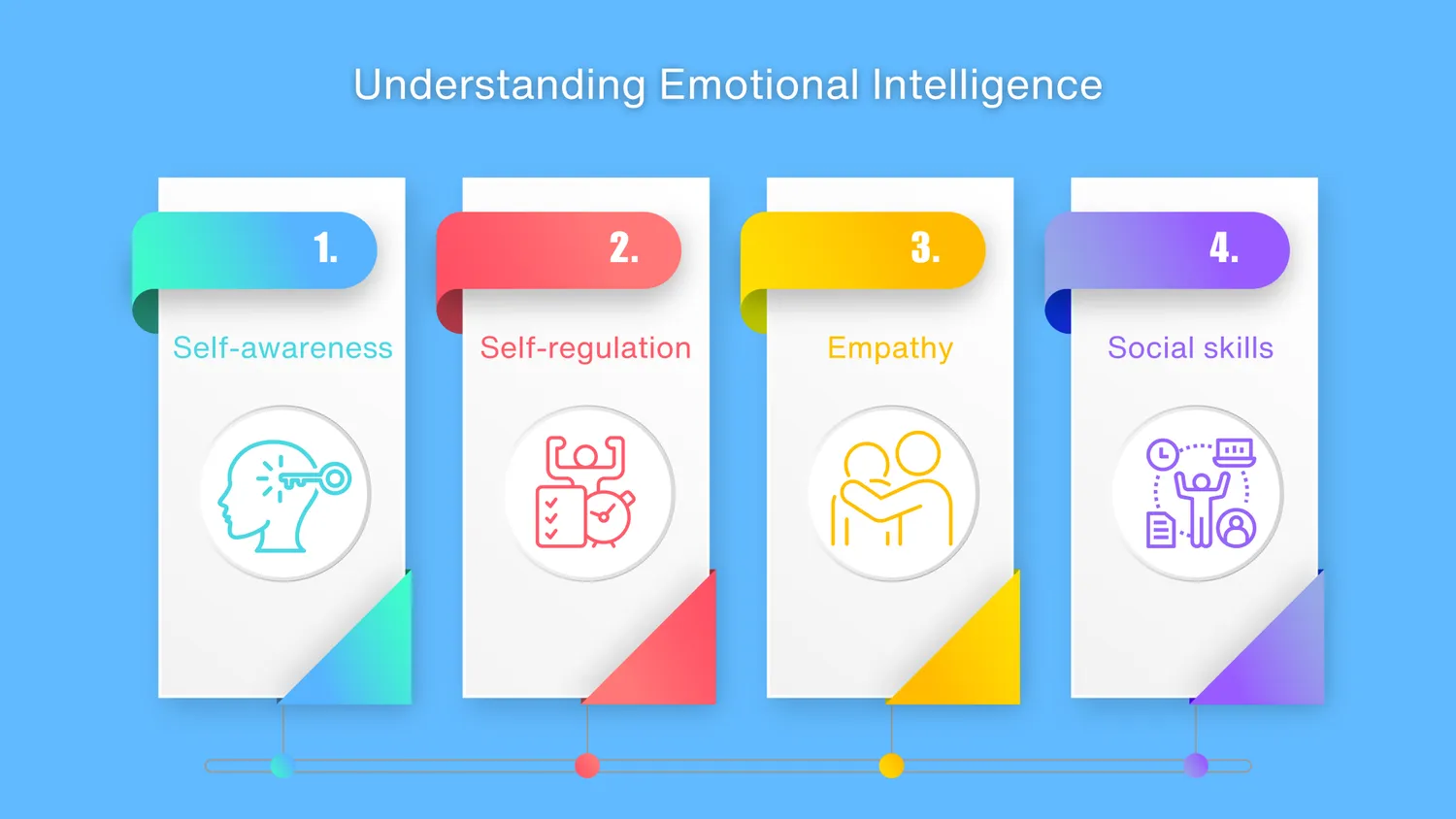
Understanding Emotional Intelligence
Emotional intelligence, as coined by psychologists Peter Salovey and John Mayer and popularized by author Daniel Goleman, refers to the ability to recognize, understand, manage, and utilize one's own emotions as well as those of others. It encompasses several key components:
- Self-awareness: The ability to recognize one's own emotions, strengths, weaknesses, values, and impact on others.
- Self-regulation: The capacity to manage and regulate one's emotions, impulses, and reactions effectively.
- Empathy: The skill of understanding and sensing the emotions, needs, and perspectives of others.
- Social skills: Proficiency in building rapport, communicating effectively, resolving conflicts, and collaborating with others.
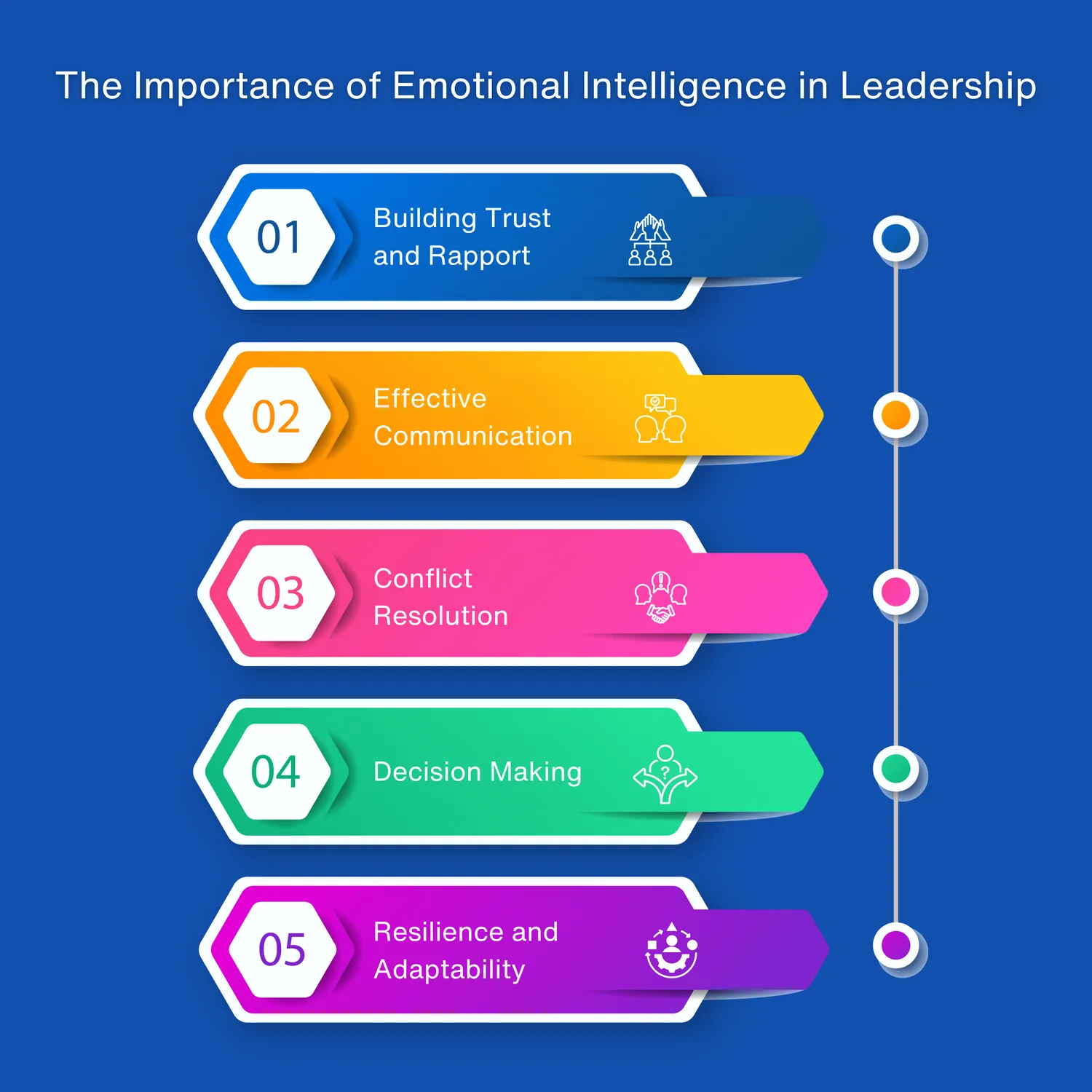
The Importance of Emotional Intelligence in Leadership
Leadership is fundamentally a social endeavor, involving interactions with individuals and groups to achieve common goals. Emotional intelligence plays a pivotal role in enhancing leadership effectiveness in the following ways:
- Building Trust and Rapport: Leaders with high emotional intelligence are adept at establishing trust and rapport with their team members. By demonstrating authenticity, empathy, and understanding, they create an environment where individuals feel valued, respected, and motivated to contribute their best.
- Effective Communication: Clear and empathetic communication is essential for conveying vision, goals, expectations, and feedback. Emotionally intelligent leaders are skilled communicators who can tailor their messages to resonate with diverse audiences, listen actively, and foster open dialogue within the organization.
- Conflict Resolution: Conflicts are inevitable in any workplace, but how leaders manage them can make a significant difference in organizational dynamics. Leaders with strong emotional intelligence can navigate conflicts constructively, mediate disagreements, and find win-win solutions that promote harmony and collaboration.
- Decision Making: Emotional intelligence informs rational decision making by integrating emotional insights with logical analysis. Leaders who are attuned to their emotions and intuition can make more informed and balanced decisions, considering the broader impact on individuals and the organization as a whole.
- Resilience and Adaptability: In today's volatile, uncertain, complex, and ambiguous (VUCA) world, resilience and adaptability are crucial leadership qualities. Emotionally intelligent leaders are better equipped to cope with stress, setbacks, and change, inspiring resilience in their teams and fostering a culture of continuous learning and innovation.
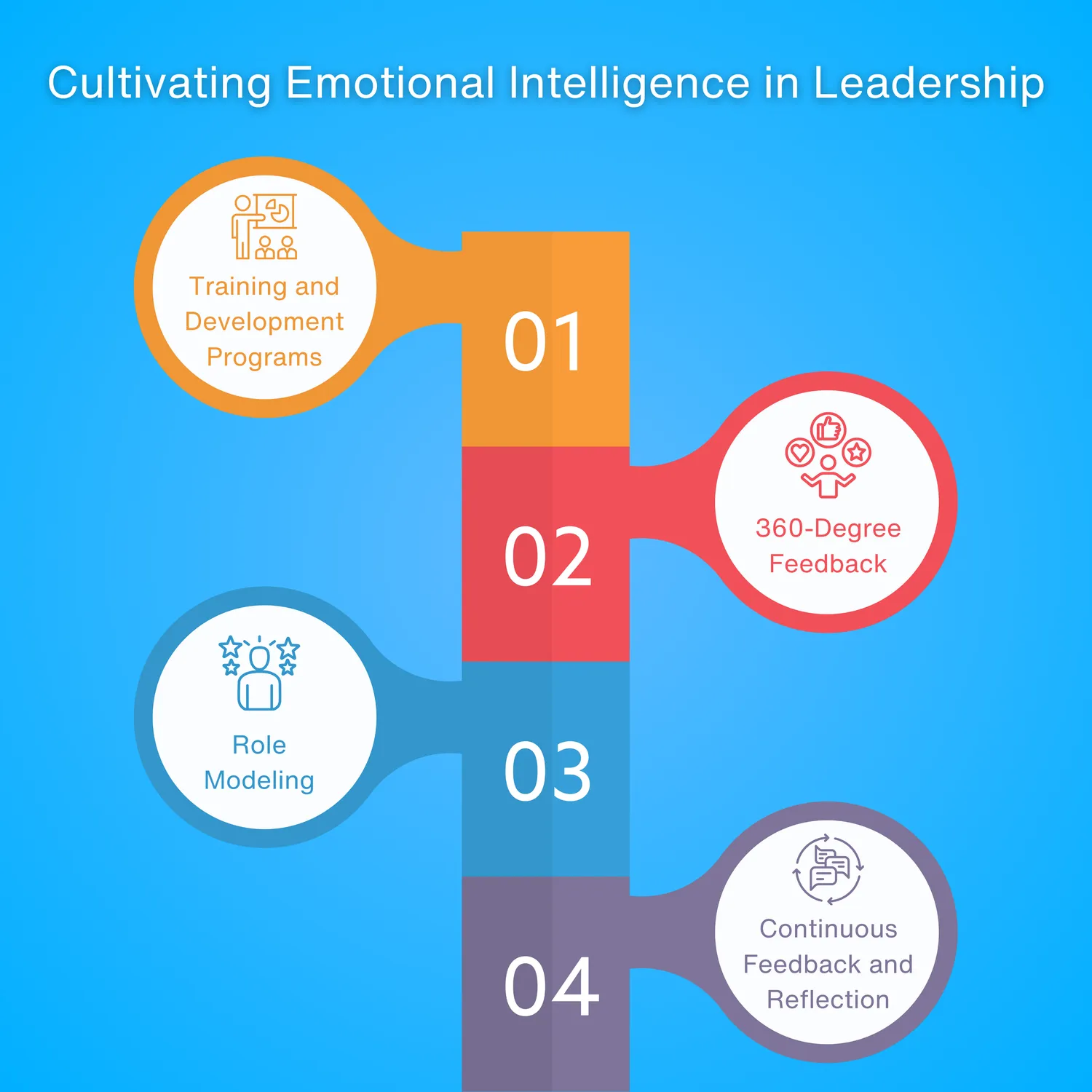
Cultivating Emotional Intelligence in Leadership
While some individuals may naturally possess higher levels of emotional intelligence, it is a skill that can be developed and refined over time. Organizations can foster the growth of emotional intelligence in their leaders through various strategies, including:
- Training and Development Programs: Offer workshops, seminars, and coaching sessions focused on enhancing self-awareness, self-regulation, empathy, and interpersonal skills.
- 360-Degree Feedback: Provide opportunities for leaders to receive feedback from peers, subordinates, and superiors to gain insights into their strengths and areas for improvement.
- Role Modeling: Encourage leaders at all levels to exemplify emotional intelligence in their behavior and decision making, serving as role models for others to emulate.
- Continuous Feedback and Reflection: Foster a culture of open feedback and self-reflection where leaders regularly evaluate their emotions, actions, and impact on others, seeking opportunities for growth and development.
Conclusion
In conclusion, emotional intelligence is not just a desirable trait in organizational leadership but a critical predictor of success in today's dynamic and interconnected world. Leaders who possess high emotional intelligence are better equipped to navigate complex challenges, inspire trust and collaboration, and cultivate thriving organizational cultures. By prioritizing the development of emotional intelligence in their leaders, organizations can foster a more inclusive, resilient, and high-performing workforce, poised for sustained success in the long term.
Visit us on TrackHR