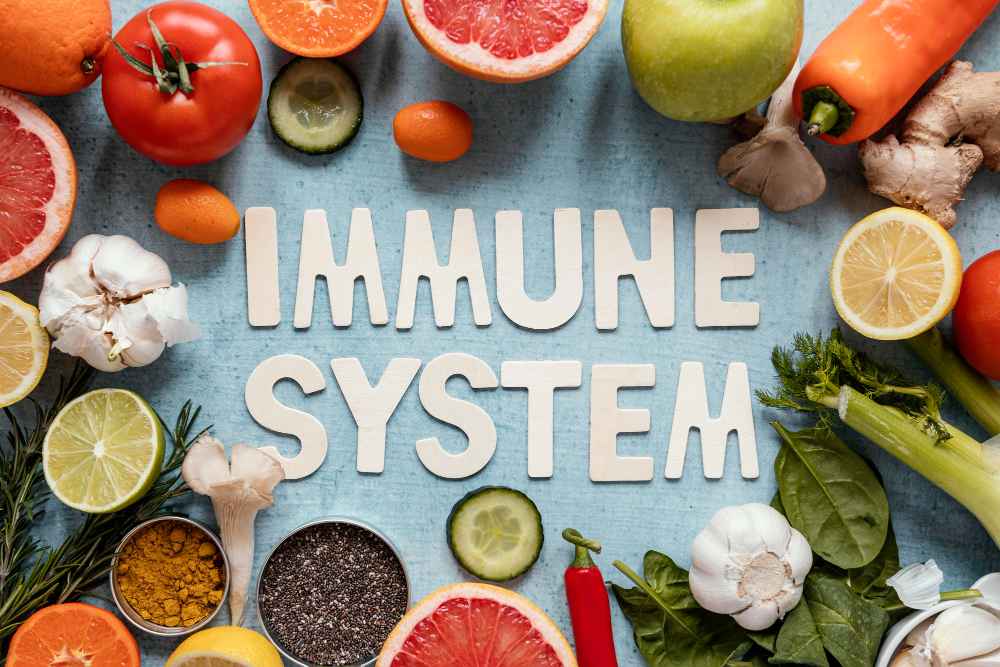
The global pandemic brought attention to the need for a strong immune system, with numerous individuals turning to immune-boosting supplements to boost their defences. In this article, let us explore the science behind these supplements and the mechanisms underlying their effects, emphasizing the importance of a healthy diet, regular exercise, and appropriate sleep.
The science behind various immune-boosting supplements:
Vitamin C
It is commonly known as ascorbic acid, which helps the immune system by functioning as an antioxidant. It neutralizes free radicals, reactive chemicals produced by the body, and harmful substances like tocopheryl pollution and ultraviolet light. These free radicals can harm cells and induce inflammation, affecting the immune system's function. Vitamin C protects immune cells from oxidative stress and improves their ability to fight infection.
Also, vitamin C is crucial for the immune system, supporting the production and function of white blood cells like neutrophils, lymphocytes, and phagocytes. It also aids collagen synthesis, a structural protein essential for skin and mucous membranes. It also helps produce antibodies and cytokines, which regulate immune responses. It
Vitamin D
Its active form, calcitriol, regulates gene expression and promotes the production of antimicrobial peptides, helping defend against pathogens like bacteria and viruses. Vitamin D also influences immune cell activity, influencing differentiation, proliferation, and cytokine production. This balance helps prevent inflammation and ensures effective infection defence.
Zinc
Zinc is a vital trace element in immune function, playing a crucial role in developing and functioning immune cells like neutrophils and natural killer cells. It also acts as an essential component for enzymes involved in DNA production necessary for immune cell replication. Zinc also contributes to producing antibodies, proteins that target and neutralize pathogens like bacteria and viruses. Its antiviral properties prevent certain viruses from replicating within host cells.
Moreover, zinc is crucial for maintaining mucous membrane integrity and regulating the inflammatory response, which can harm the immune system. Its shortage can affect the immune system; hence, supplementation is necessary in cases where dietary intake is inadequate.
Probiotics
Probiotics are beneficial bacteria, primarily from the Lactobacillus and Bifidobacterium genera, that provide health benefits when consumed in adequate amounts. They maintain a balanced gut microbiota, which interacts with the immune system. Probiotics help modulate the immune response by influencing immune cell activity and promoting anti-inflammatory cytokines. They also help maintain the intestinal barrier, preventing harmful pathogen entry and reducing infection risk.
It also plays an important role in supporting overall immune function by enhancing the production of immunoglobulins, antibodies that aid in immune defence against infections. Some probiotic strains also stimulate macrophages and natural killer cells, essential innate resistant system components.
Echinacea
Echinacea, a flowering plant of the daisy family, is used to improve the immune system as it contains its active components, alkamides, polysaccharides, and glycoproteins.
- Alkamides, like echinacein and echinacoside, have anti-inflammatory properties and stimulate the immune system.
- Polysaccharides activate immune cells and increase the production of immune mediators like interleukins and interferons.
- Glycoproteins may also increase the number and activity of white blood cells, essential for the body's defence against infections.
Moreover, Echinacea boosts the immune system by enhancing innate and adaptive immune responses. Innate immunity is an immediate, nonspecific defence mechanism against pathogens, while adaptive immunity is targeted and specific over time. Echinacea stimulates immune cell production and activity, contributing to a robust defence. Research on their efficiency is ongoing, but some studies suggest it could reduce the extent of colds and respiratory infections. However, individual responses to Echinacea can vary, and more research is needed to understand its mechanisms and benefits fully.
Garlic
Garlic, also known as Allium sativum, has been used for centuries for its medicinal properties, including its potential to boost the immune system. Allicin and its derivatives, formed when garlic is crushed or chopped, exhibit antimicrobial and anti-inflammatory properties. They stimulate immune cell activity, such as macrophages and lymphocytes. Garlic also contains sulphur compounds like ajoene and antioxidants, contributing to its overall immune-supportive properties.
While research on its immune-boosting effects is ongoing, garlic's potential to enhance immune function makes it a popular choice in traditional medicine and dietary supplements for individuals seeking natural ways to support their immune system.
In conclusion, Immune-boosting supplements can support the immune system, but they should be used as part of a healthy lifestyle, not as a substitute for proper nutrition and hygiene. The science behind these supplements reveals a complex interplay of nutrients and compounds. So, it's important to consider a personalized approach, considering individual health status and dietary habits, which is crucial for maximizing the benefits of immune-boosting supplements.